Category: Puppy Care

  • How To Socialize A Puppy Before Vaccinations For Well-Being?

    How To Socialize A Puppy Before Vaccinations For Well-Being?

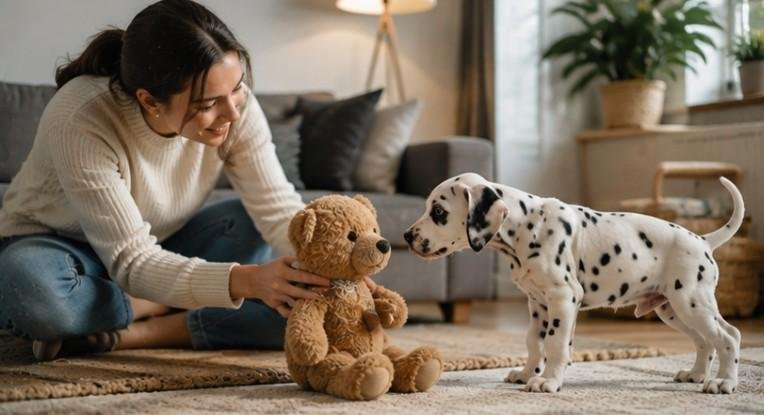
    Bringing home a puppy is exciting, messy, and full of questions. One of the biggest is how to socialize a puppy before vaccinations without exposing them to unnecessary health risks. The good news is that socialization does not require crowded parks or contact with unknown dogs. It begins with calm, controlled experiences that help your puppy understand everyday life.

    Early socialization teaches a puppy how to respond to people, animals, sounds, surfaces, handling, travel, and unfamiliar places. The goal is not to make your puppy greet everyone. It is to build curiosity, confidence, and the ability to recover calmly when something feels new.

    Early Socialization Matters

    Learning how to socialize a puppy before vaccinations matters because puppies are tiny explorers with almost no life experience. A vacuum can sound like a monster, a person in a hat can look suspicious, and a shiny floor can feel like an ice rink. Gentle exposure teaches them that ordinary life is not a daily surprise party.

    Puppies pass through an important developmental period during their first months. Positive experiences at this stage may reduce fear, nervousness, and overreaction later. The safest approach balances behavioral learning with disease prevention, guided by your veterinarian and local infection risks.

    Safe Outings And Public Exposure

    Public exposure can begin before full vaccination, but your puppy should experience the world without walking through areas used by unknown dogs.

    Carry Your Puppy Outdoors

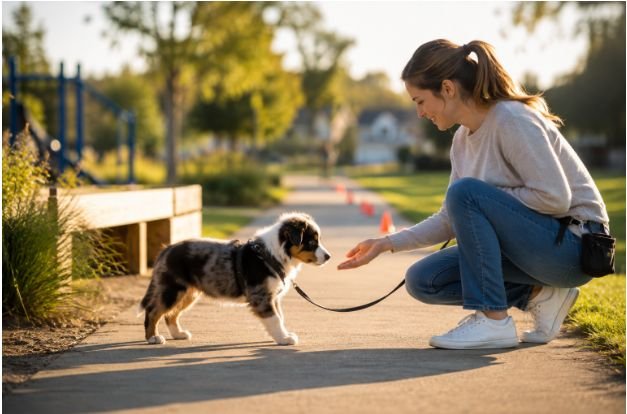
    Use your arms, a secure sling, stroller, or clean wagon so your puppy can see traffic, bicycles, umbrellas, shopping carts, and different people. Keep their paws off public ground and reward relaxed watching with small treats or gentle praise.

    Choose quiet locations first. Five minutes outside a café, school, shop, or park may be enough. Leave before your puppy becomes tired or frightened. Short successful outings are more useful than long, overwhelming adventures. Make sure puppy is of the age to go outside.

    Create Clean Observation Spots

    A clean bench, private patio, or freshly washed blanket can provide a safe observation point if your veterinarian approves. Keep your puppy on the protected surface and avoid places where dogs frequently toilet, gather, or share bowls.

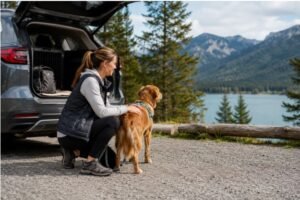
    Take Positive Car Rides

    Short journeys help puppies become comfortable with travel before veterinary visits, grooming appointments, or family trips. Begin with brief drives and pair them with calm praise, a safe chew, or a few treats.

    Controlled Animal And Human Interaction

    Carefully selected introductions teach social skills without placing your puppy in uncontrolled environments.

    Controlled Animal And Human Interaction

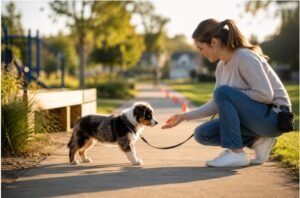
    Meet Known Healthy Dogs

    Invite one calm, fully vaccinated dog from a trusted household into your clean home or private yard. Confirm that the dog appears healthy and has not recently visited high-risk places such as dog parks or daycare centers.

    Choose A Safe Puppy Class

    A well-managed puppy class can combine socialization, basic puppy training cues, and professional support. Choose one that checks vaccination records, excludes sick puppies, disinfects the floor, controls play, and uses reward-based methods.

    Ask whether puppies are grouped by size, confidence, and play style. Your veterinarian should approve attendance based on your puppy’s age, health, vaccination progress, and local disease risk. The American Veterinary Society of Animal Behavior supports carefully managed early socialization.

    Invite Different People Home

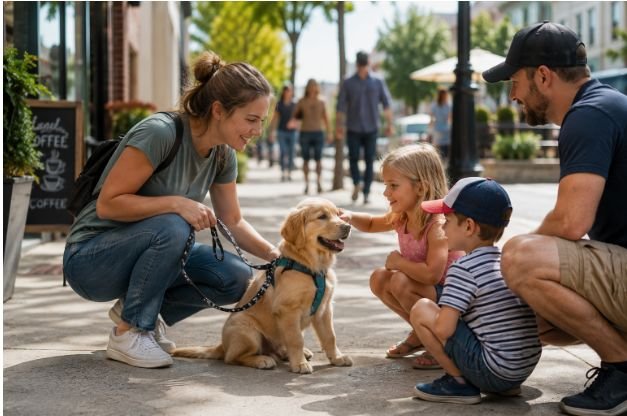
    Ask trusted friends and relatives of different ages, heights, voices, and appearances to visit. Hats, glasses, coats, walking sticks, and backpacks create useful variety without requiring a risky public trip.

    Home Acclimation And Handling

    Your home provides many safe opportunities to prepare a puppy for daily life, grooming, veterinary care, and future adventures.

    Home Acclimation And Handling

    Introduce Household Sounds

    Gradually expose your puppy to the vacuum, blender, hair dryer, doorbell, television, washing machine, and kitchen noises. Start from another room or at a low volume, then pair the sound with food, play, or calm attention.

    Practice Gentle Handling

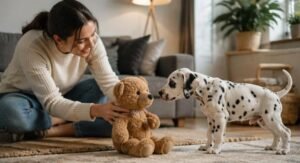
    Briefly touch your puppy’s paws, ears, tail, mouth, collar, and body each day. Reward calm behavior and stop before discomfort develops. These short exercises prepare puppies for nail trims, tooth brushing, grooming, and veterinary examinations.

    Explore Indoor Surfaces

    Let your puppy walk over tile, carpet, wood, rubber mats, cardboard, towels, and other clean surfaces. Different textures improve body awareness and make unfamiliar buildings less intimidating later. 

    Follow A Simple Socialization Routine

    A repeatable routine makes how to socialize a puppy before vaccinations safer, easier, and less stressful for everyone. Keep a diary of new experiences, reactions, and improvements so you can adjust each future session with care.

    Pick One New Experience

    Choose one person, sound, surface, object, animal, or environment for each session. Keep the first exposure easy and prepare tiny treats before beginning.

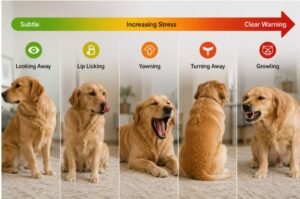
    Watch body language carefully. A relaxed puppy may sniff, explore, eat, and return attention to you. A worried puppy may freeze, crouch, tremble, hide, bark, refuse food, or try to escape.

    Pair It With Something Positive

    Offer food, gentle play, praise, or extra distance as soon as your puppy notices the experience. They should be free to watch, approach, or move away. Calm observation counts as successful socialization.

    Stop Before Stress Builds

    Finish after a few positive repetitions. Young puppies tire quickly and breath heavy, and fatigue can cause biting, barking, hiding, zooming, or difficulty learning. Stopping early helps preserve a pleasant memory.

    Places To Avoid

    Some environments carry greater risk because many dogs use them and their health histories are unknown.

    Skip High-Traffic Dog Areas

    Avoid dog parks, pet-store floors, daycare facilities, communal apartment toilet areas, shared bowls, busy rest stops, and heavily used dog-walking routes. These places may contain contaminated soil, waste, or surfaces.

    Avoid Forced Contact

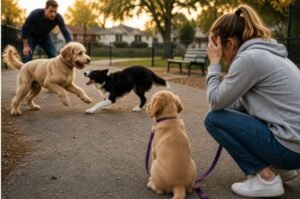
    Do not let strangers pass your puppy around, allow unknown dogs to rush them, or place them in crowded situations. More exposure is not always better. The emotional quality of each experience matters most.

    Frequently Asked Questions

    1. What Is The 7 7 7 Rule For Puppies?

    The 7 7 7 rule is a flexible checklist encouraging puppies to experience seven examples from categories such as people, surfaces, places, challenges, containers, eating locations, and play activities.

    2. Is 12 Weeks Too Late To Socialize A Puppy?

    No, twelve weeks is not too late. Begin gentle exposure promptly, move at your puppy’s pace, and seek professional support if intense fear, avoidance, or slow recovery appears.

    3. What Do Vets Recommend For Puppy Socialization?

    Veterinarians generally recommend controlled positive exposure while avoiding high-risk environments. Ask your veterinarian how to socialize a puppy before vaccinations based on health, vaccine progress, and local disease levels.

    4. What Not To Do With A Puppy Before Vaccinations?

    Avoid dog parks, unknown dogs, shared bowls, contaminated ground, pet-store floors, communal toilet areas, overwhelming crowds, forced greetings, and any location your veterinarian considers unsafe.

    Tiny Adventures Build Brave Dogs

    Understanding how to socialize a puppy before vaccinations means choosing thoughtful exposure instead of complete isolation or risky freedom. Carry your puppy in public, arrange safe playdates, consider trusted classes, introduce home experiences, and respect stress signals. With patient practice and veterinary guidance, small daily adventures can help your puppy become confident, adaptable, and ready for a bigger world.

  • The Truth: When Can Puppies Eat Dry Food Only Revealed

    The Truth: When Can Puppies Eat Dry Food Only Revealed

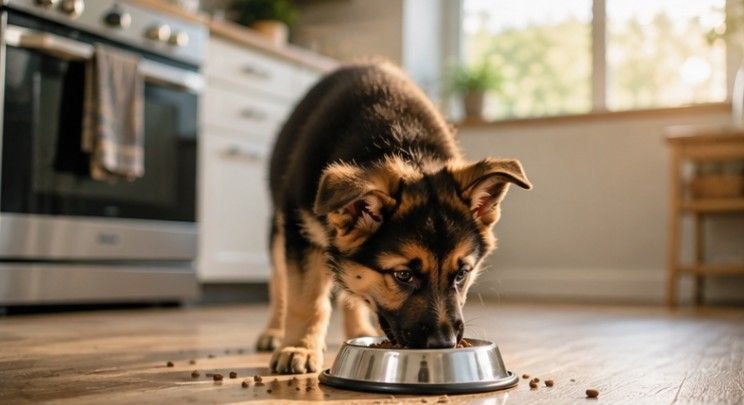
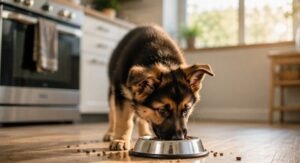
    Raising a brand new fur baby comes with endless tail wags, a few sleepless nights, and plenty of questions about their tiny tummies. Getting your young canine used to solid meals is one of the biggest milestones you will cross together. Learning when can puppies eat dry food only helps you feed your growing pet with total confidence.

    Key Takeaways

    • Puppies safely transition to dry kibble alone between 8 and 10 weeks old.
    • Weaning begins around 4 weeks using a soft kibble-and-water gruel.
    • Adjust kibble crunchiness based on your pup’s breed size and jaw strength.
    • Gradually transition over several weeks to protect delicate young stomachs.
    • Hydration and weight checks ensure your growing pup thrives on dry food.

    See When Can Puppies Eat Dry Food Only Risks! 

    Unlocking the crunch zone is an exciting milestone in your pet parenting journey! Getting the timing right keeps mealtime fun, prevents messy food splatters, and protects your fur baby from unexpected belly aches. Plus, watching your little swimmer conquer their very first bowl of solid kibble is pure magic.

    The Complete Feeding Timeline

    Understanding your pet’s development schedule makes it much easier to time their meal changes correctly.

    The Complete Feeding Timeline

    The Four Week Milestone

    At four weeks old, young pups begin taking their very first steps toward independent eating. You should introduce dry kibble mixed thoroughly with warm water or canine milk replacer to form a soft, lap-able mush called gruel.

    Progress From Five to Seven Weeks

    During weeks five through seven, your young canine develops baby teeth that allow them to process thicker textures. You can gradually reduce the amount of added liquid so the mixture shifts from a liquid porridge to a chunkier, semi-solid meal.

    The Eight Week Standard

    By eight weeks of age, most young dogs are fully weaned from their mothers and can handle solid meals. At this stage, they are ready to eat dry kibble with very little or no warm water added to their dish.

    The Eight to Ten Week Independence

    Between eight and ten weeks, almost all small and large breed dogs can comfortably handle completely dry, unmoistened kibble. Smaller breeds with tiny jaws may need their meals softened for just a few extra days until their teeth strengthen.

    Crucial Feeding Rules for Growing Pups

    Following established nutritional protocols keeps your young pet energetic and healthy throughout their growth period.

    Prioritize Specially Formulated Puppy Food

    Always select food labels specifically designed for young growing dogs rather than adult dogs. Growth formulas contain higher calorie counts, essential proteins, and elevated calcium levels required to support rapid muscle, bone, and brain development.

    Go Slow With Texture Adjustments

    Decreasing liquid ratios gradually over several weeks prevents digestive shock and loose stools. A gentle, incremental shift gives your dog’s intestinal enzyme systems adequate time to adapt to solid protein and carbohydrate digestion.

    Maintain Hydration and Safety Practices

    Always keep a fresh, clean bowl of drinking water right beside your dog’s feeding area. Eating dry kibble requires higher moisture intake, so monitoring water levels prevents dehydration and supports smooth swallowing.

    Size Considerations: Toy vs. Large Breeds

    Genetics and breed size play a huge role in how quickly your dog adjusts to hard food.

    Size Considerations Toy vs. Large Breeds

    Toy and Small Breed Adjustments

    Teacup and toy breeds possess delicate jaws and smaller teeth that take extra time to chew hard foods. They require tiny kibble morsels and may benefit from a longer, more gradual softening period to avoid mouth fatigue.

    Medium to Large Breed Needs

    Large breed dogs develop strong jaw power rapidly, allowing them to crush standard kibble easily by eight weeks. However, their meals must contain balanced mineral levels to encourage controlled, safe bone and joint development.

    How to Handle Transition Challenges

    Even with a perfect schedule, young dogs sometimes encounter small hiccups during their weaning phase.

    How to Handle Transition Challenges

    Resolving Food Refusal

    If your dog turns away from dry food, never force them or skip meals entirely. Try moistening the food with warm, sodium-free bone broth to release appealing aromas, or add a spoonful of wet food topper to encourage interest.

    Managing Stomach Upset

    Mild digestive changes can occur whenever you alter food density or ingredient ratios. If loose stools develop, pause liquid reductions for two days, and consult your veterinarian if stomach distress lasts longer than twenty-four hours.

    Preventing Rapid Ingestion

    Pups often get overly enthusiastic when eating new textures and may swallow pieces without chewing. Using slow-feeder dishes or scattering kibble across a flat tray helps pace their eating speed safely.

    Frequently Asked Questions

    1. When can puppies eat dry food only?

    Puppies can safely eat dry food only without any added water or liquid between eight and ten weeks of age, once their baby teeth are fully developed and weaning is complete.

    2. When should you stop feeding a puppy dry puppy food?

    You should stop feeding dry puppy food when your dog reaches full physical maturity, typically around twelve months for small breeds and eighteen to twenty-four months for giant breeds, before transitioning to adult kibble.

    3. Can 5 week old puppies go all night without eating?

    No, five-week-old puppies cannot go all night without eating. Their delicate body systems require regular feedings every four to six hours to maintain steady blood sugar levels throughout the day and night.

    4. When can puppies stop wet food?

    Puppies can stop eating wet food entirely around eight weeks of age, provided they chew dry kibble comfortably and drink plenty of fresh water from their bowl independently.

    5. Can I feed my puppy dry food only?

    Yes, you can feed your puppy dry food only once they reach eight to ten weeks old, provided the kibble is a complete, balanced formula designed specifically for growing dogs.

    Tail-Wagging Success: Crunch Time Ahead!

    Navigating mealtime changes is one of the most rewarding parts of raising a healthy, energetic dog and stop puppy’s biting. Knowing when can puppies eat dry food only allows you to guide their transition smoothly from soft gruel to crunchy kibble. Stay patient, keep fresh water handy, and enjoy watching your happy pet thrive at every single meal!

  • Check Now: What Age Can Puppies Go Outside Safely? Vet Tips

    Check Now: What Age Can Puppies Go Outside Safely? Vet Tips

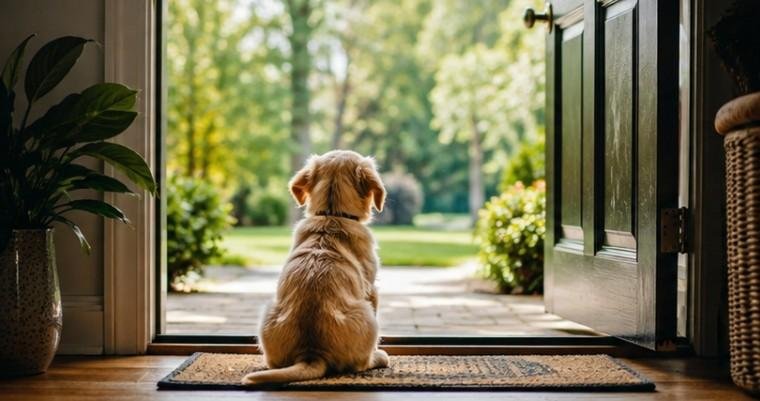
    Bringing home a new furry family member brings immense joy, but pet parents often wonder what age can puppies go outside safely. Balancing essential potty training against outdoor germs requires a simple, effective plan for every pet owner.

    Your new companion needs fresh air and fun experiences to grow up confident and happy. Knowing when your pup can touch the grass protects them from serious illnesses while helping them explore the world.

    Key Takeaways

    • Public outdoor areas require waiting until 18 to 22 weeks of age after full vaccination.
    • Private backyards are safe as early as 8 weeks old for quick potty training.
    • Early socialization works best by carrying young pups in slings or strollers.
    • Booster shots like DAPP require a two-week waiting period post-final dose.
    • Preventative care keeps young companions safe from outdoor hazards and parasites.

    Knowing When Can Puppies Go Outside Safely?

    Unlocking the secret of what age can puppies go outside safely keeps your dynamic little explorer healthy while they discover exciting outdoor sights and smells.

    Proper timing protects your fur-baby from invisible playground party-poopers like Parvovirus while allowing them to sniff out great neighborhood fun. Mastering this timeline lets you plan safe outdoor play dates, conquer potty training like a pro, and build wonderful memories together without any worries.

    Protecting Vulnerable Immune Systems

    Young puppies rely on temporary antibodies from their mother during their first few weeks of life. As these natural antibodies fade, your pup requires a series of core vaccinations to build their own immunity against dangerous canine diseases.

    Exposing an unvaccinated puppy to public areas puts them at risk of catching contagious viruses. Waiting for proper vaccine coverage ensures your dog stays healthy while enjoying outdoor activities.

    Building Early Behavioral Confidence

    Early experiences shape how your dog reacts to new environments as they mature. Socialization helps prevent fearfulness, barking, and anxiety around strange sounds, people, and other animals.

    Safely introducing your puppy to outdoor sights during their early months builds long-term confidence. Finding the right balance between health protection and social exposure sets your pet up for success.

    Vaccine Timelines and Core Immunity Milestones

    Medical guidelines determine when your puppy can safely transition from indoor play to public outdoor adventures.

    Veterinarians give core vaccines like DAPP in multiple rounds spaced several weeks apart. Each booster strengthens your puppy’s immune system until their final round is complete.

    Vaccine Timelines and Core Immunity Milestones

    Understanding Core Puppy Vaccines

    Core vaccines protect against severe illnesses including Distemper, Parvovirus, Adenovirus, and Parainfluenza. These diseases spread easily through direct contact or contaminated soil in public spaces.

    Puppies receive their first shots around 6 to 8 weeks of age, followed by boosters every three to four weeks. Staying on schedule with your veterinarian ensures complete coverage.

    The Final Booster Waiting Period

    Puppies can safely walk in public outdoor areas 18 to 22 weeks of age, which is two weeks after they finish their final round of core puppy shots. This critical two-week window allows the immune system to build complete protection.

    Walking on public grass before this milestone leaves your puppy unprotected against persistent environmental pathogens. Patience during this short waiting period guarantees lifetime health benefits.

    Private Backyards vs Public Spaces Safety Guide

    Knowing where your puppy can step helps you manage daily routines while keeping risk factors low.

    Different locations carry vastly different disease risks depending on which animals frequent the area. Tailoring your outings based on location ensures steady progress in training.

    Navigating Private Backyards

    However, they can go into a private, clean backyard as early as 8 weeks old for potty training if other unknown dogs cannot get in. Private yards offer a controlled environment free from unknown animal histories.

    Supervise your puppy during backyard visits to ensure they do not consume soil, mushrooms, or wild animal waste. Keep play sessions short and focused on positive rewards.

    Navigating Public Walks and Parks

    Navigating Public Walks and Parks

    Public parks, sidewalks, and pet stores host hundreds of visiting dogs every week. These high-traffic zones present significant disease risks for young pets without full vaccine coverage.

    Avoid placing your puppy on public ground until two weeks post-final boosters. Stick to private spaces for early leash practice and exercise.

    Safe Early Socialization Hacks for Young Puppies

    Exposing your puppy to new sights does not require putting their paws on public ground. Creative transport solutions allow young pups to observe the world without coming into contact with dangerous germs. Early exposure helps your pet feel comfortable around everyday noises.

    Carrying Your Puppy Outdoors

    You can take a young puppy out in a sling, stroller, or your arms to see the world safely before their shots finish. Carrying your pet lets them hear traffic, see strangers, and smell fresh air safely.

    Visit bustling neighborhood spots while holding your puppy securely in your lap or carrier. This simple habit builds curiosity without exposure to ground pathogens.

    Hosting Controlled Visits and Playdates

    Playdates are fine only with healthy, fully vaccinated adult dogs in clean, private areas. Friendly adult dogs teach puppies proper social manners and gentle puppy biting boundaries.

    Ensure all participating pets are fully up to date on their shots before scheduling a meeting. Use a private living room or enclosed yard for these safe play sessions.

    How to Safely Transition Your Puppy Outdoors

    Following a clear step-by-step approach ensures your puppy enjoys smooth outdoor adventures as they grow.

    How to Safely Transition Your Puppy Outdoors

    Introducing your pet to the outdoors gradually prevents sensory overload and keeps training sessions fun. Simple preparation turns everyday walks into wonderful bonding moments.

    First, fit your puppy with a light harness inside your home so they adjust to the feeling. Let them walk around the living room while dragging a short leash under your direct supervision.

    Second, begin outdoor training in your private backyard using delicious treats to encourage focus. Reward your puppy whenever they pay attention to you despite outdoor distractions like chirping birds.

    Third, venture onto quiet public sidewalks once your veterinarian clears your puppy after their final booster. Keep initial public walks short, positive, and focused on confidence building.

    Frequently Asked Questions

    1. Can I take my 8 week old puppy on a walk outside?

    No, you should avoid public walks at 8 weeks because your puppy lacks full vaccine protection against serious diseases. Stick to your private backyard for short potty breaks and fresh air.

    2. What is the 7 7 7 rule for puppies?

    The 7-7-7 rule encourages introducing your puppy to 7 different surfaces, 7 new sounds, and 7 friendly people by 7 weeks of age to foster great confidence and social skills.

    3. Can I let my 8 week old puppy in my backyard?

    Yes, your 8-week-old puppy can explore a private, enclosed backyard if no unvaccinated or unknown animals access the lawn. Always supervise your puppy closely during outdoor backyard sessions.

    4. Can my 12 week old puppy go outside?

    Your 12-week-old puppy can spend time in private yards and be carried through public areas. However, keep their paws off public ground until two weeks after their final core vaccines.

    Paws, Play, and Beyond with Your Puppy

    Mastering what age can puppies go outside safely gives your growing fur-baby the perfect head start in life. Combining safe backyard potty practice with carried public outings builds incredible confidence without risking your pup’s physical health. Stay consistent with your veterinarian’s recommended vaccine schedule, enjoy every small milestone together, and look forward to a lifetime of happy outdoor adventures with your best friend!

  • When Do Puppies Start Sleeping Through Night? Full Age Guide

    When Do Puppies Start Sleeping Through Night? Full Age Guide

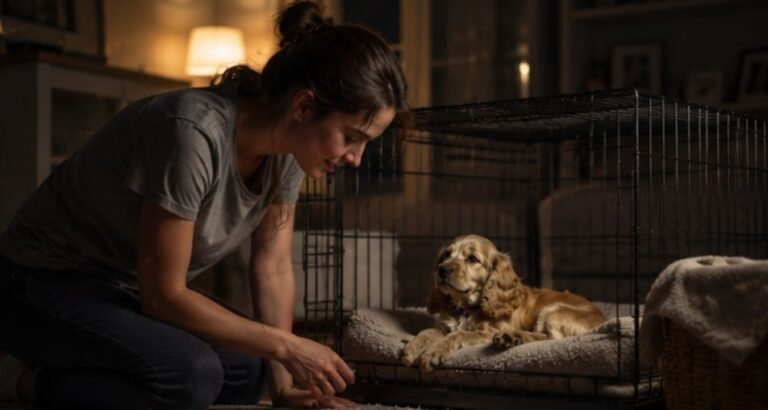
    Every new puppy owner asks the same tired question at 3 a.m.: when do puppies start sleeping through night without waking everyone up? The honest answer is that most puppies settle into full nighttime sleep by around 16 weeks of age, though the exact timing shifts between 10 and 16 weeks depending on bladder development and breed size. This guide breaks down exactly what to expect at each stage and what you can do to speed things along.

    Why This Question Actually Matters?

    Sleep deprivation is no joke, even when the reason behind it is unbearably cute. Knowing when do puppies start sleeping through night helps you set realistic expectations instead of panicking over every midnight whine. 

    It also stops you from blaming your training when the real culprit is simply an immature bladder that hasn’t caught up yet. A little patience paired with the right information turns a stressful phase into a manageable one.

    Age Milestones And Bladder Growth

    When wondering when puppies start sleeping through the night, it’s important to understand that urinary incontinence develops gradually rather than overnight. Every puppy grows at a slightly different pace, but most follow a predictable timeline. Knowing what to expect at each stage helps you plan nighttime potty breaks and avoid unrealistic expectations during house training.

    8 to 10 Weeks: Frequent Nighttime Potty Breaks

    At 8 to 10 weeks old, puppies can typically hold their bladder for only 3 to 4 hours. Because of this limited bladder capacity, one or even two overnight potty trips are completely normal. Waking up during the night at this age doesn’t mean your puppy is misbehaving or that your training isn’t working—it simply reflects their physical development.

    10 to 12 Weeks: Longer Sleep Stretches

    As puppies reach 10 to 12 weeks, bladder control begins to improve noticeably. Most can comfortably hold their urine for 4 to 5 hours, reducing the need for multiple nighttime wake-ups. Many owners find that a single scheduled potty break before dawn is enough to prevent accidents while helping their puppy build healthy sleeping habits.

    16 Weeks and Beyond: Sleeping Through the Night

    16 Weeks and Beyond: Sleeping Through the Night

    By 16 weeks (around 4 months) and older, most healthy puppies have developed enough bladder capacity to sleep 6 to 8 hours without needing a bathroom break. This aligns much more closely with a typical human sleep schedule, making uninterrupted nights far more realistic. 

    While individual breeds and puppies may progress slightly faster or slower, veterinarians and trainers generally consider the 16-week milestone the point when most puppies are physically capable of consistently sleeping through the night. Patience and a consistent bedtime routine during the earlier weeks help make this transition much smoother.

    Breed Size And Bladder Development

    Breed Size And Bladder Development

    Breed Size Influences Nighttime Bladder Control

    Not all puppies develop at the same pace, and breed size is one of the biggest factors affecting when they can sleep through the night. While every puppy is unique, larger and smaller breeds often reach this milestone on different timelines.

    Learning how to socialize a puppy before vaccinations early through safe, controlled experiences can also reduce nighttime stress, helping some puppies settle more confidently at bedtime.

    Large vs. Small Breeds

    Larger breeds, such as Labradors and Golden Retrievers, often develop bladder control slightly earlier because their muscles and internal organs mature more quickly relative to their overall growth. In contrast, toy breeds like Chihuahuas or Yorkshire Terriers have much smaller bladders and may not consistently hold their urine overnight until 5 to 6 months of age. 

    As a result, two puppies receiving the same training may achieve uninterrupted nighttime sleep weeks or even months apart. Understanding these natural differences helps you set realistic expectations and avoid comparing your puppy’s progress with others.

    How To Help Your Puppy Sleep Through Night

    How To Help Your Puppy Sleep Through Night

    Create a Predictable Evening Routine

    If you’re wondering when puppies start sleeping through the night, one of the best ways to encourage longer sleep is by following a consistent bedtime routine. Puppies thrive on repetition, and predictable habits develop thinking skills and help them understand when it’s time to settle down for the night.

    Limit Food and Water Before Bed

    Avoid giving your puppy a large meal or unrestricted access to water about two hours before bedtime. This helps reduce the likelihood of a full bladder during the night while still ensuring they stay properly hydrated throughout the day.

    Don’t Skip the Final Potty Break

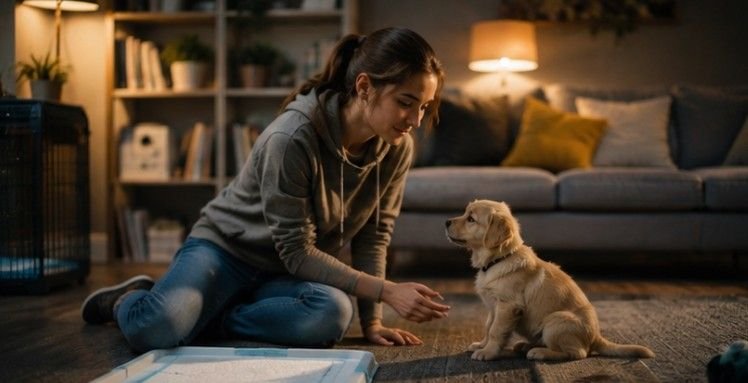
    Always take your puppy outside for one last bathroom break immediately before bedtime. Keep this outing calm, quiet, and purposeful so your puppy associates it with sleeping rather than playtime or excitement.

    Keep Nighttime Potty Trips Boring

    If your puppy wakes up and needs to go outside, keep the interaction brief and uneventful. Avoid talking, cuddling, or playing. A quick potty break followed by a return to bed teaches your puppy that waking at night won’t lead to extra attention or fun.

    A calm how to teach a puppy to sit routine before the final potty trip can help your puppy pause, focus, and return to bed with less excitement.

    Stay Consistent Every Night

    Consistency is more important than perfection. Stick to the same bedtime, follow the same evening routine, and respond to nighttime wake-ups in the same calm manner. Within a few weeks, most puppies begin recognizing basic manners, sleep for longer stretches, and settle back to sleep much more quickly.

    Frequently Asked Questions

    1. At what age can a puppy sleep through the night without peeing? 

    Most puppies reach this point around 16 weeks old, once their bladder can comfortably hold urine for 6 to 8 hours. Some smaller breeds may need a few extra weeks before reaching this same level of control. 

    2. What is the hardest month for a puppy? 

    The second month at home, usually covering weeks 8 through 12, tends to be the toughest stretch. Bladder control is still limited during this time, and adjusting to a new environment often adds extra restlessness at night. 

    3. Can I let my 9 week old puppy sleep through the night? 

    It is not recommended at this age, since a 9 week old puppy can typically only hold urine for 3 to 4 hours. Skipping nighttime bathroom breaks this early usually leads to accidents rather than progress. 

    4. What time should a puppy go to bed for the night? 

    Somewhere between 8 and 10 p.m. tends to work well for most households, as long as that same bedtime stays consistent every night. A predictable schedule helps a puppy’s internal clock adjust much faster.

    Sweet Dreams Ahead: The Countdown To Full Nights

    Figuring out when do puppies start sleeping through night doesn’t have to feel like a mystery anymore. With bladder capacity improving steadily between 8 and 16 weeks, a bit of patience, a calm bedtime routine, and boring nighttime bathroom breaks, most puppies settle into full nights of sleep by the four month mark. Better rest for your puppy means better rest for you too, and that finish line is closer than those exhausting early weeks make it feel.

  • How to Teach a Puppy to Sit in 5 Easy Steps

    How to Teach a Puppy to Sit in 5 Easy Steps

    A bouncing puppy can make training feel like comedy. Learning how to teach a puppy to sit gives both of you an easy first win and creates a calm behavior for daily puppy care. This guide uses positive reinforcement, small treats, precise timing, and short sessions.

    Sit helps before meals, walks, play, doors, and greetings. It builds focus and confidence without shouting or pushing. Consistent practice also helps your puppy understand that calm behavior earns attention, access, comfort, and everyday rewards.

    Key Takeaways

    1. Use tiny, tasty rewards.
    2. Mark the exact sitting moment.
    3. Keep sessions under five minutes.
    4. Fade the food lure gradually.
    5. Practice during normal routines.

    Prepare for Training

    Preparation makes training easier. Choose a quiet area, rewards, and safe flooring.

    Choose a Calm Space

    Start indoors with few distractions. Remove toys and nearby distractions. Use a non-slip mat. Contact a veterinarian if sitting appears painful or uneven.

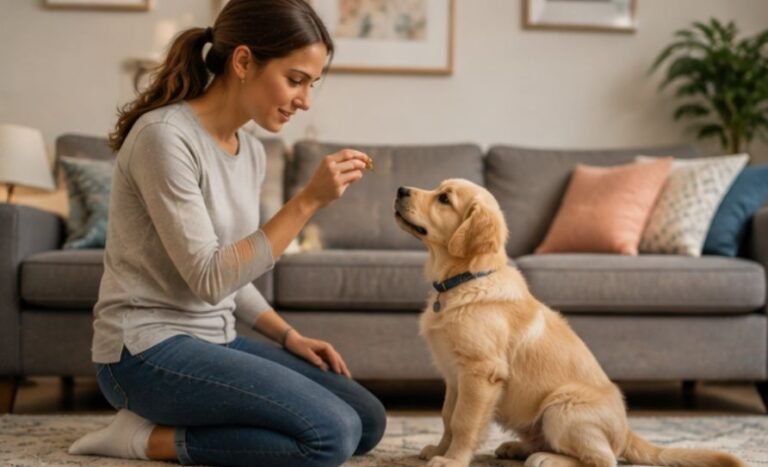
    Pick Useful Rewards

    Choose pea-sized, smelly treats. Kibble may work indoors, while higher-value food may help outside.

    Praise, toys, attention, and play can also reinforce sitting. The American Kennel Club notes that rewards should match what each dog values.

    Plan Short Sessions

    Practice for three to five minutes, up to three times daily. Finish while your puppy still wants more. Training should feel like a game.

    Where To Begin Teaching?

    Where To Begin Teaching?

    This lure training method uses food to guide movement before the visible treat is faded.

    1. Get Their Attention

    Hold a treat near your puppy’s nose without letting them grab it. Wait for four paws down. Calm movements reduce jumping and confusion.

    2. Lure the Position

    Move the treat slowly upward and slightly back, keeping it near the nose. As the head rises, the bottom should lower naturally. Never press the hips or pull the collar.

    3. Follow the Nose

    If your puppy backs away, use a smaller upward curve near a wall without trapping them. Lower the treat for jumping. Reset if your puppy lies down.

    4. Mark and Reward

    The instant your puppy’s bottom touches the floor, say “yes” or click a clicker. Give the treat immediately while your puppy remains seated.

    Precise timing tells your puppy which action earned the reward. Prepare treats beforehand so you can reward within one or two seconds.

    5. Add the Sit Cue

    Once your puppy follows the hand reliably, say “sit” once before moving the lure. Repeating the word may teach your puppy that the first cue can be ignored.

    Next, make the same hand movement without food. Reward from your pocket or other hand. Gradually shrink the gesture into a clear hand signal.

    Practice Often

    Repeat in short daily sessions. Begin in one quiet room, then try another room, the yard, driveway, and other safe places.

    When practising beyond the home, follow safe how to socialize a puppy before vaccinations strategies by choosing clean, controlled environments and avoiding areas frequently used by unknown dogs.

    Increase only one challenge at a time. Add duration, distance, or distraction separately. Outdoor practice may require better rewards.

    Make Sit Useful

    Make Sit Useful

    A trained behavior becomes reliable when it appears in normal puppy care routines. Ask for a polite sit before something valuable happens.

    Use Real-Life Rewards

    Request a brief sit before placing the food bowl down, clipping on the leash, opening a door, throwing a toy, or giving attention.

    Mealtime training becomes easier once you understand when can puppies eat dry food only, since age-appropriate food can double as a convenient reward during short practice sessions.

    Keep expectations fair. A puppy who urgently needs a bathroom break should not hold a long sit. Care comes before perfect obedience.

    Add a Release Cue

    After rewarding the sit, say “free,” “okay,” or another consistent release word, then invite your puppy to stand.

    Begin with one second and slowly increase the time. Reward while the puppy remains seated so standing early does not become a habit.

    Set a Success Goal

    Your puppy understands the basic cue when they sit after one word or hand signal four times out of five without seeing food first.

    Continue in different places. Dogs do not automatically know that a cue means the same thing everywhere.

    Fix Common Problems

    Most puppy training problems are not stubbornness. They usually mean the setting is too difficult, the reward is weak, or the puppy is confused.

    Puppy Backs Away

    Move the treat upward instead of far backward. Keep your hand close to the nose, use a smaller curve, and practice on a secure surface. Working beside a wall may help, but leave enough space for comfort. Never corner your puppy.

    Puppy Ignores Treats

    Try a quieter place or a better reward. Your puppy may be tired, full, worried, or distracted. Pause and return later.

    Some puppies prefer toys or praise. Notice what creates genuine enthusiasm and use that motivation safely.

    Puppy Stands Too Soon

    Feed the reward directly to your puppy’s mouth while they remain seated. Reaching forward can pull them up.

    Give two tiny treats during one short sit, then use the release cue. Reduce extra treats gradually.

    Avoid Training Mistakes

    Avoid Training Mistakes

    Clear communication protects your bond and prevents confusion. Positive puppy training should feel safe, predictable, and rewarding.

    Do Not Repeat Cues

    Say “sit” once, then pause. Repeating it teaches your puppy that responding immediately is optional. Help with the hand signal if needed.

    No response usually means the exercise is too hard. Reduce distractions, improve the reward, or return to luring briefly.

    Do Not Use Force

    Never press your puppy’s bottom, shout, jerk the leash, or punish mistakes. These actions can create fear and make a puppy avoid training.

    The American Veterinary Society of Animal Behavior supports reward-based methods. Positive reinforcement teaches the desired choice while protecting trust.

    Do Not Rush

    A perfect kitchen sit does not guarantee success at a park. Practice in gradually harder locations and improve rewards as distractions increase.

    Expect setbacks during teething, growth, fear periods, or household changes. Calm repetition works better than frustration.

    Frequently Asked Questions

    1. At What Age Should You Teach a Puppy to Sit?

    Most puppies can begin simple sit training around eight weeks old after settling into their home. Keep lessons gentle, brief, age-appropriate, and focused on successful repetitions.

    2. What Are Common Puppy Training Mistakes?

    Common mistakes include repeating cues, rewarding late, practicing too long, displaying food before every response, adding distractions quickly, choosing weak rewards, and punishing normal confusion.

    3. How to Teach a Stubborn Puppy to Sit?

    Use a quieter space, better reward, secure surface, and shorter lesson. A stubborn puppy may actually be distracted, tired, uncomfortable, worried, or unclear about the task.

    4. What Is the First Command You Should Teach Your Puppy?

    Name recognition and recall matter for safety, while sit is an excellent first manners cue. Teach all three early through brief, positive sessions.

    Sit Happens: Celebrate the Win

    Learning how to teach a puppy to sit creates more than a cute trick. It gives your puppy a calm option during meals, greetings, walks, play, and open doors.

    Use small treats, precise timing, clear cues, and cheerful daily practice. Fade the lure gradually, reward real-life success, and remember that patient training builds reliable manners and a stronger bond.

  • Puppy Biting Hands and Feet How to Stop Without Stress

    Puppy Biting Hands and Feet How to Stop Without Stress

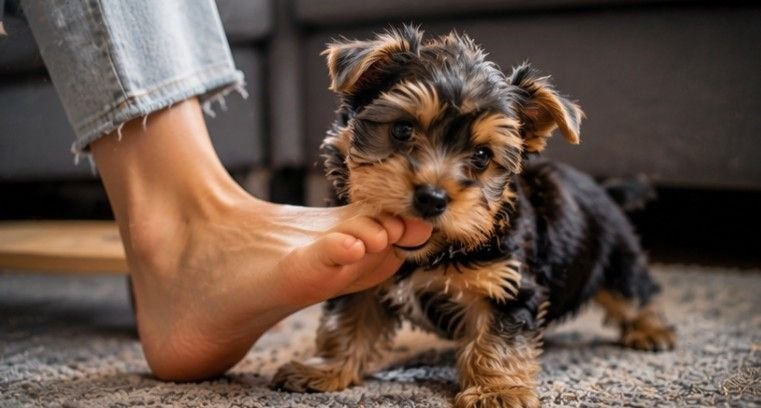
    A tiny puppy can turn a walk across the living room into an ankle-chasing adventure. After watching a playful pup treat fingers, socks, and slippers like moving toys, “puppy biting hands and feet how to stop” becomes a very real question. Thankfully, calm reactions, smart redirection, enough rest, and consistent training can protect your skin without frightening your new companion.

    Key Takeaways

    • Puppy biting is normal, but calm training prevents lasting habits.
    • Freeze instead of pulling away, then redirect to a suitable toy.
    • Briefly remove attention when teeth keep touching skin or clothing.
    • Regular naps, enrichment, and simple cues reduce overtired nipping.
    • Never use physical punishment; seek help for fearful or forceful biting.

    Why Do Puppies Bite So Much?

    Understanding puppy biting hands and feet how to stop saves your socks, patience, and favorite pajama bottoms. More importantly, it teaches bite inhibition before your puppy becomes a stronger adult dog. A clear household plan prevents mixed messages, so everyone responds safely instead of turning the hallway into an accidental chase game.

    Puppies explore with their mouths, play through nipping, and chew to soothe teething gums. Moving hands and feet are exciting because they resemble fast toys. The goal is not to punish normal puppy behavior. It is to show your pup what to bite, how gently to interact, and when play must pause.

    Immediate Reactions

    Your first response can calm the situation or make biting more exciting. Use the same sequence whenever teeth touch skin.

    Freeze And Go Limp

    Stop moving and let your hand or foot become boring. Pulling away can trigger another chase. The puppy mouthing guide explains that mouthing is normal, but puppies still need to learn gentler play.

    Wait for the release, praise calmly, and offer an approved chew. Skin stops the game, while toys keep it going.

    Use One Short Sound

    One calm “ouch” may interrupt some puppies. High-pitched squeals can excite energetic or herding puppies, so watch your puppy’s response. If the sound increases biting, skip it. Freeze silently and redirect.

    Remove Attention Briefly

    Remove Attention Briefly

    If your puppy returns to skin after redirection, stand up, turn away, or step behind a baby gate for about 30 seconds. Keep the pause boring, without eye contact, talking, or angry gestures.

    Return when your puppy settles and restart with a toy. This brief reset teaches a practical rule: gentle play continues, but biting people makes attention disappear.

    Redirection And Training

    Preventing a bite is easier than reacting afterward. Keep better choices nearby.

    Keep A Toy Ready

    Place safe chew toys where biting happens most. Carry a small tug toy and offer it before your puppy reaches for skin. Rotate textures to maintain interest.

    Choose correctly sized toys, supervise chews, check for damage, and ask your veterinarian about safe options.

    Teach A Reliable Sit

    Ask for a sit before petting, greeting, or play. It gives an excited puppy a job. Mark it with “yes,” then reward.

    Practice briefly while your puppy is relaxed. Quiet practice makes the cue easier around hands, shoelaces, and visitors.

    Reward Better Choices

    Praise your puppy for approaching without nipping, walking beside your feet, chewing a toy, or relaxing on a mat. Small treats and gentle attention make calm behavior valuable.

    For more ideas, see Rover’s puppy biting advice. Videos can show timing, but choose qualified trainers on YouTube and treat Reddit experiences as personal stories, not expert guidance.

    Management And Routine

    Exhausted or overexcited puppies struggle to make good choices. Daily management reduces biting while training develops.

    Management And Routine

    Schedule Regular Naps

    Overtired puppies often become noisy “landsharks” that grab sleeves and ankles. Young puppies may need 18 to 20 hours of daily sleep, according to the American Kennel Club. Needs vary with age, breed, health, and activity.

    Plan toilet breaks, food, play, training, and sleep. Guide your puppy to a quiet crate or pen before frantic biting begins. Naps must feel safe.

    Use Helpful Barriers

    Baby gates and pens help when supervision is impossible. They prevent ankle attacks while allowing safe rest and chewing.

    Barriers do not replace interaction. Provide water, bedding, and enrichment. Children must not tease or enter unsupervised.

    Meet Daily Needs

    Offer suitable exercise, sniffing, food puzzles, training, and calm contact. Mental enrichment can be better than nonstop physical play.

    Keep a biting diary with time, activity, sleep, and triggers. Patterns may reveal hunger, rough play, teething, or missed naps.

    Puppy Biting Hands And Feet How To Stop

    Use this sequence whenever biting begins. Freeze first, give one calm interrupter only if it helps, and offer a nearby toy. Praise the moment your puppy chooses it. If teeth return to skin, remove attention for 30 seconds, then restart calmly.

    Puppy Biting Hands And Feet How To Stop

    Next, check the cause. Your puppy may need a chew, sniffing game, or nap. Ask for a familiar sit before petting or walking again. Every family member should follow the same response.

    Track progress weekly rather than expecting perfection. Fewer bites, softer mouth pressure, faster recovery, and choosing toys without prompting are meaningful signs that your puppy is learning and developing well.

    Never hit, tap the nose, alpha-roll, or hold the mouth shut. Physical corrections can create fear or defensive biting. Positive reinforcement builds trust.

    When To Get Help

    Most playful puppy biting during play improves with maturity and consistent training. However, seek help for stiff posture, hard staring, guarding, repeated skin-breaking bites, fear, sudden behavior changes, or difficulty calming down.

    Begin with your veterinarian to rule out pain or illness. Then contact a qualified reward-based trainer or veterinary behaviorist. Keep children and vulnerable adults separated from unsafe interactions until a professional plan is ready.

    Frequently Asked Questions

    1. Why Does My Puppy Keep Biting My Hands And Feet?

    Hands and feet move, smell interesting, and trigger playful chasing. Teething, tiredness, boredom, overstimulation, and attention-seeking can also increase mouthing, so identify the likely trigger before responding.

    2. Do Puppies Grow Out Of Biting Hands?

    Most puppies improve as teething ends and self-control develops, but consistent bite inhibition training is still important. Without guidance, attention-rewarded nipping can remain a practiced habit beyond puppyhood.

    3. Is It Okay To Push A Puppy Away When Biting?

    No. Pushing can feel like play or make a worried puppy defensive. Freeze, redirect to a toy, and briefly remove attention using calm, predictable movements every time.

    4. At What Age Do Puppies Stop Puppy Biting?

    Many puppies improve between six and ten months, although timing varies by breed, development, training, and teething. Persistent, intense, or fearful biting needs professional assessment.

    Trade Tiny Teeth For Gentle Greetings

    Learning puppy biting hands and feet how to stop is about teaching better choices, not winning a battle. Freeze, redirect, reward calm behavior, protect sleep, and use barriers wisely. With patient repetition, your puppy can replace ankle ambushes with toy play, relaxed greetings, and safer family fun while keeping your bond strong.

  • See This 7-Day Guide: Fastest Way to House Train a Puppy

    See This 7-Day Guide: Fastest Way to House Train a Puppy

    Raising a brand-new furry family member brings endless joy, but waking up to soggy carpets at three in the morning can test anyone’s patience. Navigating those early weeks requires a smart routine, which is why mastering the fastest way to house train a puppy becomes every new pet parent’s top priority. With the right strategy, you can swap continuous cleanup for a clean, happy home in record time.

    Key Takeaways

    • Set a strict feeding and bathroom schedule tailored to your puppy’s exact age in months.
    • Use direct supervision, crate training, and dedicated confinement spaces to stop indoor accidents before they happen.
    • Reward outdoor success instantly with high-value treats and enthusiastic praise to build strong positive habits.
    • Clean all indoor accidents with enzymatic sprays to completely erase scent triggers that attract repeat visits.
    • Adapt training methods for apartment living using balcony grass patches or indoor artificial turf setups.

    Mastering Bladder Limits and Body Language

    Before diving into daily training routines, understanding your young dog’s physical limitations prevents frustration and sets realistic expectations for both of you.

    Age and Muscle Development Dynamics

    Young puppies possess limited muscle control over their bladders, meaning they physically cannot hold urine for hours on end. A reliable general rule holds that a puppy can hold its bladder for one hour for every month of age. 

    Consequently, a two-month-old pup needs a bathroom break every two hours during daytime activity. Expecting a small puppy to last through an entire workday without a break leads straight to inevitable indoor accidents and delayed training progress.

    Catching Early Eliminating Cues

    Dogs communicate their physical needs through subtle body language long before they resort to whining or barking at the door. Watch for sudden sniffing, tight pacing, abrupt circles, or walking away into quiet corners of the room. 

    Whenever your pup breaks away from active play to sniff intently, pick them up immediately and head toward their designated bathroom spot outdoors. Acting on these early signals helps your dog connect their internal urge with the correct outdoor location.

    Designing Your Daily Training Routine

    Establishing a predictable daily rhythm forms the true foundation of quick, reliable house training success.

    Clockwork Scheduling Principles

    Clockwork Scheduling Principles

    Dogs thrive on predictable daily patterns, so keeping meals, naps, and bathroom trips on a strict schedule speeds up learning dramatically. Take your pup outside immediately upon waking, ten minutes after eating or drinking, right after playtime, and right after waking up from naps. Feeding meals at exact times every day regulates digestion, making bathroom breaks remarkably predictable throughout the evening and night.

    Crate Integration Strategies

    A proper crate serves as a safe instinctual den rather than a penalty box, leveraging a dog’s natural desire to keep their sleeping area clean. Ensure the crate offers just enough space for your puppy to stand up, turn around, and lie down comfortably. 

    If the crate is too spacious, your pup might use one corner as a restroom and sleep in the other. Keep your pup crated whenever you cannot provide active, eyes-on supervision inside the house.

    Golden Rules to House Train a Puppy

    Implementing active management techniques ensures your puppy develops lifelong good habits in record time. Teach your four-legged friend basic obedience commands early on.

    Take Them Out Constantly

    Take Them Out Constantly

    The absolute fastest way to house train a puppy is to bring them to their designated outdoor spot every 30 to 60 minutes when awake. You must also take them out immediately after they wake up, finish eating, drink water, or wrap up an energetic play session. 

    Frequent trips create endless opportunities for your puppy to eliminate in the right spot, building muscle memory and strong outdoor habits far quicker than passive schedules allow.

    Control Freedom with Crates and Tethers

    Prevent indoor mistakes by keeping your puppy in a properly sized crate when you cannot watch them with total focus. When you are together in the living room, tether them to your belt with a short leash so they cannot sneak away into another room to make a secret mess. 

    Restricting unsupervised freedom eliminates accidental indoor slips, forcing your puppy to rely on you to guide them outside whenever they feel the urge to go.

    Reward Instantly with High-Value Treats

    Timing plays a critical role in reinforcement, so deliver praise and rewards within three seconds of completion. Say a cue word like “go potty” while they are eliminating, and the second they finish, give them high-value treats and happy praise. 

    Offer special rewards like freeze-dried liver or boiled chicken that your puppy only receives for successful outdoor potty trips, celebrating every victory with enthusiastic verbal praise before heading back inside.

    Never Punish Indoor Accidents

    If you discover an old mess on the floor later in the day, do absolutely nothing because punishing a dog after the fact only causes fear and confusion. If you catch them mid-accident, gently interrupt them with a soft noise, carry them outside immediately, and praise them warmly if they finish on the grass. 

    Yelling or rubbing a puppy’s nose in a mess teaches them to hide from you when eliminating, which severely damages your training progress.

    Tailoring Strategies for Apartment Dwellers

    Living in a high-rise building or lacking a private yard requires tailored training adaptations to maintain fast progress.

    Tailoring Strategies for Apartment Dwellers

    Indoor Real Grass Solutions

    Navigating long hallways and elevators can cause accidents before reaching the curb, making real grass delivery patches an ideal apartment compromise. Place a fresh grass tray on a secure balcony or in a tiled laundry room to give your pup an authentic texture underfoot. 

    Avoid synthetic pee pads whenever possible, as their soft fabric texture often confuses puppies into using carpets, bath mats, or blankets instead.

    Handling Rain and Cold Weather

    Bad weather frequently disrupts training momentum, as cold or rainy conditions make young puppies hesitant to step outside. Keep an umbrella and a cozy dog jacket right by your front door so trip preparation takes under ten seconds. 

    Calmly guide your pup out regardless of the weather, rewarding them generously the moment they brave the rain to finish their business.

    Resolving Indoor Mistakes Without Frustration

    Accidents form an inevitable part of the learning journey, and how you react determines how quickly your puppy recovers and improves.

    Intercepting Mistakes Gracefully

    If you catch your puppy starting to go inside, interrupt them calmly without yelling or scaring them. Pick them up immediately and carry them directly to their outdoor bathroom spot to finish up. Praise them warmly if they finish the remaining business outside, reinforcing the concept that outdoors is always the preferred place for potty breaks.

    Erasing Invisible Odor Markers

    Standard household cleaners fail to break down the organic uric acid found in pet waste, leaving behind microscopic scent markers. Puppies instinctively return to locations that smell like previous bathroom trips to eliminate again. 

    Always scrub accident zones using an enzymatic cleaner like Nature’s Miracle or Simple Solution to completely dissolve organic proteins and eliminate lingering odors.

    Frequently Asked Questions

    1. How do you potty train a dog in 3 days using the fastest way to house train a puppy?

    Three-day methods rely on non-stop direct supervision, taking your puppy outside every 30 minutes, and rewarding success instantly with high-value treats. While this intensive marathon builds strong foundation habits rapidly, full reliability still requires weeks of consistent management as your puppy grows.

    2. Is it possible to house train a puppy in 7 days?

    You can establish a solid, predictable routine within seven days through rigorous scheduling and crate training. However, complete physical reliability depends on your puppy’s age and physical bladder development, which matures fully around four to six months of age.

    3. What’s the quickest you can potty train a puppy?

    Most puppies grasp basic house rules within two to three weeks of strict supervision and consistent schedules. Achieving zero accidents inside the house typically takes three to six months as their physical bladder control and capacity naturally mature.

    4. What is the fastest method to train your puppy?

    Combining crate training, a strict feeding and bathroom schedule, and immediate high-value rewards represents the fastest proven method. Adding continuous supervision prevents indoor mistakes entirely, forcing your puppy to build positive outdoor elimination habits rapidly.

    Victory Is Yours: Enjoy a Cleaner Home Today!

    House training your new companion takes dedication, patience, and a well-structured daily routine, but the rewards are well worth every late-night trip outside. By maintaining a strict schedule, controlling indoor freedom, and rewarding outdoor success instantly, you will master the fastest way to house train a puppy in no time. 

    Celebrate every small victory along the way, stay consistent through minor setbacks, and look forward to enjoying a clean, happy home with your best friend!

  • When Do Puppies Lose Baby Teeth? Complete Timeline & Care

    When Do Puppies Lose Baby Teeth? Complete Timeline & Care

    Welcoming a fluffy little puppy into your home brings boundless joy, endless cuddles, and plenty of mystery when tiny white needles start appearing on your favorite rug. If you are tracking milestones and wondering when do puppies lose their baby teeth, you are certainly not alone in wanting to keep your furry friend happy and healthy.

    Tracking Puppy Teeth For Fun & Health

    Understanding when do puppies lose their baby teeth is essential because it helps you decode why your sweet little companion suddenly turns into a tiny land shark chewing on table legs. Knowing this dental schedule allows you to protect your footwear, offer the right chew toys, and ensure your puppy grows into a happy adult with a strong and healthy smile.

    The Complete Puppy Teething Timeline

    Tracking the exact schedule of dental development helps you prepare for every stage of your growing companion’s mouth changes.

    Early Eruption Of Milk Teeth

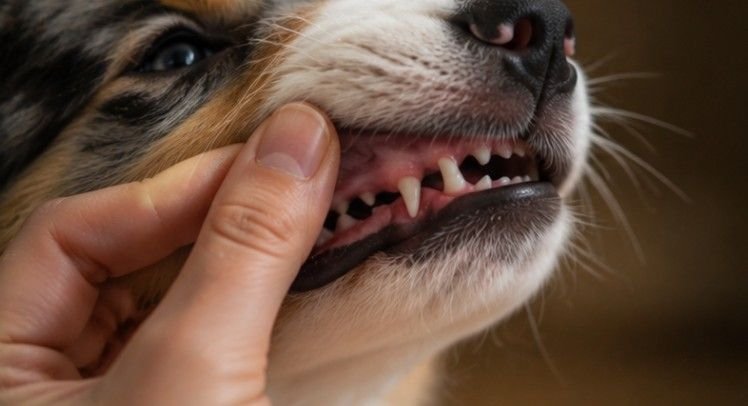
    Little canines are born completely toothless and rely entirely on mother’s milk during their first few weeks of life. Tiny milk teeth begin poking through tender gums around three weeks of age starting with the front incisors. By the time they reach eight weeks old a full set of twenty eight sharp baby teeth is fully grown in. During this time, puppies show excessive biting tendency.

    Shedding Deciduous Teeth Phase

    Puppies start to lose their baby teeth between three and four months of age which marks the official start of the shedding phase. As permanent adult teeth grow deeper in the jawbone they push against the roots of milk teeth. This natural pressure causes baby teeth to loosen and fall out to make room for forty two permanent adult teeth. 

    Arrival Of Permanent Teeth

    Most dogs have all forty two permanent adult teeth firmly in place by the time they reach six to seven months old. Large dog breeds often complete this entire cycle slightly faster than toy breeds though every single dog follows a unique personal timeline.

    Practical Steps To Help Your Teething Puppy Thrive

    Navigating the heavy chewing phase requires patience and the right household strategies to keep your belongings safe and your puppy comfortable.

    Practical Steps To Help Your Teething Puppy Thrive

    Managing Heavy Chewing Habits

    When do puppies lose their baby teeth becomes very obvious when heavy chewing begins because gnawing helps loosen milk teeth and soothe sore gums. Giving your puppy appropriate rubber chew toys protects furniture and shoes from sharp little teeth. Rotating these toys regularly keeps your puppy interested and prevents boredom during long afternoons.

    Spotting Missing Teeth Or Tiny Finds

    You might occasionally spot a tiny tooth on the floor though many puppies accidentally swallow them while eating without any trouble at all. Checking your puppy’s mouth gently during relaxed cuddle sessions lets you monitor progress without causing stress. Remaining observant ensures you catch any unusual dental developments right away.

    Handling Retained Baby Teeth

    Sometimes baby teeth refuse to fall out even when permanent adult teeth are already emerging right next to them. 

    If an adult tooth grows right next to a baby tooth a vet may need to remove the leftover baby tooth during a routine visit. You can learn more about scheduling a check up via the American Animal Hospital Association.

    Puppy Dental Care Tips During the Teething Phase

    Teething is a natural part of your puppy’s development, but it also marks the beginning of lifelong dental care. While you’re learning when do puppies lose their baby teeth, it’s equally important to establish healthy oral hygiene habits early. Good dental care not only keeps your puppy’s breath fresh but also helps prevent plaque buildup, gum disease, and other oral health problems later in life.

    Puppy Dental Care Tips During the Teething Phase

    Start Brushing Your Puppy’s Teeth Early

    The best time to introduce tooth brushing is while your puppy is still young and getting used to being handled. Use a soft-bristled dog toothbrush or a finger brush along with a toothpaste specially formulated for dogs. 

    Never use human toothpaste, as ingredients like xylitol and fluoride can be harmful to pets. Begin with short, gentle brushing sessions a few times each week, gradually working up to daily brushing as your puppy becomes more comfortable.

    Choose Safe Dental Chews and Toys

    During teething, puppies have a strong urge to chew, making dental chew toys an excellent way to soothe sore gums while supporting oral health. Durable rubber chew toys, textured dental toys, and veterinarian-approved dental chews can help reduce plaque and massage the gums. A

    void giving hard objects such as cooked bones, antlers, or rocks, which can crack developing teeth or injure your puppy’s mouth.

    Schedule Regular Veterinary Dental Checks

    Routine veterinary visits are essential for monitoring your puppy’s dental development. Your veterinarian can check that baby teeth are falling out on schedule, identify retained baby teeth, and ensure adult teeth are erupting correctly. Early detection of dental issues can prevent overcrowding, bite problems, and painful infections that may require more extensive treatment later.

    Watch for Signs of Dental Problems

    Watch for Signs of Dental Problems

    While mild gum tenderness and increased chewing are normal during teething, certain symptoms deserve prompt veterinary attention. Persistent bad breath, swollen or bleeding gums, excessive drooling, difficulty eating, loose adult teeth, or baby teeth that remain after adult teeth emerge may indicate an underlying dental problem. With consistent home care and regular checkups, your puppy can develop strong, healthy teeth that last well into adulthood.

    Frequently Asked Questions 

    1. What age is teething worst for puppies?

    Teething usually peaks between four and six months of age when large adult molars and canines push through tender gums simultaneously. This specific window often brings maximum chewing and mild discomfort.

    2. Do puppies stop biting when their baby teeth fall out?

    Puppies naturally reduce intense mouthing once adult teeth fully erupt and sore gums heal completely. Gentle training and consistent redirection during this transition remain necessary for great behavior.

    3. What is the 7 7 7 rule for puppies?

    The seven seven seven guideline suggests exposing a puppy to seven new types of surfaces, sounds, and experiences during their key social development window. This practice builds lifelong confidence and prevents fear.

    4. How to tell when puppy teeth are about to fall out?

    Loose teeth, mild gum bleeding, increased drooling, and a sudden obsession with chewing indicate a baby tooth is about to drop out. You might also notice your puppy pausing while eating dry kibble.

    Wrapping Up This Chewtastic Journey

    Navigating the teething phase takes patience, but providing proper care makes all the difference for your growing companion. By understanding when do puppies lose their baby teeth, you can protect their developing smile and build a wonderful lifelong bond. Enjoy this playful puppy stage while keeping your home safe and your furry friend completely comfortable.