Raising a brand-new furry family member brings endless joy, but waking up to soggy carpets at three in the morning can test anyone’s patience. Navigating those early weeks requires a smart routine, which is why mastering the fastest way to house train a puppy becomes every new pet parent’s top priority. With the right strategy, you can swap continuous cleanup for a clean, happy home in record time.
Key Takeaways
- Set a strict feeding and bathroom schedule tailored to your puppy’s exact age in months.
- Use direct supervision, crate training, and dedicated confinement spaces to stop indoor accidents before they happen.
- Reward outdoor success instantly with high-value treats and enthusiastic praise to build strong positive habits.
- Clean all indoor accidents with enzymatic sprays to completely erase scent triggers that attract repeat visits.
- Adapt training methods for apartment living using balcony grass patches or indoor artificial turf setups.
Mastering Bladder Limits and Body Language
Before diving into daily training routines, understanding your young dog’s physical limitations prevents frustration and sets realistic expectations for both of you.
Age and Muscle Development Dynamics
Young puppies possess limited muscle control over their bladders, meaning they physically cannot hold urine for hours on end. A reliable general rule holds that a puppy can hold its bladder for one hour for every month of age.
Consequently, a two-month-old pup needs a bathroom break every two hours during daytime activity. Expecting a small puppy to last through an entire workday without a break leads straight to inevitable indoor accidents and delayed training progress.
Catching Early Eliminating Cues
Dogs communicate their physical needs through subtle body language long before they resort to whining or barking at the door. Watch for sudden sniffing, tight pacing, abrupt circles, or walking away into quiet corners of the room.
Whenever your pup breaks away from active play to sniff intently, pick them up immediately and head toward their designated bathroom spot outdoors. Acting on these early signals helps your dog connect their internal urge with the correct outdoor location.
Designing Your Daily Training Routine
Establishing a predictable daily rhythm forms the true foundation of quick, reliable house training success.
Clockwork Scheduling Principles

Dogs thrive on predictable daily patterns, so keeping meals, naps, and bathroom trips on a strict schedule speeds up learning dramatically. Take your pup outside immediately upon waking, ten minutes after eating or drinking, right after playtime, and right after waking up from naps. Feeding meals at exact times every day regulates digestion, making bathroom breaks remarkably predictable throughout the evening and night.
Crate Integration Strategies
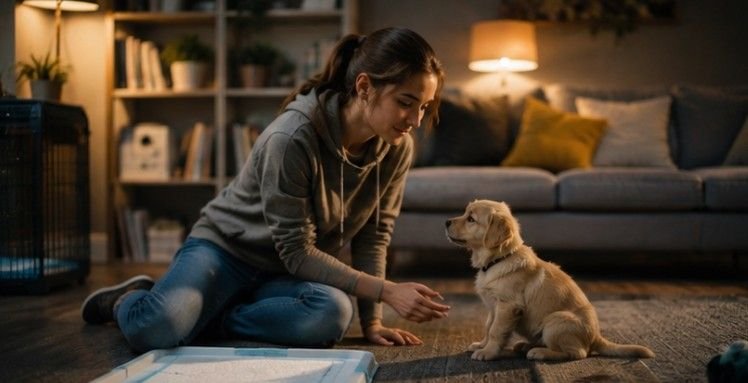
A proper crate serves as a safe instinctual den rather than a penalty box, leveraging a dog’s natural desire to keep their sleeping area clean. Ensure the crate offers just enough space for your puppy to stand up, turn around, and lie down comfortably.
If the crate is too spacious, your pup might use one corner as a restroom and sleep in the other. Keep your pup crated whenever you cannot provide active, eyes-on supervision inside the house.
Golden Rules to House Train a Puppy
Implementing active management techniques ensures your puppy develops lifelong good habits in record time. Teach your four-legged friend basic obedience commands early on.
Take Them Out Constantly
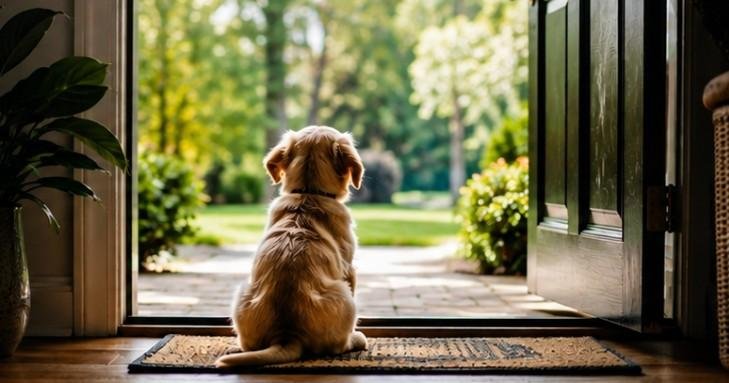
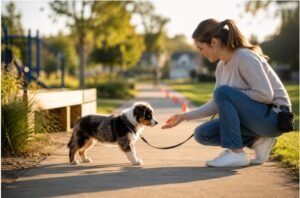
The absolute fastest way to house train a puppy is to bring them to their designated outdoor spot every 30 to 60 minutes when awake. You must also take them out immediately after they wake up, finish eating, drink water, or wrap up an energetic play session.
Frequent trips create endless opportunities for your puppy to eliminate in the right spot, building muscle memory and strong outdoor habits far quicker than passive schedules allow.
Control Freedom with Crates and Tethers
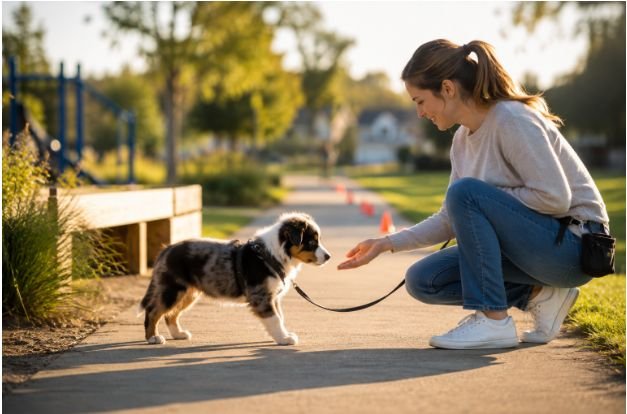
Prevent indoor mistakes by keeping your puppy in a properly sized crate when you cannot watch them with total focus. When you are together in the living room, tether them to your belt with a short leash so they cannot sneak away into another room to make a secret mess.
Restricting unsupervised freedom eliminates accidental indoor slips, forcing your puppy to rely on you to guide them outside whenever they feel the urge to go.
Reward Instantly with High-Value Treats
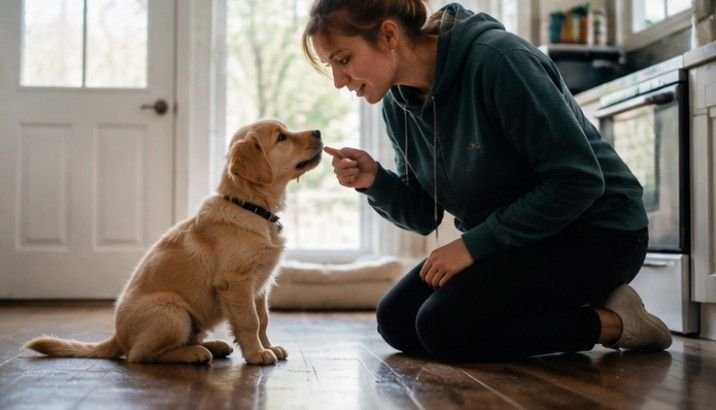
Timing plays a critical role in reinforcement, so deliver praise and rewards within three seconds of completion. Say a cue word like “go potty” while they are eliminating, and the second they finish, give them high-value treats and happy praise.
Offer special rewards like freeze-dried liver or boiled chicken that your puppy only receives for successful outdoor potty trips, celebrating every victory with enthusiastic verbal praise before heading back inside.
Never Punish Indoor Accidents
If you discover an old mess on the floor later in the day, do absolutely nothing because punishing a dog after the fact only causes fear and confusion. If you catch them mid-accident, gently interrupt them with a soft noise, carry them outside immediately, and praise them warmly if they finish on the grass.
Yelling or rubbing a puppy’s nose in a mess teaches them to hide from you when eliminating, which severely damages your training progress.
Tailoring Strategies for Apartment Dwellers
Living in a high-rise building or lacking a private yard requires tailored training adaptations to maintain fast progress.
Indoor Real Grass Solutions
Navigating long hallways and elevators can cause accidents before reaching the curb, making real grass delivery patches an ideal apartment compromise. Place a fresh grass tray on a secure balcony or in a tiled laundry room to give your pup an authentic texture underfoot.
Avoid synthetic pee pads whenever possible, as their soft fabric texture often confuses puppies into using carpets, bath mats, or blankets instead.
Handling Rain and Cold Weather
Bad weather frequently disrupts training momentum, as cold or rainy conditions make young puppies hesitant to step outside. Keep an umbrella and a cozy dog jacket right by your front door so trip preparation takes under ten seconds.
Calmly guide your pup out regardless of the weather, rewarding them generously the moment they brave the rain to finish their business.
Resolving Indoor Mistakes Without Frustration
Accidents form an inevitable part of the learning journey, and how you react determines how quickly your puppy recovers and improves.
Intercepting Mistakes Gracefully
If you catch your puppy starting to go inside, interrupt them calmly without yelling or scaring them. Pick them up immediately and carry them directly to their outdoor bathroom spot to finish up. Praise them warmly if they finish the remaining business outside, reinforcing the concept that outdoors is always the preferred place for potty breaks.
Erasing Invisible Odor Markers
Standard household cleaners fail to break down the organic uric acid found in pet waste, leaving behind microscopic scent markers. Puppies instinctively return to locations that smell like previous bathroom trips to eliminate again.
Always scrub accident zones using an enzymatic cleaner like Nature’s Miracle or Simple Solution to completely dissolve organic proteins and eliminate lingering odors.
Frequently Asked Questions
1. How do you potty train a dog in 3 days using the fastest way to house train a puppy?
Three-day methods rely on non-stop direct supervision, taking your puppy outside every 30 minutes, and rewarding success instantly with high-value treats. While this intensive marathon builds strong foundation habits rapidly, full reliability still requires weeks of consistent management as your puppy grows.
2. Is it possible to house train a puppy in 7 days?
You can establish a solid, predictable routine within seven days through rigorous scheduling and crate training. However, complete physical reliability depends on your puppy’s age and physical bladder development, which matures fully around four to six months of age.
3. What’s the quickest you can potty train a puppy?
Most puppies grasp basic house rules within two to three weeks of strict supervision and consistent schedules. Achieving zero accidents inside the house typically takes three to six months as their physical bladder control and capacity naturally mature.
4. What is the fastest method to train your puppy?
Combining crate training, a strict feeding and bathroom schedule, and immediate high-value rewards represents the fastest proven method. Adding continuous supervision prevents indoor mistakes entirely, forcing your puppy to build positive outdoor elimination habits rapidly.
Victory Is Yours: Enjoy a Cleaner Home Today!
House training your new companion takes dedication, patience, and a well-structured daily routine, but the rewards are well worth every late-night trip outside. By maintaining a strict schedule, controlling indoor freedom, and rewarding outdoor success instantly, you will master the fastest way to house train a puppy in no time.
Celebrate every small victory along the way, stay consistent through minor setbacks, and look forward to enjoying a clean, happy home with your best friend!