Category: carolina dog

  • Is a Carolina Dog a Good Family Pet? Honest Guide

    Is a Carolina Dog a Good Family Pet? Honest Guide

    Is a Carolina Dog a good family pet for an active household? In many cases, yes. However, this independent, alert breed needs more structure than the average easygoing companion dog.

    I would describe the Carolina Dog as a quiet adventure partner rather than a social butterfly. It can become deeply devoted to its household while remaining cautious around unfamiliar people. The best match is a patient family prepared to provide exercise, training, secure boundaries, and steady socialization.

    The Quick Verdict for Families

    So, is a Carolina Dog a good family pet in practical terms? The answer depends less on your home’s size and more on your daily routine.

    A Carolina Dog may suit your family when you enjoy hiking, walking, training, and outdoor activities. It can also thrive with owners who respect independent behavior rather than expecting instant obedience.

    The breed may prove difficult for families wanting a relaxed dog that welcomes every visitor. It may also challenge first-time owners who lack time for socialization or secure exercise.

    Why Carolina Dogs Bond Closely With Families

    Why Carolina Dogs Bond Closely With Families

    Carolina Dogs tend to form strong bonds with people they consider part of their social group. They often become loyal, observant companions that enjoy joining normal household activities.

    Understanding carolina dog temperament and personality traits helps explain this bond. These dogs can be affectionate with familiar people yet reserved when strangers enter their space.

    Loyalty Without Constant Clinginess

    I would not expect every Carolina Dog to follow its owner from room to room. Many show affection through proximity, awareness, and participation rather than constant physical contact.

    This independence does not mean the dog lacks attachment. It means the dog may choose when and how to interact. Families that appreciate this balance often find the relationship rewarding.

    Reserved Behavior Around Strangers

    The United Kennel Club breed standard describes shyness and suspicion as characteristic, while stating that excessive fear or human aggression is undesirable. Owners should not expect every Carolina Dog to enjoy contact with strangers.

    That natural reserve can make the breed an attentive watchdog. However, owners must prevent caution from developing into fear through controlled, positive exposure.

    Are Carolina Dogs Good With Children?

    Parents asking is a Carolina Dog a good family pet usually want to know whether the breed behaves safely around children. A well-socialized individual can become affectionate and playful with respectful children, especially when raised alongside them.

    Breed specialists report that Carolina Dogs often enjoy children and bond quickly with their household. They still recommend controlled introductions and active supervision around unfamiliar children.

    Supervision and Respectful Handling

    No dog should supervise itself around young children. Adults should prevent children from grabbing ears, disturbing sleep, climbing on the dog, or approaching its food.

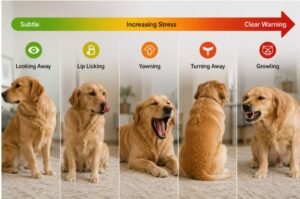
    Children should also learn to recognize avoidance signals. Turning away, lip licking, lowered posture, or leaving the room can mean the dog needs space.

    A calmer home with older children may be easier than a noisy household with toddlers. Individual temperament and early experiences matter more than the breed label alone.

    Can Carolina Dogs Live With Other Pets?

    Can Carolina Dogs Live With Other Pets?

    When considering is a Carolina Dog a good family pet, assess every animal already living in your home. Carolina Dogs may coexist successfully with other dogs, particularly after slow introductions.

    Small animals require greater caution. Carolina Dogs retain hunting instincts and may chase rabbits, rodents, outdoor cats, poultry, or other fast-moving animals. Carolina Dog breed specialists describe both prey drive and hunting ability as prominent traits.

    Managing Their Natural Prey Drive

    A secure introduction process matters. Use leashes, gates, crates, and separate rooms until both animals remain calm during controlled contact.

    Do not assume peaceful behavior indoors guarantees safety outdoors. Movement can trigger chasing. Some individuals may never become trustworthy around small animals, even after training.

    Exercise Needs of a Carolina Dog

    A Carolina Dog needs purposeful daily activity. The American Kennel Club recommends fenced-yard play or several walks throughout the day.

    Rather than promising a fixed 60- or 90-minute requirement, I would adjust exercise to the dog’s age, health, behavior, and energy. A young adult may need brisk walks, sniffing sessions, play, and training. An older dog may prefer shorter outings.

    A tired dog is not always a satisfied dog. Repetitive running can build endurance without teaching calm behavior.

    Why Mental Work Matters Too

    Food puzzles, scent games, hide-and-seek, tracking exercises, and short obedience sessions engage the dog’s problem-solving ability.

    My practical approach would divide activity into three parts: physical movement, scent-based exploration, and calm training. This combination usually provides more value than one long walk around the same block.

    A secure fence is essential. Athletic dogs with hunting instincts may pursue wildlife beyond an unfenced property.

    Carolina Dog Training and Socialization

    Training strongly influences is a Carolina Dog a good family pet for your household. Intelligence does not always produce automatic cooperation. Independent dogs often evaluate whether a request seems worthwhile.

    Harsh corrections can damage trust and increase defensive behavior. Calm consistency works better than intimidation.

    Positive Reinforcement Builds Trust

    Reward the behavior you want with food, play, access, or praise. Begin with useful skills such as recall, leash walking, settling, waiting at doors, leaving objects, and entering a crate.

    Keep sessions short enough to maintain engagement. Five focused minutes can work better than a frustrating half-hour drill.

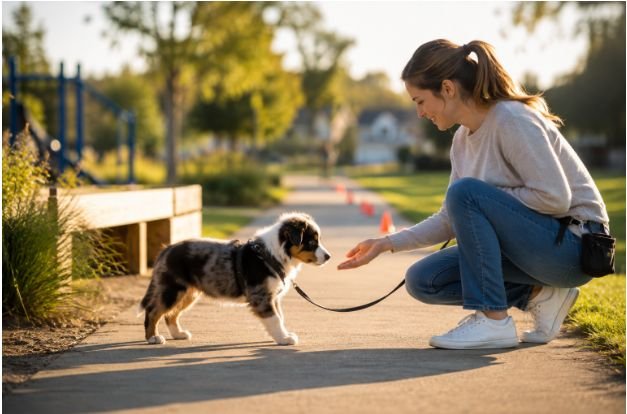
    Socialization should create positive experiences, not forced interaction. Let the dog observe different people, surfaces, noises, vehicles, and environments from a comfortable distance.

    My Carolina Dog Family Fit Test

    I use a seven-point test when evaluating whether a distinctive breed fits family life. Give your household one point for every statement that feels realistic:

    • We can provide structured activity every day.
    • We have secure outdoor boundaries.
    • We will continue training after puppyhood.
    • Our children understand respectful dog handling.
    • We can manage introductions to existing pets.
    • We accept reserved behavior around visitors.
    • We can provide quiet space when the dog feels overwhelmed.

    A score of six or seven suggests a promising lifestyle match. Four or five means the family should prepare carefully. Three or fewer suggests another breed may integrate more easily.

    This is not a scientific temperament test. It is a decision tool that exposes routine conflicts before adoption.

    Living Space, Grooming, and Daily Care

    People sometimes assume is a Carolina Dog a good family pet depends on owning a large rural property. Space helps, but reliable exercise and management matter more.

    Apartment living may work for a settled adult with enough outdoor activity. However, frequent hallway encounters, elevators, unfamiliar dogs, and limited off-leash space can make management harder.

    The short coat is relatively simple to maintain. Regular brushing removes loose hair and allows owners to check the skin, ears, paws, and body condition. Nail trimming, dental care, parasite prevention, and veterinary examinations remain necessary.

    How to Choose the Right Carolina Dog

    Temperament varies between individuals. Meet the dog more than once and observe its recovery after unfamiliar sounds, people, or environments.

    Ask a rescue or breeder about behavior around children, dogs, cats, visitors, handling, food, crates, and car travel. Request specific examples rather than accepting vague labels such as “friendly.”

    Prospective owners should also request documented health screening information when choosing a breeder. The Orthopedic Foundation for Animals advises buyers to review parental screening records and research breed-related health concerns.

    An adult rescue can offer one advantage: its energy level, size, and core behavior may be easier to evaluate than those of a young puppy.

    Frequently Asked Questions

    1. Are Carolina Dogs aggressive with family members?

    Human aggression is not a desirable breed trait, but poor socialization, fear, pain, or unsuitable handling can create behavioral problems in any dog.

    2. Is a Carolina Dog good for first-time owners?

    A committed beginner may succeed with professional support, although the breed’s independence, reserve, and prey drive often suit experienced owners better.

    3. Can a Carolina Dog live with cats?

    Some can live with familiar cats after careful introductions, but their prey drive means owners should never assume every Carolina Dog will be safe.

    4. Is a Carolina Dog a good indoor dog?

    Yes, provided it receives enough exercise, enrichment, training, and outdoor access. Indoor living does not replace the breed’s need for purposeful activity.

    Adventure Partner or Household Chaos? You Decide

    Ultimately, is a Carolina Dog a good family pet? Yes, when the family values loyalty, independence, outdoor activity, and patient training. No, when the household wants a highly social dog requiring little structure.

    Before adopting, compare your real schedule with the seven-point fit test. Choose the individual dog whose behavior matches your household, not simply the breed’s striking appearance.

  • Carolina Dog Temperament and Personality Traits

    Carolina Dog Temperament and Personality Traits

    A Carolina Dog rarely gives instant affection to everyone who enters the room. This observant breed studies people first, decides who feels safe, and then forms remarkably strong bonds.

    Understanding Carolina Dog temperament and personality traits means looking beyond labels such as shy, stubborn, or wild. These dogs are intelligent, cautious, independent, and deeply devoted. Their unusual behavior often reflects survival instincts rather than poor temperament.

    What Is a Carolina Dog’s Temperament Really Like?

    What Is a Carolina Dog’s Temperament Really Like?

    The typical Carolina Dog is reserved with strangers but affectionate with trusted family members. The American Kennel Club describes the breed as naturally shy and suspicious. It also notes that this caution usually disappears after the dog accepts someone into its pack.

    That distinction matters. A Carolina Dog may step away from an unfamiliar visitor without showing aggression. Another may quietly watch from across the room before approaching.

    I would never judge this breed by its behavior during the first five minutes of a meeting. Its personality becomes clearer after trust begins to form.

    Primitive Does Not Mean Aggressive

    People often call the Carolina Dog a primitive breed or “American Dingo.” The term describes its historical development and retained natural behaviors. It does not mean the dog is untamable or automatically dangerous.

    The breed’s ancestors lived with limited human control in isolated parts of the southeastern United States. Smithsonian reporting connected free-ranging Carolina Dogs with research into early dogs in the Americas.

    That background helps explain their environmental awareness, self-preservation, hunting instincts, and careful approach to unfamiliar situations.

    Loyalty Must Be Earned

    Carolina Dogs often reserve their strongest affection for a small inner circle. Once they accept someone, they may follow that person between rooms, rest nearby, and monitor changes around the home.

    Their loyalty can feel more deliberate than automatic. I see it as a relationship built through consistency rather than constant attention or forced affection.

    Core Carolina Dog Personality Traits

    Core Carolina Dog Personality Traits

    The most recognizable Carolina Dog temperament and personality traits come from the breed’s ability to survive, observe, and cooperate without depending entirely on people.

    Independent Thinking

    Carolina Dogs are intelligent, but their intelligence may not resemble obedience-based intelligence. They assess situations and make their own choices.

    A retriever may repeat an exercise because praise feels rewarding. A Carolina Dog may first decide whether the exercise has a useful purpose. This independent thinking can make training slower, but it also makes the breed an impressive problem-solver.

    Owners must secure gates, trash containers, food storage areas, and weak points in fencing. A bored Carolina Dog may invent its own activity.

    Strong Pack Attachment

    Pack orientation sits at the center of Carolina Dog personality. These dogs often develop close bonds with people and familiar animals.

    The Spruce Pets describes them as loyal, gentle, playful, and highly pack-oriented. It also notes that they may struggle in homes where they spend long periods alone.

    They may enjoy sharing a home with another compatible dog. However, owners should still introduce dogs carefully instead of assuming instant acceptance.

    Caution Around Strangers

    Reserved behavior is normal for this breed. Some Carolina Dogs avoid direct contact, watch visitors closely, or need several meetings before relaxing.

    Owners should not force greetings. I prefer allowing the dog to control the distance while the visitor ignores it. Calm behavior, treats tossed nearby, and repeated neutral experiences can build trust.

    Caution becomes concerning when it turns into persistent panic, lunging, snapping, or an inability to recover. Those behaviors deserve support from a qualified trainer or veterinary behaviorist.

    High Prey Drive

    A strong prey drive is one of the most important Carolina Dog temperament and personality traits for prospective owners to understand.

    Fast-moving animals can trigger chasing. Squirrels, rabbits, birds, and unfamiliar cats may attract intense attention. Reliable behavior indoors does not guarantee safe off-leash behavior outdoors.

    A secure fence and a leash provide essential protection. An invisible boundary may not stop a determined dog once the chase begins.

    Carolina Dog Behavior Around Families

    Carolina Dogs can become affectionate family companions, but they suit households that respect canine boundaries and value predictable routines.

    Living With Children

    A well-socialized Carolina Dog may be gentle and playful with children. Calm, older children often make the easiest match because they can understand body language and personal space.

    No child should climb on the dog, disturb it while sleeping, or remove food and toys. Adults should supervise interactions regardless of breed.

    A dog that walks away is communicating clearly. Children should learn to let it leave.

    Living With Other Dogs

    Many Carolina Dogs enjoy canine companionship because of their social, pack-oriented nature. They may play, rest, and patrol the yard together.

    Compatibility still depends on age, sex, social history, resource guarding, and individual personality. Introductions on neutral ground usually work better than bringing an unfamiliar dog directly into the home.

    Living With Cats and Small Pets

    Some Carolina Dogs can live peacefully with cats, especially when raised with them. Others retain too much prey drive for safe, unsupervised contact.

    Pocket pets, backyard poultry, rabbits, and free-roaming cats face greater risk. Management must reflect the individual dog’s behavior, not optimistic assumptions.

    Exercise, Enrichment, and Home Life

    Exercise, Enrichment, and Home Life

    PetMD describes Carolina Dogs as intelligent and athletic animals that need daily exercise and mental stimulation. It also notes that they may appear standoffish around unfamiliar people and pets while remaining loyal to those they know.

    Most adults benefit from approximately 45 to 90 minutes of daily activity. Age, health, weather, and fitness should shape the exact amount.

    A useful routine can combine a brisk walk, sniffing time, structured play, and a short training session. Sniffing matters because it lets the dog gather information and use natural behavior.

    A secure yard provides space, but it does not replace shared exercise. These dogs need engagement, not only square footage.

    Training a Carolina Dog Successfully

    The best training approach uses patience, positive reinforcement, and clear boundaries. Harsh punishment may increase suspicion and damage trust.

    I would begin with practical skills:

    • Responding to a name
    • Coming when called on a long line
    • Waiting at doors
    • Leaving dropped objects
    • Settling on a mat
    • Accepting a leash and harness

    Keep sessions short and purposeful. Three focused minutes can produce better results than 20 minutes of repetition.

    Socialization should also focus on quality rather than forced contact. A puppy does not need to greet every person. It needs to observe different people, places, sounds, surfaces, and animals without feeling trapped.

    The Three-Zone Carolina Dog Fit Test

    My practical fit test separates household compatibility into three zones.

    The green zone includes active owners with secure fencing, predictable routines, patient training habits, and respect for independent behavior. These homes are usually well suited to the breed.

    The yellow zone includes homes with cats, young children, frequent visitors, or long workdays. Success may be possible, but it requires careful selection and strong management.

    The red zone includes owners who want immediate friendliness, effortless off-leash reliability, minimal exercise, or unquestioning obedience. The Carolina Dog may become frustrating in that environment.

    This test adds more value than asking whether the breed is simply “good” or “bad.” Temperament always interacts with lifestyle.

    Frequently Asked Questions

    1. Are Carolina Dogs affectionate with their owners?

    Yes. They often become deeply affectionate after accepting someone as part of their trusted pack.

    2. Are Carolina Dogs aggressive toward strangers?

    They are usually cautious or aloof rather than automatically aggressive, although socialization and individual history influence behavior.

    3. Is the Carolina Dog temperament suitable for beginners?

    Some first-time owners succeed, but the breed generally suits patient people who understand independent dogs and positive training.

    4. Can Carolina Dogs live with other pets?

    They often enjoy compatible dogs, but their prey drive can make cats, rabbits, birds, and other small animals a difficult match.

    Wild at Heart, Loyal by Choice

    The most appealing Carolina Dog temperament and personality traits come as a package. Independence supports clever problem-solving. Caution creates alertness. Pack instincts produce profound loyalty. Prey drive brings athletic intensity.

    Those qualities can feel challenging in the wrong home and extraordinary in the right one.

    Before adopting, spend time with the individual dog outside a single brief meeting. Watch how quickly it recovers from unfamiliar sounds, accepts handling, responds to food, and reconnects with its caregiver. That real-world observation will reveal far more than a breed label alone.