Category: Food and Nutrition

  • Healthy Human Food Toppers for Dog Kibble That Turn Boring Bowls Into Tail-Wagging Meals

    Healthy Human Food Toppers for Dog Kibble That Turn Boring Bowls Into Tail-Wagging Meals

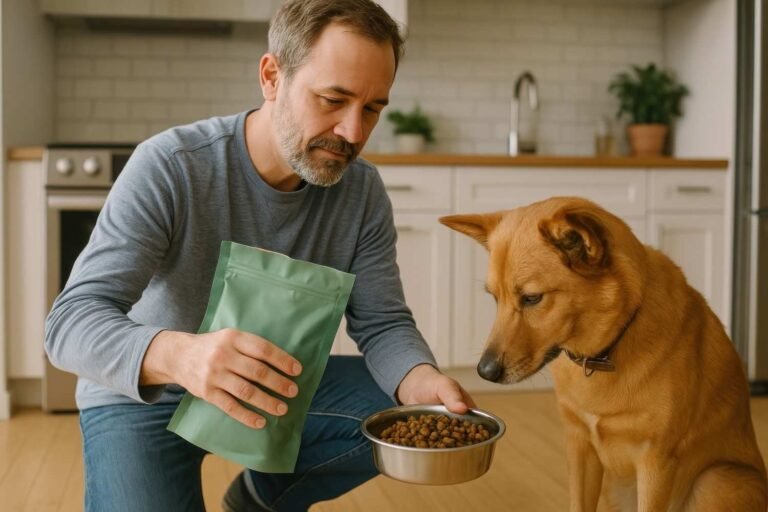
    I have seen plenty of dogs act excited at mealtime, only to sniff their kibble and walk away like the menu has personally offended them. That does not always mean the food is bad. Sometimes, the bowl simply needs more aroma, moisture, texture, or variety. 

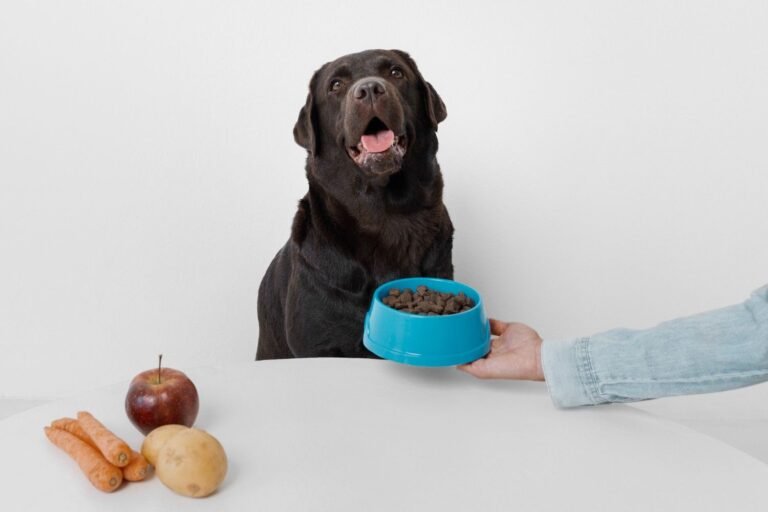
    The right healthy human food toppers for dog kibble can transform an ordinary meal with simple additions such as plain chicken, cooked eggs, pumpkin, blueberries, or warm broth.

    The goal is not to replace a complete and balanced dog food or cover every meal with leftovers. I use toppers as a small finishing touch that can encourage picky eaters, add hydration, and introduce useful nutrients without disrupting the overall diet. When portions stay controlled and ingredients remain plain, even one spoonful can make dinner far more appealing.

    Why Should You Add Human Food to Dry Dog Food?

    Dry kibble is convenient, shelf-stable, and formulated to meet a dog’s nutritional needs when its label carries an appropriate complete-and-balanced statement. However, some dogs lose interest in the same aroma and texture every day.

    A small topper can release more aroma, soften the kibble, increase moisture intake, and make mealtime more engaging. Natural dog food toppers may also provide specific nutrients such as protein, fiber, antioxidants, or omega-3 fatty acids.

    Toppers can be especially useful for picky dogs, seniors that prefer softer meals, or pets that need encouragement to eat. A sudden loss of appetite, however, should never be dismissed as ordinary pickiness. Dental pain, nausea, illness, stress, or medication side effects may reduce a dog’s interest in food.

    How Much Human Food Can You Add to Kibble?

    How Much Human Food Can You Add to Kibble?

    I follow the 10% rule whenever I add fresh food to a dog’s regular diet. Treats, table foods, and toppers combined should generally provide no more than 10% of the dog’s total daily calories. The other 90% should come from an appropriate complete and balanced food.

    This rule refers to calories, not the physical amount sitting in the bowl. One spoonful of lean pumpkin contains far fewer calories than the same amount of cheese, ground beef, or peanut butter.

    Portion size should also reflect the dog’s weight, age, activity level, and health. A serving that suits a Labrador Retriever may overwhelm a Chihuahua’s calorie allowance. When a topper contributes meaningful calories, reduce the kibble portion accordingly.

    What Are the Best Protein Toppers for Dog Kibble?

    Boiled Chicken or Turkey

    Plain, skinless chicken or turkey provides high-quality protein and essential amino acids that support muscle maintenance. I cook the meat completely, remove the bones and skin, trim visible fat, and shred it into small pieces.

    Avoid rotisserie chicken, deli turkey, gravy, and seasoned leftovers. These products often contain excessive sodium, fat, onion, garlic, or spices.

    Plain Cooked Eggs

    Scrambled or hard-boiled eggs offer protein, amino acids, selenium, and other nutrients. Always cook eggs thoroughly and serve them without butter, oil, cheese, salt, or seasoning.

    An entire egg may add too many calories for a toy breed, so crumble a small amount over the food rather than automatically serving a whole egg.

    Sardines Packed in Water

    Sardines can provide protein and omega-3 fatty acids that support normal skin, coat, brain, and joint function. Select sardines packed in water with no added salt, oil, sauce, or seasoning.

    A whole sardine may suit a larger dog but could be excessive for a small dog. Measure the portion according to the dog’s size and daily calorie needs.

    Cooked Salmon or Lean Beef

    Plain, fully cooked, boneless salmon offers another source of protein and omega-3 fats. Lean ground beef can also tempt a reluctant eater when cooked thoroughly and drained.

    Never use fried fish, taco meat, hamburger patties, meatloaf, or meat prepared with sauces, garlic, onions, or heavy seasoning.

    Which Toppers Add Hydration and Support Digestion?

    Low-Sodium Bone Broth

    Dog-safe bone broth can soften dry food, release its aroma, and increase moisture intake. Choose an unsalted or low-sodium product made without onions, garlic, leeks, chives, concentrated flavorings, or unsafe spices.

    Bone broth may support hydration, but it should not be promoted as a treatment for kidney disease. Dogs with kidney problems may require carefully controlled levels of sodium, phosphorus, protein, and other nutrients.

    Warm water offers a simpler zero-calorie alternative. Pour a small amount over the kibble, allow it to soften, and serve it promptly.

    Plain Yogurt or Kefir

    Plain, unsweetened yogurt or kefir may provide live cultures that support digestive health in dogs that tolerate dairy. Read the label carefully and avoid products containing xylitol, artificial sweeteners, added sugar, chocolate, or flavored syrups.

    Not every dog digests lactose well. Start with a very small amount and stop if the dog develops gas, bloating, vomiting, or diarrhea.

    Pure Pumpkin Puree

    Pure Pumpkin Puree

    Plain canned pumpkin adds fiber, moisture, and beta-carotene. It may help support normal stool consistency in some dogs, although it cannot treat every cause of diarrhea or an upset stomach.

    Use 100% pumpkin rather than pumpkin pie filling. Pie filling may contain sugar, fat, and spices that do not belong in a dog’s bowl. Too much pumpkin can also cause digestive discomfort, so begin with a modest amount.

    What Fruits and Vegetables Can You Put on Kibble?

    Blueberries

    Fresh or frozen blueberries deliver fiber and antioxidants while adding a naturally sweet flavor. Wash them first and mash or cut them for small dogs or dogs that swallow food quickly.

    Carrots and Green Beans

    Plain carrots provide fiber and beta-carotene, which the body can convert into vitamin A. Serve them finely chopped, grated, or lightly steamed.

    Fresh, frozen, or no-salt-added green beans add crunch and volume with relatively few calories. Avoid buttered vegetables and green bean casserole.

    Cooked Sweet Potato

    Plain cooked sweet potato supplies fiber and carbohydrates. Steam, bake, or boil it, remove tough skin when necessary, and mash a small portion into the kibble.

    Do not add butter, brown sugar, marshmallows, salt, or holiday-style seasoning.

    Apples and Bananas

    Apple pieces can provide fiber and crisp texture. Remove the stem, core, and all seeds before serving. A small amount of mashed banana can make kibble more appealing, but its natural sugar and calories make portion control important.

    How Do You Prepare Homemade Dog Food Toppers Safely?

    Keep every ingredient plain. Skip salt, pepper, butter, cooking oil, sauces, gravy, garlic, onions, and spice blends. Human recipes often become unsafe for dogs because of the seasonings rather than the main ingredient.

    Introduce only one new topper at a time. Begin with a tiny portion and observe the dog for several days before increasing it or testing another food. This approach makes it easier to identify the cause of itching, vomiting, diarrhea, gas, ear irritation, or other reactions.

    Store cooked ingredients safely in the refrigerator and discard spoiled food. Once you add water, broth, meat, dairy, or vegetables to kibble, do not leave the meal sitting at room temperature for an extended period.

    Which Human Foods Should Never Be Used as Toppers?

    Never add chocolate, grapes, raisins, onions, garlic, chives, xylitol, macadamia nuts, alcohol, caffeine, raw yeast dough, or cooked bones to a dog’s meal.

    Greasy table scraps, fatty meat trimmings, spicy foods, salty sauces, sugary desserts, and highly processed meats should also stay out of the bowl. Even ingredients that appear safe can become risky when mixed with toxic seasonings or excessive fat.

    When Should You Ask a Veterinarian About Toppers?

    When Should You Ask a Veterinarian About Toppers?

    Speak with a veterinarian before regularly changing the diet of a puppy, pregnant dog, senior dog, or a dog with diabetes, obesity, pancreatitis, kidney disease, liver disease, urinary disease, food allergies, or chronic digestive trouble.

    Dogs eating prescription veterinary diets need particular caution. An innocent-looking topper may interfere with the diet’s intended nutrient levels or introduce an ingredient the veterinarian is trying to eliminate.

    Frequently Asked Questions (FAQs)

    1. Can I Add Human Food to My Dog’s Kibble Every Day?

    Yes, suitable toppers may be used regularly when portions remain controlled and the dog tolerates them. Keep all extras within the daily calorie allowance.

    2. What Is the Healthiest Topper for a Picky Dog?

    There is no single best choice. Plain chicken, cooked egg, pumpkin, green beans, warm water, or dog-safe broth may work depending on the dog’s health and calorie needs.

    3. Are Healthy Human Food Toppers for Dog Kibble Necessary?

    No. A dog eating an appropriate complete and balanced food does not usually need a topper for nutritional completeness. Toppers mainly add moisture, flavor, texture, and variety.

    4. Can Puppies Eat Kibble Toppers?

    Puppies have precise nutritional requirements for growth. Ask a veterinarian before adding toppers regularly, particularly for large-breed puppies or puppies with medical conditions.

    Make Every Bowl Better Without Unbalancing It

    I see healthy human food toppers for dog kibble as a finishing touch rather than the foundation of the meal. Plain chicken, eggs, sardines, pumpkin, yogurt, blueberries, carrots, sweet potatoes, bone broth, or warm water can make kibble more appealing when served carefully. Softer toppers may also complement the best dog food for senior dogs with no teeth by adding moisture and making meals easier to eat.

    Start with one simple ingredient, keep it plain, measure the calories, and watch how the dog responds. The best topper is not the most expensive or elaborate option. It is the one that safely adds enjoyment while allowing complete and balanced dog food to remain the nutritional foundation.

  • Best Sensitive-Stomach Dog Food for Chihuahuas: Gentle US Picks

    Best Sensitive-Stomach Dog Food for Chihuahuas: Gentle US Picks

    A Chihuahua’s digestion can react quickly to a new recipe, rich table scraps, or an ingredient that does not agree with them. When I shop for the best dog food for a chihuahua with a sensitive stomach, I focus on complete nutrition, a named protein, digestible carbohydrates, moderate fat, supportive fiber, and kibble that fits a toy-sized mouth. 

    Persistent vomiting, diarrhea, weight loss, or poor appetite deserves veterinary attention because food is only one possible cause.

    What Is the Best Sensitive-Stomach Food for a Chihuahua?

    My strongest general pick for a healthy adult is Purina Pro Plan Sensitive Skin & Stomach Small Breed Salmon & Rice Formula. It uses salmon, includes natural prebiotic fiber, and comes in small-breed kibble. Purina also states that the formula supports stool quality and digestive health.

    Hill’s Science Diet Sensitive Stomach & Skin Small & Mini is a practical alternative when a Chihuahua tolerates chicken. Hill’s describes it as highly digestible and includes prebiotic fiber, omega fatty acids, and antioxidants.

    For dogs that do poorly on chicken-based recipes, Blue Buffalo Basics Small Breed Turkey & Potato offers a chicken-free, limited-ingredient option with deboned turkey and digestible carbohydrates. “Limited ingredient” does not mean allergy-proof. A dog can still react to turkey, potato, treats, or flavored medication.

    If symptoms continue, I would ask a veterinarian about a hydrolyzed or novel-protein elimination diet rather than trying one retail formula after another. These trials require strict control of treats, supplements, medications, and flavored products.

    Which Ingredients Should I Prioritize for Sensitive Digestion?

    Which Ingredients Should I Prioritize for Sensitive Digestion?

    I first check the nutritional adequacy statement. In the United States, a food labeled “complete and balanced” is intended to provide the nutrients required as a sole diet for the stated life stage. A puppy needs a growth-appropriate formula, while a healthy adult usually needs adult-maintenance food.

    A named, well-tolerated protein such as salmon, turkey, lamb, or chicken makes the diet easier to evaluate. A novel protein helps only when it is genuinely new to that dog. White rice and oatmeal are common, easily digestible carbohydrate sources.

    I do not automatically reject grains. Wheat is only a problem when the individual dog reacts to it. Prebiotic fibers such as dried beet pulp, chicory root, or fructooligosaccharides can nourish selected intestinal bacteria and support digestive health.

    Small toy-breed kibble is also easier for a Chihuahua to pick up and chew. However, kibble size alone cannot prevent choking, especially when a dog eats too quickly.

    What Ingredients Can Upset a Chihuahua’s Stomach?

    Rich, high-fat meals can trigger vomiting or diarrhea in some dogs, and a veterinarian may recommend a lower-fat diet for certain gastrointestinal conditions. Fat remains an essential nutrient, so I look for an appropriate level rather than simply choosing the lowest number on the label.

    I also prefer clearly identified animal ingredients. “Chicken meal” or “turkey meal” is not automatically poor quality. The key during a food trial is knowing the protein source. Vague descriptions such as unspecified animal derivatives make potential triggers harder to identify.

    Unnecessary artificial colors and flavors add no nutritional or digestive benefit. Dairy may cause gas, bloating, or loose stool in dogs that do not tolerate lactose.

    Wheat should not be treated as a universal allergen, and grain-free food is not automatically gentler. I would remove an ingredient only when the dog’s history or a veterinarian-supervised elimination trial suggests that it is causing the problem.

    Is Wet or Dry Food Better for a Sensitive Chihuahua?

    Is Wet or Dry Food Better for a Sensitive Chihuahua?

    Neither format suits every dog. Dry small-breed food offers easy portioning, convenient storage, and appropriately sized pieces. Wet food adds moisture and may appeal to picky dogs or Chihuahuas with dental discomfort.

    I compare the complete recipe, calories, life-stage statement, and serving size rather than judging food by texture alone. Because Chihuahuas eat small portions, even a minor measuring error can add unnecessary calories. I measure meals carefully and account for treats.

    How Should I Switch a Chihuahua to New Food?

    A sudden food change may worsen vomiting, diarrhea, gas, or appetite loss. I normally mix a small amount of the new recipe into the old food and increase it gradually over about seven to ten days. A dog with an especially sensitive digestive tract may need a slower transition.

    During the change, I track stool consistency, gas, scratching, vomiting, and appetite. I also avoid adding new treats or supplements because too many simultaneous changes make it difficult to identify what helped or caused the reaction.

    What Can I Give a Chihuahua for a Temporary Upset Stomach?

    For a mild, short-lived episode, and only after a veterinarian says home care is appropriate, small meals of plain boiled skinless chicken breast and boiled white rice may be used temporarily.

    The chicken must be fully cooked without oil, salt, bones, butter, sauces, or seasoning. Do not use chicken when a food allergy or intolerance is suspected.

    Plain canned pumpkin—not sweetened pumpkin pie filling—can add soluble fiber and may help some dogs with loose stool. Use a veterinarian-approved amount because too much fiber can make digestive symptoms worse. Chicken, rice, and pumpkin are temporary options, not complete long-term diets.

    When Does a Chihuahua Need a Veterinarian?

    When Does a Chihuahua Need a Veterinarian?

    Call a veterinarian promptly for repeated vomiting, blood in vomit or stool, severe diarrhea, weakness, abdominal pain, dehydration, refusal to eat or drink, or unexplained weight loss.

    Puppies, senior Chihuahuas, and dogs with existing medical conditions may deteriorate faster. Vomiting combined with diarrhea, lethargy, or poor appetite may require urgent care.

    Frequently Asked Questions (FAQs)

    1. What Is the Best Dry Food for a Chihuahua With Diarrhea?

    The best dog food for a chihuahua with sensitive stomach and diarrhea depends on the cause. A digestible small-breed formula may help mild food-related sensitivity, but parasites, infection, pancreatitis, or another illness requires diagnosis.

    2. Is Chicken Bad for Chihuahuas With Sensitive Stomachs?

    No. Many Chihuahuas tolerate chicken without difficulty. Avoid it when repeated reactions or a veterinarian-supervised elimination trial indicates that chicken is a trigger.

    3. Can a Chihuahua Eat Chicken, Rice, and Pumpkin Every Day?

    Not as an unbalanced homemade diet. These foods may support short-term recovery when a veterinarian approves them, but they do not reliably provide complete nutrition for everyday feeding.

    4. Are Grain-Free Foods Better for Sensitive Chihuahuas?

    Not necessarily. Rice and oatmeal can be gentle carbohydrate sources for many dogs. Choose grain-free food only when a veterinarian identifies a specific reason to avoid grains.

    A Gentler Feeding Plan Starts With the Right Match

    I would choose the best dog food for a Chihuahua with a sensitive stomach by matching the formula to the dog’s age, symptoms, protein history, calorie needs, and veterinary findings. Start with a complete and balanced small-breed recipe, transition slowly, and use a dog feeding chart by weight in pounds as an initial portioning guide. Measure meals accurately, monitor your dog’s body condition, and seek veterinary help when symptoms persist.

  • Dog Feeding Chart by Weight in Pounds: Find the Perfect Bowlful

    Dog Feeding Chart by Weight in Pounds: Find the Perfect Bowlful

    Feeding a dog should be simple, yet the numbers on a kibble bag can become confusing. I created this dog feeding chart by weight in pounds to give US dog owners a practical starting point for adults, puppies, and seniors. 

    An adult may need roughly ⅓ cup to more than 4½ cups of dry food daily, but weight is not the only factor. Age, activity, body condition, health, treats, and calories per cup all affect the correct portion.

    Every amount below covers 24 hours. Divide the total between meals and check the feeding instructions on your specific food before deciding how much to serve.

    How Much Dry Food Should an Adult Dog Eat Daily?

    How Much Dry Food Should an Adult Dog Eat Daily?

    Purina explains that package charts show daily recommendations and that portions differ among formulas because calorie density varies. Most healthy adults do well when the daily amount is split between two meals.

    Adult dog weight Daily dry food amount
    3–12 pounds ⅓–1 cup
    13–20 pounds 1–1⅓ cups
    21–35 pounds 1⅓–2 cups
    36–50 pounds 2–2⅔ cups
    51–75 pounds 2⅔–3⅓ cups
    76–100 pounds 3⅓–4¼ cups
    Over 100 pounds 4¼ cups, plus ¼ cup per 10 pounds over 100

    Treat the table as a baseline. PetMD’s adult example uses food with about 379 calories per cup and shows somewhat higher portions. Two reputable charts can therefore disagree when they are based on foods with different calorie densities.

    How Do I Convert Dog Food Calories Into Cups?

    Find the “Calorie Content” statement on the package. AAFCO says it should list kilocalories per kilogram and per familiar unit, such as a cup or can. Complete and balanced foods must also carry feeding directions based on weight and life stage.

    Daily calorie target ÷ calories per cup = cups per day

    If your dog needs 800 calories and the kibble contains 400 calories per cup, serve two cups daily. A 500-calorie-per-cup formula would provide the same energy in 1.6 cups. Recheck this number whenever you switch foods.

    How Much Should I Feed a Puppy by Age?

    How Much Should I Feed a Puppy by Age?

    Puppies need extra energy for growth. Use expected adult weight, not only current weight, to find the starting portion. Divide the daily total into three or four meals for young puppies. Large-breed puppies need food formulated for controlled growth and may stay on puppy food longer.

    Expected adult weight 1½–3 months 4–5 months 6–8 months 9–11 months
    3–12 pounds ½–1 cup ⅔–1⅓ cups ½–1½ cups Feed as adult
    13–20 pounds ½–1¼ cups 1⅛–2 cups ¾–1⅓ cups 1–1½ cups
    21–50 pounds ½–1½ cups 1½–2¾ cups 1⅛–2⅓ cups 2–3 cups
    51–75 pounds ⅝–2⅓ cups 1½–4 cups 1½–3¾ cups 2½–4¾ cups
    76–100 pounds 1–2⅔ cups 2⅞–3¾ cups 2⅞–6⅓ cups 3⅞–7 cups

    These are generic ranges. Merck uses higher energy multipliers for growing puppies than adults but emphasizes that every calorie calculation remains a starting estimate.

    How Much Food Does a Senior Dog Need?

    Older dogs often become less active and may need fewer calories. However, age alone does not justify cutting portions. Some seniors lose muscle or develop health conditions that require a different diet rather than simply less food. PetMD’s senior chart below is based on a formula containing 423 calories per cup.

    Senior dog weight Daily dry food amount
    3–12 pounds ⅓–1 cup
    13–20 pounds 1–1¼ cups
    21–35 pounds 1⅓–2 cups
    36–50 pounds 2–2⅓ cups
    51–75 pounds 2⅓–3 cups
    76–100 pounds 3–3⅔ cups
    Over 100 pounds 4 cups, plus ¼ cup per 10 pounds over 100

    Monitor body weight, muscle condition, mobility, and appetite. Unexplained weight loss, chewing difficulty, or sudden appetite changes deserve veterinary attention.

    Should Active or Indoor Dogs Get Different Portions?

    Should Active or Indoor Dogs Get Different Portions?

    Working, endurance, and highly active dogs may require considerably more energy than household pets. Nursing dogs have especially high needs and may require two to four times normal adult calories at peak lactation, so they need an individualized plan.

    A sedentary, indoor, neutered, or obesity-prone dog may need less than the package estimate. Reducing the starting amount by about 10% can be reasonable, followed by gradual adjustments. Merck notes that some dogs maintain ideal condition on 10%–30% less food than the label recommends.

    How Can I Tell Whether I Am Feeding Enough?

    At an ideal body condition, you should feel the ribs beneath a light fat covering, see a waist from above, and notice an abdominal tuck from the side. WSAVA’s body condition chart provides a useful visual reference.

    Measure kibble with a standard 8-fluid-ounce cup or a digital kitchen scale. Count treats too. Veterinary guidance recommends keeping treats below 10% of daily calories so at least 90% comes from complete and balanced food.

    Frequently Asked Questions (FAQs)

    1. Is a Dog Feeding Chart Per Meal or Per Day?

    It usually shows the entire daily amount. Divide it between two adult meals or several smaller puppy meals.

    2. Should I Use My Dog’s Current or Ideal Weight?

    Use ideal weight when possible, especially for an overweight or underweight dog. Ask your veterinarian to establish an appropriate target.

    3. Can I Use This Chart for Wet Dog Food?

    No. Wet, fresh, and dry foods contain different calories. Calculate portions from calories per can, pouch, ounce, or cup.

    4. How Accurate Is a Dog Feeding Chart by Weight in Pounds?

    It offers a useful starting estimate, but calorie density, age, activity, body condition, treats, and health determine the final portion.

    Final Takeaway

    I would begin with the chart and package directions, divide the total into scheduled meals, and reassess body condition every two to four weeks. This approach is especially important when choosing the best dog food for senior dogs with no teeth, since texture, calorie density, and ease of eating can affect portion sizes. The best dog feeding chart by weight in pounds is not the one with the most exact-looking number; it is the one you adjust as your dog’s needs and food change.

  • Homemade Dog Treats Without Flour or Oats: 7 Easy Recipes 

    Homemade Dog Treats Without Flour or Oats: 7 Easy Recipes 

    Who says dog treats need flour, oats, or a bowl full of complicated ingredients? I found that homemade dog treats without flour or oats can still be chewy, crunchy, frozen, or protein-rich when you use simple foods such as sweet potato, eggs, lean meat, pumpkin, fruit, and dog-safe peanut butter.

    These recipes skip wheat flour, oat flour, rolled oats, coconut flour, and other powdery substitutes. Instead, they rely on natural ingredients that bind, bake, freeze, or dehydrate beautifully. From slow-baked sweet potato chews to chilled apple pops and savory meat bites, every option is easy to make with ingredients available in most US grocery stores.

    Before getting started, always read ingredient labels carefully. Peanut butter must contain no xylitol, also called birch sugar, and broth should be free from onion, garlic, excessive sodium, and heavy seasoning.

    Can You Really Make Dog Treats Without Any Flour?

    Traditional biscuits use flour to absorb moisture and create a rollable dough. Flour-free dog treats rely on other binding methods.

    Eggs hold meat and vegetables together during baking. Mashed sweet potato and pumpkin add body, while bananas create a creamy base for frozen treats. Meat firms naturally as it cooks, and coconut oil solidifies when chilled.

    These treats may not look exactly like commercial dog biscuits. Some remain soft, chewy, or frozen, but most dogs care more about flavor than appearance.

    1. How Do You Make Baked Sweet Potato Dog Chews?

    Sweet potato chews require one ingredient and provide a chewy alternative to heavily processed snacks.

    Preheat your oven to 250°F. Wash and peel one large sweet potato, then slice it lengthwise into strips about ¼-inch thick. Place the slices flat on a parchment-lined baking sheet without overlapping them.

    Bake for 2½ to 3 hours, flipping each piece halfway through. Thin slices become firmer, while thicker slices remain chewier. Let them cool completely before serving.

    Store moist or chewy pieces in the refrigerator and use them within several days. Watch your dog while chewing, especially if you make larger strips.

    2. Are Frozen Peanut Butter and Coconut Oil Treats Safe?

    Are Frozen Peanut Butter and Coconut Oil Treats Safe?

    These rich frozen treats are easy to prepare, but both peanut butter and coconut oil are calorie-dense. I recommend using very small molds and serving them occasionally rather than treating them as an unlimited snack.

    Melt ½ cup of coconut oil with ½ cup of unsalted, xylitol-free peanut butter in a saucepan over low heat. Whisk until smooth, then pour the mixture into miniature silicone paw or bone molds.

    You may add ¼ teaspoon of turmeric, but it is optional and should not be presented as a treatment for joint disease. Ask your veterinarian before using turmeric if your dog takes medication or has an existing health condition.

    Freeze the molds flat for at least 30 minutes. Store the treats in the freezer and serve only a small piece at a time.

    3. How Do You Make Frozen Apple and Broth Popsicles?

    Apple and broth popsicles provide a refreshing option for warm summer days.

    Mix ½ cup of unsweetened applesauce with ½ cup of low-sodium chicken or bone broth. Check the broth label carefully because many products made for people contain onion, garlic, heavy seasoning, or excess sodium.

    Pour the mixture into a small ice cube tray or silicone mold. Freeze for approximately four hours or until completely firm.

    Serve the popsicles outdoors or in an easy-to-clean area because they melt quickly. Keep the remaining treats frozen in a sealed container.

    4. How Can You Make Meat and Egg Protein Bites?

    These savory grain-free dog treats create a firmer texture without flour or oats.

    Preheat your oven to 350°F. Combine one cup of cooked, finely shredded chicken or turkey with one whisked egg. Use plain, skinless, boneless meat without butter, salt, garlic, onion, or seasoning.

    Mix until the ingredients form a sticky paste. Press the mixture firmly into small silicone baking molds and bake for 15 to 20 minutes, or until the centers feel firm and the egg is fully cooked.

    Allow the bites to cool before serving. Refrigerate them in an airtight container and use them within three to four days, or freeze individual portions for later.

    5. Can You Make Pumpkin Dog Treats Without Flour?

    Can You Make Pumpkin Dog Treats Without Flour?

    Pumpkin and eggs create soft, easy-to-portion treats that work well for older dogs or small training rewards.

    Mix one cup of plain pumpkin puree with two eggs. Use pure pumpkin, not sweetened pumpkin pie filling. Spoon the mixture into miniature silicone molds and bake at 350°F for about 20 minutes.

    Let the treats cool completely before removing them. Because pumpkin contains moisture, refrigerate the finished bites and discard them if they develop an unusual odor, mold, or slimy texture.

    6. How Do You Make Frozen Banana Dog Treats?

    Mash one ripe banana and stir it into ½ cup of plain, unsweetened yogurt. You may add one tablespoon of xylitol-free peanut butter, although dogs that do not tolerate dairy or peanuts may need a simpler variation.

    Spoon the mixture into silicone molds and freeze for at least three hours. For a dairy-free version, blend banana with a small amount of pumpkin puree instead of yogurt.

    Serve these treats directly from the freezer and return leftovers before they soften.

    7. Are Watermelon Treats Good for Hot Weather?

    Watermelon makes a light frozen snack when you remove every seed and all of the rind.

    Blend two cups of seedless watermelon flesh until smooth. Pour the puree into miniature molds and freeze until solid. You can also mix in a spoonful of plain yogurt if your dog tolerates dairy.

    Offer small servings because fruit contains natural sugar and too much may cause digestive discomfort. Never let your dog chew watermelon rind.

    Which Ingredients Should Never Go Into Dog Treats?

    Avoid chocolate, grapes, raisins, onions, garlic, macadamia nuts, alcohol, raw yeast dough, and products containing xylitol. These common human foods can cause serious illness in dogs.

    Use unsweetened applesauce, plain yogurt, unseasoned meat, and low-sodium broth. Read labels instead of assuming a product is dog-safe.

    Homemade snacks should complement complete and balanced dog food, not replace it. Treats should generally account for no more than 10% of a healthy dog’s daily calories.

    How Should You Store Flour-Free Dog Treats?

    Refrigerate treats containing meat, eggs, pumpkin, sweet potato, yogurt, or broth. Most fresh recipes should be used within three to five days unless frozen.

    I like to freeze treats in small batches and thaw only what I expect to use over the next few days. Label each container with the preparation date and discard anything that smells unusual or develops mold, excess moisture, or a sticky surface.

    Frozen fruit and coconut oil treats should stay in the freezer until serving.

    Why Are My Flourless Dog Treats Falling Apart?

    Why Are My Flourless Dog Treats Falling Apart?

    A flourless mixture may crumble when it contains too much liquid or has not cooled completely.

    Press soft mixtures firmly into silicone molds rather than shaping them by hand. For baked recipes, an egg can improve binding. You can also reduce wet ingredients or extend the drying time at a low oven temperature.

    Let every batch cool before moving it. Baked meat and vegetable treats often become firmer as they rest.

    Frequently Asked Questions (FAQs)

    1. Are flour-free and oat-free treats healthier for every dog?

    Not necessarily. They can help avoid specific ingredients, but calories, fat, portion size, allergies, and medical conditions still matter. Ask your veterinarian before changing treats for a dog with health concerns.

    2. Can puppies eat these homemade treats?

    Healthy puppies can usually have tiny amounts of suitable ingredients, but treats must not replace nutritionally balanced puppy food. Introduce one new ingredient at a time.

    3. Can I make these recipes without peanut butter?

    Yes. Choose sweet potato chews, meat and egg bites, watermelon cubes, pumpkin bites, or apple and broth popsicles.

    4. How many homemade treats can I give my dog?

    The amount depends on your dog’s size, activity level, regular diet, and the calories in each treat. Keep each reward small and include it in your dog’s daily treat allowance.

    Simple Ingredients, Better Control

    I enjoy making homemade dog treats without flour or oats because I can control the ingredients, mold size, texture, and portion. I can also avoid hidden flour substitutes and prepare different options for training, warm weather, or occasional rewards. For older pets with dental limitations, I can adapt the texture to complement the best dog food for senior dogs with no teeth by making treats softer, smaller, and easier to chew.

    Start with an ingredient your dog already tolerates, introduce new foods gradually, and keep servings small. With careful label reading and proper storage, homemade dog treats without flour or oats can become a practical addition to your dog’s treat routine.

  • What Does Complete and Balanced Mean on Dog Food? The Label Claim Every Owner Should Understand 

    What Does Complete and Balanced Mean on Dog Food? The Label Claim Every Owner Should Understand 

    A dog food bag can make dozens of promises, but only a few phrases carry real nutritional weight. One of the most important is “complete and balanced.” So, what does complete and balanced mean on dog food? 

    It means the recipe is intended to deliver all the essential nutrients a dog needs in the right amounts for the life stage listed on the label. Still, that claim does not tell the whole story. Ingredient quality, digestibility, calorie density, and your dog’s individual needs can all affect whether the food is truly the right choice.

    What Does “Complete” Mean on a Dog Food Label?

    “Complete” means the food contains the recognized essential nutrients required by dogs. These include proteins, fats, amino acids, fatty acids, vitamins, minerals, and other nutritional components needed to support normal health.

    A complete diet is different from a treat, broth, topper, or food mixer. Those products may add flavor or variety, but they often do not contain everything a dog needs as its sole source of nutrition.

    The FDA explains that a product carrying a complete-and-balanced nutritional adequacy statement is intended to be fed as a pet’s sole diet.

    What Does “Balanced” Mean in Dog Nutrition?

    “Balanced” means the nutrients appear in appropriate amounts and ratios. A dog does not simply need individual nutrients. Its body also needs those nutrients to work together properly.

    Calcium and phosphorus provide a helpful example. Both minerals support healthy bones, but their amounts and relationship must be controlled carefully, especially in growing puppies. Too little can cause deficiencies, while excessive or poorly balanced levels can interfere with normal skeletal development.

    That is why randomly adding supplements to complete and balanced dog food can cause more harm than good. Extra calcium, vitamins, or minerals may disrupt a formula that was already designed to provide the correct nutrient balance.

    AAFCO summarizes the distinction clearly: complete food contains all required nutrients, while balanced food supplies them in the correct ratios.

    How Does Dog Food Earn a Complete and Balanced Claim?

    How Does Dog Food Earn a Complete and Balanced Claim?

    Pet food companies generally substantiate nutritional adequacy through formulation or feeding tests. You can identify the method by reading the nutritional adequacy statement on the back or side of the package.

    Formulated to Meet AAFCO Nutrient Profiles

    A statement may say that the food is formulated to meet the nutritional levels established by the AAFCO Dog Food Nutrient Profiles.

    This means the recipe has been designed to meet defined nutrient standards for a particular life stage. Manufacturers may use formulation calculations and laboratory analysis to assess the food’s nutritional composition.

    It does not necessarily mean the finished food underwent an animal feeding trial. However, formulation is a recognized way to substantiate a complete-and-balanced claim.

    Animal Feeding Tests Using AAFCO Procedures

    Another statement may say that animal feeding tests using AAFCO procedures substantiate the food’s nutritional adequacy.

    In this method, dogs eat the food during a controlled feeding study. Researchers monitor specified health measurements, food intake, weight, and physical condition over the trial period.

    Feeding trials provide practical evidence about how dogs respond to a finished food under study conditions. However, they do not prove that the product is ideal for every dog or nutritionally superior to every diet verified through formulation.

    Why Does the Listed Life Stage Matter?

    A food is complete and balanced only for the life stage named in its nutritional adequacy statement. A puppy, adult dog, pregnant dog, and nursing mother do not have identical nutritional requirements.

    AAFCO recognizes growth, adult maintenance, gestation and lactation, and all life stages as nutritional categories.

    Growth or Puppy Food

    Growth formulas support developing bones, muscles, organs, and immune function. They commonly provide higher concentrations of calories and key nutrients than adult maintenance diets.

    Owners of large-breed puppies should look for label language confirming that the food is appropriate for the growth of large-size dogs. These puppies need carefully managed calories and minerals to support steady skeletal development.

    Adult Maintenance Food

    Adult Maintenance Food

    Adult maintenance formulas are intended for mature, non-reproducing dogs. They aim to maintain healthy body condition and provide steady daily nutrition without meeting the higher requirements of puppy growth or reproduction.

    Gestation and Lactation Food

    Pregnant and nursing dogs have increased energy and nutrient needs. Foods intended for gestation and lactation are designed to support the mother and her developing or nursing puppies.

    All Life Stages Food

    All-life-stages food meets requirements that include demanding periods such as growth and reproduction. It may therefore work for puppies and adults, but that does not mean it is the best option for every senior, sedentary, or overweight dog.

    These formulas may contain more calories or certain nutrients than some adult dogs need. Owners still need to follow feeding directions and monitor body condition.

    Does Complete and Balanced Mean High Quality?

    No. Nutritional adequacy and overall product quality are related but different considerations.

    A food can meet recognized nutrient standards while still differing from another product in ingredient sourcing, manufacturing expertise, digestibility, calorie density, quality control, palatability, and research.

    The phrase also does not mean that every dog will digest the food equally well. Nutrient numbers on paper cannot fully predict how an individual dog’s digestive system will respond.

    I would also avoid judging food by phrases such as “premium,” “holistic,” “natural,” or “grain-free” alone. These claims do not replace the nutritional adequacy statement.

    WSAVA recommends looking beyond marketing and considering who formulates the food, what quality-control procedures the manufacturer follows, whether it conducts research, and whether it can provide detailed nutritional information.

    Is Guaranteed Analysis the Same as Nutritional Adequacy?

    The guaranteed analysis and nutritional adequacy statement tell you different things.

    The guaranteed analysis lists minimum or maximum percentages for selected components, commonly crude protein, crude fat, crude fiber, and moisture. These values can help compare foods, but they do not show whether every essential nutrient appears in the correct amount.

    Moisture also complicates direct comparisons. Canned food contains much more water than kibble, so the printed percentages should often be converted to a dry-matter basis before comparing products accurately.

    The nutritional adequacy statement tells you whether the food is designed to function as a complete diet for a stated life stage.

    Are Treats, Toppers, and Broths Complete and Balanced?

    Most treats, bone broths, freeze-dried mixers, raw toppers, and meal enhancers are not intended to replace a dog’s regular diet.

    Check the package for language such as “for intermittent or supplemental feeding only.” That statement means the product should not be used as the sole source of nutrition.

    For most healthy dogs, veterinarians commonly recommend keeping treats and nutritionally unbalanced extras to no more than about 10% of daily calories. This helps prevent weight gain and reduces the risk of diluting the main diet’s nutrient balance.

    Some toppers and fresh products are complete and balanced, so always check the label instead of assuming based on the product format.

    Can Fresh, Raw, or Homemade Food Meet the Standard?

    Can Fresh, Raw, or Homemade Food Meet the Standard?

    Fresh and commercial raw foods can qualify when they carry an appropriate nutritional adequacy statement. Their appearance or processing method alone does not determine whether they provide a balanced canine diet.

    Homemade dog food requires greater caution. A meal made with meat, vegetables, rice, and oil may look wholesome while still lacking calcium, essential fatty acids, trace minerals, or vitamins.

    For long-term homemade feeding, I recommend using a recipe formulated for the individual dog by a board-certified veterinary nutritionist. Changing ingredients or skipping a prescribed supplement can disrupt the recipe’s intended nutrient balance.

    How I Read a Dog Food Label Before Buying

    I begin with the nutritional adequacy statement and confirm that the formula matches my dog’s life stage. I then check the calorie content, feeding directions, manufacturer contact details, and whether the company can answer questions about formulation and quality control.

    I also monitor the dog, not just the package. Healthy weight, normal stools, steady energy, good skin, and a healthy coat can help show whether the food suits the individual animal.

    Dogs with allergies, kidney disease, pancreatitis, obesity, urinary problems, or gastrointestinal conditions may need veterinary guidance even when a standard food meets AAFCO nutrient profiles.

    Frequently Asked Questions (FAQs)

    1. What does complete and balanced mean on dog food for puppies?

    It means the food provides the recognized essential nutrients in appropriate amounts for growth. Large-breed puppy owners should also verify that the formula is suitable for the growth of large-sized dogs.

    2. Does AAFCO approve individual dog food brands?

    No. AAFCO develops model regulations, nutrient profiles, ingredient definitions, and feeding-test procedures. It does not approve individual brands or personally certify every product sold in the United States.

    3. Can I add supplements to a complete dog food?

    You generally should not add nutritional supplements unless your veterinarian recommends them. Unnecessary vitamins and minerals can disrupt the food’s intended balance or create excessive nutrient intake.

    4. Is food labeled “intermittent or supplemental” safe as a daily meal?

    It may be safe as a topper or occasional product, but it is not intended to provide complete daily nutrition by itself. Follow the feeding instructions and keep the dog’s complete diet as the nutritional foundation.

    The Small Statement That Makes a Big Difference

    When I understand what complete and balanced mean on dog food, I can shop with more confidence and avoid mistaking attractive packaging for nutritional proof.

    The claim tells me that the food is intended to provide the essential nutrients required for the life stage listed on the package when fed as directed. It does not guarantee luxury ingredients, perfect digestibility, or lifelong suitability for every dog. Even healthy human food toppers for dog kibble should remain occasional additions rather than replacements for a nutritionally complete diet.

    That is why I treat the phrase as an important starting point, not the only factor in my decision.

  • Best Dog Food for Pitbulls With Skin Allergies: Stop the Scratch Cycle

    Best Dog Food for Pitbulls With Skin Allergies: Stop the Scratch Cycle

    Few things are more frustrating than watching your Pitbull scratch through the night, chew its paws, or struggle with recurring red skin and ear irritation. I know how easy it is to blame the food bowl immediately, but skin problems can come from several sources, including food sensitivities, fleas, pollen, dust mites, yeast, and bacterial infections.

    Finding the best dog food for Pitbulls with skin allergies starts with understanding what is actually triggering the reaction. Some dogs need a veterinarian-prescribed hydrolyzed diet, while others may improve with a limited-ingredient, chicken-free, or salmon-based formula. 

    In this blog, I’ll compare the most useful options available in the United States and explain how to choose a diet that supports healthier skin without relying on misleading package claims.

    What Dog Food Is Best for a Pitbull With Skin Allergies?

    Hydrolyzed diets contain proteins broken into very small peptides or amino-acid components, making them less likely to trigger an immune response. Limited-ingredient diets reduce the number of protein and carbohydrate sources, making labels easier to evaluate.

    A high-protein label alone does not make food allergy-friendly. I look first for a tolerated or hydrolyzed protein, an AAFCO nutritional adequacy statement, appropriate calories, and fatty acids such as EPA and DHA. Fish oil may support normal skin and help manage inflammation, but it cannot neutralize a true allergen.

    If your pet is also aging or has dental problems, you may need to balance allergy management with the texture and nutritional needs of the best dog food for senior dogs with no teeth.

    Which Dog Foods Help Pitbulls With Itchy Skin?

    Is Royal Canin Ultamino Best for Severe Allergies?

    Is Royal Canin Ultamino Best for Severe Allergies?

    Royal Canin Ultamino is the North American counterpart to Royal Canin Anallergenic. It uses extensively hydrolyzed poultry protein made from tiny peptides and amino acids. Its specialized manufacturing process also helps limit cross-contamination, making it a strong prescription choice for adult dogs undergoing a strict elimination trial.

    Is Hill’s Prescription Diet z/d Good for Food Reactions?

    Hill’s Prescription Diet z/d is another veterinarian-directed hydrolyzed option for dogs with food-related skin or digestive signs. It may help when itching, recurring ear trouble, or stomach upset continues despite ordinary sensitive-skin food. The formula provides complete and balanced adult nutrition but requires veterinary authorization.

    Is Purina Pro Plan Salmon and Rice a Good OTC Option?

    Purina Pro Plan Sensitive Skin and Stomach Salmon and Rice is my practical non-prescription choice for mild sensitivity. Salmon is the first ingredient, and the recipe includes fish oil and omega-6 fatty acids. It contains no corn, wheat, soy, artificial colors, or artificial flavors.

    However, salmon is only a novel protein when that individual dog has not eaten it before. This formula is also not controlled enough for a diagnostic elimination trial.

    Is Natural Balance Limited Ingredient Food Worth Trying?

    Natural Balance Limited Ingredient recipes offer simplified formulas with single-animal protein choices such as salmon, duck, lamb, or venison, depending on the product. The Salmon and Sweet Potato recipe is complete and balanced for adult maintenance.

    I would use an over-the-counter limited-ingredient diet after suitable ingredients have been identified, not as an automatic substitute for prescription food.

    Does Hill’s Derm Complete Help Environmental Allergies?

    Does Hill’s Derm Complete Help Environmental Allergies?

    Hill’s Prescription Diet Derm Complete is especially relevant when pollen, dust, fleas, or other environmental allergens contribute to itching. Its Rice and Egg formula supports the skin barrier and is designed for dogs with food and environmental sensitivities.

    It does not replace a strict hydrolyzed trial, but it may help when environmental atopic dermatitis is part of the diagnosis.

    Is Farmina Vet Life Fish and Potato a Good Alternative?

    Farmina Vet Life Hypoallergenic Fish and Potato is a prescription formula available in the United States. It contains potato, dehydrated herring, and salmon oil. It may suit a dog that needs a restricted fish-based diet, provided fish fits its previous feeding history.

    Royal Canin Hydrolyzed Protein HP is another veterinary option that uses hydrolyzed soy protein. A veterinarian can decide whether hydrolyzed soy, ultrahydrolyzed poultry, or a novel animal protein best matches the dog’s diet history and symptoms.

    Should Pitbulls With Allergies Avoid Chicken and Beef?

    Beef and chicken are among the proteins commonly associated with canine food reactions, but I would not ban them automatically. The correct goal is to avoid the ingredient that triggers the individual dog.

    Read the entire ingredient panel because foods marketed as salmon, lamb, duck, or venison may still contain poultry meal, chicken fat, animal broth, liver flavor, or natural flavor. The same caution applies to raw feeding for dogs, since raw diets may contain multiple animal proteins that make it harder to identify the true allergen.

    “Chicken-free” also requires context. A prescription diet may use highly hydrolyzed poultry protein because it behaves differently from intact chicken protein. Hydrolysis makes the protein less likely to be recognized by the immune system, although no diet can guarantee that every dog will tolerate it.

    Is Grain-Free Dog Food Better for Itchy Pitbulls?

    True grain reactions can occur, but animal proteins are more common suspects. If a dog tolerates grains, oatmeal, brown rice, or barley may provide appropriate carbohydrates. Corn, wheat, and soy should not automatically be dismissed as fillers.

    The FDA continues to study diet-associated, non-hereditary dilated cardiomyopathy. Reports have involved both grain-free and grain-containing foods, although many reported diets contained peas, lentils, or other pulses high on their ingredient lists.

    I would not choose grain-free dog food solely because a Pitbull scratches. The individual recipe, nutrient formulation, protein source, and veterinary diagnosis matter more than the grain-free label.

    How Do You Run a Pitbull Food Elimination Trial?

    How Do You Run a Pitbull Food Elimination Trial?

    First, consult a veterinarian to rule out fleas, skin infections, mites, and environmental atopy. The reference standard for confirming a food allergy is a strict elimination diet followed by a controlled food challenge.

    Merck Veterinary Manual notes that a minimum of 10 weeks may be needed to identify most food-allergic patients. Your veterinarian may recommend a trial lasting approximately six to 12 weeks, depending on the diet, symptoms, and treatment plan.

    During the trial, the dog must eat only the approved food. Treats, table scraps, rawhide, pill pockets, flavored medications, supplements, dental products, and flavored toys can introduce unwanted proteins and spoil the result.

    If the skin improves, the veterinarian may reintroduce the previous food or individual proteins. A return of itching helps identify the trigger. I would record paw licking, ear redness, bowel movements, skin odor, hair loss, and medication use every week.

    Frequently Asked Questions (FAQs)

    1. What Protein Is Best for an Allergic Pitbull?

    No protein is universally hypoallergenic. A novel protein must be new to that individual dog, while a hydrolyzed protein has been broken into smaller components. The right choice depends on the dog’s complete feeding history.

    2. Can Salmon Dog Food Stop a Pitbull From Itching?

    Salmon provides protein and omega-3 fatty acids that may support healthy skin. It cannot fix itching caused by fleas, pollen, infection, or another ingredient in the recipe.

    3. What Is the Best Food for Skin Allergies and Ear Infections?

    The best dog food for Pitbulls with skin allergies and recurring ear problems may be a veterinary hydrolyzed diet when food reactions remain unconfirmed. Ear infections still require veterinary examination and treatment.

    4. How Long Does a New Diet Take to Improve the Skin?

    A proper diagnostic food trial can take several weeks. Do not add treats, introduce supplements, or switch formulas during the process unless your veterinarian gives different instructions.

    A Smarter Path to Healthier Skin

    I choose the best dog food for Pitbulls with skin allergies according to the suspected or confirmed trigger, not the loudest package claim. Royal Canin Ultamino or Hill’s z/d may suit a controlled elimination trial. Purina Pro Plan or Natural Balance may help mild sensitivities, while Hill’s Derm Complete supports dogs dealing with environmental triggers.

    Consistent label checking, a strict food trial, and veterinary follow-up give your Pitbull a better chance of enjoying calmer skin. Seek prompt veterinary care for facial swelling, breathing difficulty, open sores, repeated vomiting, severe lethargy, or painful skin infections.

    This article provides general educational information and does not replace veterinary diagnosis or treatment.