Category: west siberian laika

  • West Siberian Laika Size and Breed Characteristics Guide

    West Siberian Laika Size and Breed Characteristics Guide

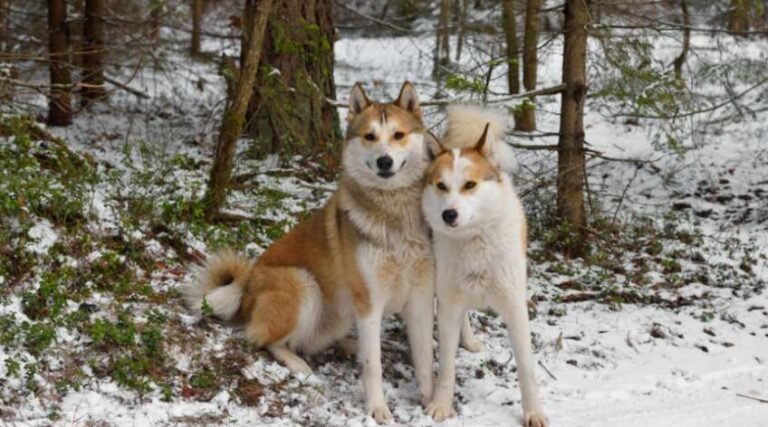
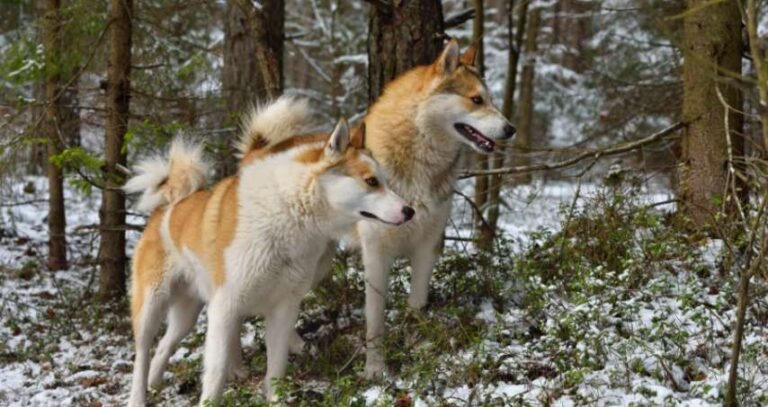
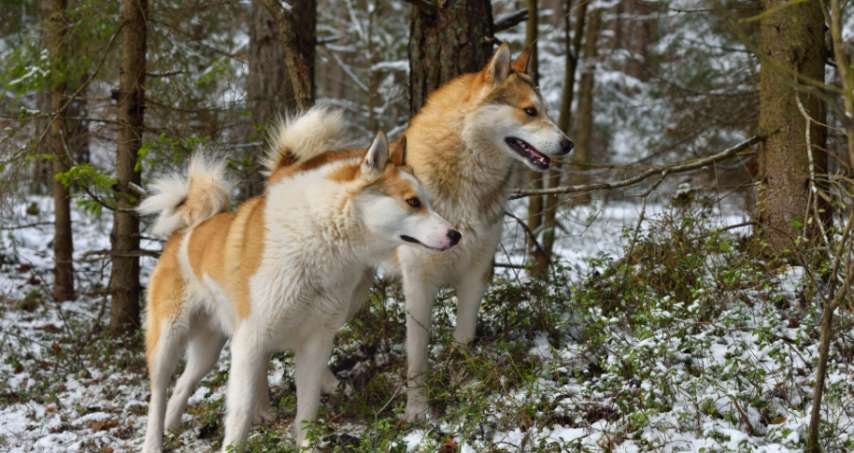
    The West Siberian Laika looks lean, alert, and ready to move before it takes a single step. When I examine the west siberian laika size and breed characteristics, I see a dog shaped by function rather than exaggerated appearance. Its strong frame, insulating coat, sharp senses, and independent nature all support demanding work in forests and severe weather.

    This Russian hunting breed falls between a medium and large dog. However, its athletic proportions often make it appear lighter and faster than other dogs of a similar height.

    West Siberian Laika Size at a Glance

    West Siberian Laika Size at a Glance

    Official breed standards emphasize clear differences between males and females. Males should look distinctly masculine, while females should retain a lighter, more feminine build.

    The Fédération Cynologique Internationale places male height at 55 to 62 centimeters. That converts to roughly 21.5 to 24.5 inches. Female height ranges from 51 to 58 centimeters, or about 20 to 23 inches. The United Kennel Club lists a similar range, placing males at 21 to 23.5 inches and females at 20.5 to 23 inches.

    Male Height and Weight

    An adult male usually stands about 21 to 24 inches at the shoulder. A typical healthy weight falls near 50 to 55 pounds, although working condition and body structure affect the number.

    A well-conditioned male should look powerful without appearing bulky. I would expect visible muscle through the shoulders and hindquarters, but not the heavy outline of a mastiff or livestock guardian.

    Female Height and Weight

    An adult female generally stands 20 to 23 inches tall and weighs approximately 40 to 50 pounds. Females usually appear slightly finer through the head, neck, and body.

    These measurements show why the west siberian laika size and breed characteristics suit endurance work. The dog has enough strength for difficult terrain without carrying unnecessary weight.

    Athletic Build and Body Proportions

    The West Siberian Laika has a strong, dry, and muscular body. “Dry” describes a firm working physique without loose skin, excessive fat, or heavy features.

    Its body is slightly longer than its height. The chest reaches close to the elbows, while the abdomen rises moderately toward the rear. A strong back and well-developed hindquarters help the dog accelerate, turn, and cross uneven ground.

    One useful way I assess this breed is through a function test. Each feature should help the dog travel, locate game, or cope with weather. A broad, heavy body would reduce speed. An overly fine body would reduce stamina. The correct Laika sits between those extremes.

    That balance is one of the most useful insights behind the west siberian laika size and breed characteristics. The breed was developed for practical performance, not merely for a wolf-like silhouette.

    Wolf-Like Head, Eyes, Ears, and Tail

    Wolf-Like Head, Eyes, Ears, and Tail

    The Laika’s head and expression create much of its distinctive appearance. However, these features also support hearing, scenting, communication, and environmental awareness.

    Head and Facial Expression

    The head is wedge-shaped when viewed from above. It narrows gradually toward a pointed muzzle without appearing weak or excessively sharp.

    Its almond-shaped eyes sit at a slight angle. Official standards favor brown or dark brown eyes, which create an attentive and intelligent expression. Amber shades may appear in some dogs, but very pale or blue eyes do not represent the preferred breed-standard appearance.

    The lips remain tight and clean. Strong jaws and a complete scissor bite reflect the breed’s hunting background.

    Ears and Curled Tail

    The ears are erect, high-set, mobile, and usually V-shaped. Their upright position helps the dog detect faint sounds while searching through dense woodland.

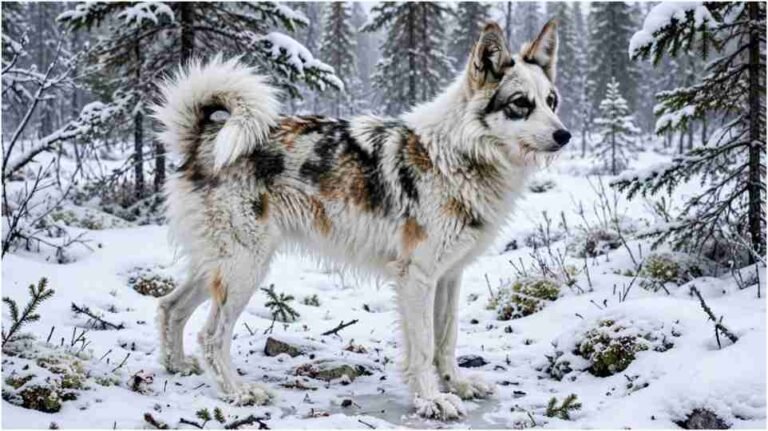
    The tail forms a tight curl over the back or hip. It carries thick hair and contributes to the classic northern spitz outline. A curled tail is not just decorative. Northern dogs can use a heavily furred tail to cover the nose and face while resting in cold conditions.

    These details make the west siberian laika size and breed characteristics easy to distinguish from those of heavier shepherds or streamlined sighthounds.

    West Siberian Laika Coat Colors and Texture

    West Siberian Laika Coat Colors and Texture

    The coat protects the dog from snow, moisture, wind, brush, and rapid changes in temperature. Owners should expect a natural working coat rather than a soft, flowing ornamental one.

    A Double Coat Built for Cold Weather

    The outer coat consists of harsh, straight guard hairs. Beneath it sits a dense, soft undercoat that provides insulation.

    Hair grows longer around the neck, shoulders, cheeks, and tail. This creates a modest ruff, particularly in males. The coat should stand away from the body rather than hanging flat.

    The FCI standard describes the breed as having a hard, straight outer coat with a well-developed undercoat. This texture explains why routine brushing matters, especially when the dog releases its seasonal undercoat.

    Frequent shaving can damage the coat’s protective function. I would manage shedding with brushing, bathing when necessary, and thorough drying instead.

    Accepted Colors and Markings

    Common colors include gray, red, fawn, reddish brown, and white. Dogs may also display combinations of these colors with patches.

    Wolf gray remains one of the breed’s most recognizable shades. Gray coats can range from pale silver to deep, dark gray. White markings may appear on the chest, legs, face, or body.

    Color attracts attention, but structure and movement matter more. A striking coat cannot compensate for weak proportions or poor working condition.

    Movement, Endurance, and Hunting Ability

    The West Siberian Laika should move freely and efficiently. Its normal working gait often alternates between a trot and a gallop, allowing it to cover large areas without wasting energy.

    Strong, compact feet support movement over rough ground. Flexible toes and firm pads help the dog manage woodland floors, snow, and uneven trails.

    This movement explains another practical point about west siberian laika size and breed characteristics: the breed is not designed for short bursts alone. Its moderate weight and balanced frame support sustained activity.

    A Laika may track, search, listen, and work independently at a distance from its handler. Therefore, physical endurance works alongside alertness and decision-making ability.

    Temperament Behind the Athletic Appearance

    The breed’s physical features cannot be separated from its behavior. This dog was developed to hunt with initiative, so blind obedience should not be expected.

    A West Siberian Laika often forms a deep attachment to one household. It can be affectionate, loyal, watchful, and calm indoors after receiving enough activity. However, it may remain reserved with unfamiliar people.

    Its prey drive can be intense. Small pets, wildlife, and unsecured outdoor areas may create problems. Secure fencing and carefully managed introductions are essential.

    Training should remain firm, calm, and fair. Harsh corrections can damage trust and increase resistance. For a fuller behavioral profile, read about west siberian laika temperament and personality before deciding whether this breed suits your experience.

    Is This Breed Suitable for an American Home?

    The west siberian laika size and breed characteristics suit active owners better than casual pet households. A large yard helps, but space alone does not meet the dog’s needs.

    This breed benefits from hiking, scent games, tracking activities, controlled running, and structured exploration. A short walk around the block will rarely satisfy a mature working Laika.

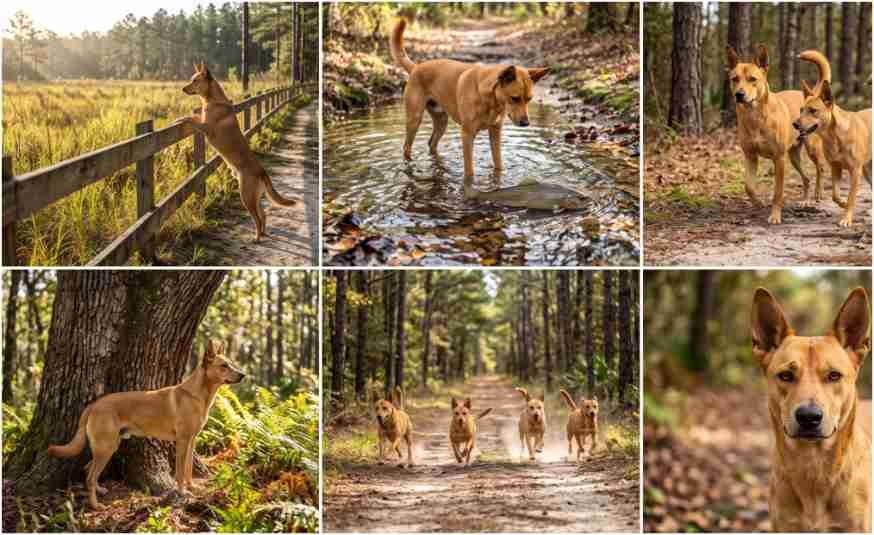
    Family suitability depends on much more than a dog’s height, weight, or available yard space. Dog ownwers comparing primitive breeds may also consider is a Carolina Dog a good family pet to see how socialization, independence, exercise needs, and household structure influence everyday compatibility.

    Warm climates require extra care because of the dense double coat. Exercise should take place during cooler hours, with constant access to shade and water. Air-conditioned indoor rest may be necessary during hot summers.

    Apartment ownership is possible only with exceptional daily commitment. The greater concerns are prey drive, independence, boredom, and escape behavior rather than body size alone.

    Before choosing a puppy, I would evaluate fencing, exercise time, training experience, climate, and nearby wildlife. Those factors matter as much as height or weight.

    Frequently Asked Questions

    1. How big does a West Siberian Laika get?

    Most adults stand 20 to 24 inches tall and weigh approximately 40 to 55 pounds, with males usually larger than females.

    2. Is a West Siberian Laika considered a large dog?

    It is generally described as a medium-to-large breed with a lean, athletic build rather than a heavy frame.

    3. What are the main West Siberian Laika size and breed characteristics?

    Key traits include an athletic body, wedge-shaped head, erect ears, curled tail, dense double coat, high endurance, and strong hunting instinct.

    4. Does a West Siberian Laika look like a wolf?

    Yes. Its gray coloring, pointed muzzle, erect ears, slanted eyes, and balanced proportions create a noticeably wolf-like appearance.

    Final Verdict: A Wolfish Look With a Working Heart

    After studying the west siberian laika size and breed characteristics, I would never choose this dog for appearance alone. The curled tail and wolf-gray coat may win attention, but the working instincts define the breed.

    This Laika needs movement, meaningful training, secure boundaries, and a respectful relationship. Measure your daily routine as carefully as you measure the dog. When its physical and mental needs are met, the breed can become a devoted, capable, and impressive companion.

  • West Siberian Laika Temperament and Personality Guide

    West Siberian Laika Temperament and Personality Guide

    A West Siberian Laika may adore its family and still ignore a recall command when wildlife appears. That apparent contradiction defines the west siberian laika temperament and personality better than labels such as loyal, intelligent, or energetic.

    I view this breed as a hunting partner first and a conventional pet second. Its independence is not a character defect. It is the result of generations spent locating game, making decisions at a distance, and alerting hunters through persistent barking.

    Understanding that working mindset is essential before bringing one home.

    The Temperament Behind the Hunting Dog

    The official Fédération Cynologique Internationale standard describes the breed as balanced and lively. The United Kennel Club adds that it is intelligent, affectionate, loyal, and strongly driven to hunt. These qualities can coexist because the Laika was developed to cooperate with people without waiting for constant direction.

    The west siberian laika temperament and personality therefore combines devotion with autonomy. This dog watches its handler closely, yet it also evaluates situations for itself.

    Independent Rather Than Stubborn

    I would not describe the breed as disobedient by default. It simply asks a different question from many companion dogs.

    A highly handler-focused breed may think, “What does my owner want?” A West Siberian Laika is more likely to think, “Does that request make sense right now?”

    That distinction matters during training. Repetition without purpose can cause disengagement. Short sessions, meaningful rewards, movement, scent work, and real-life access usually create stronger participation.

    The breed learns quickly, but learning a command does not guarantee automatic compliance. A squirrel, unfamiliar scent, or distant animal call may be more rewarding than anything its handler carries.

    Loyal Without Being Overly Dependent

    The west siberian laika temperament and personality includes a deep attachment to familiar people. Many individuals remain close to their household and develop strong preferences for one primary handler.

    However, affection may look understated. The dog might rest nearby rather than demand constant touching. It may check where family members are without following them from room to room.

    This strong bond can make rehoming difficult. A mature Laika may need considerable time to trust a new person, particularly after an unstable or harsh previous home.

    West Siberian Laika Behavior With People

    West Siberian Laika Behavior With People

    This breed can be affectionate, playful, observant, and protective within its household. However, genetics, early handling, socialization, health, and individual experience still influence behavior.

    No breed description can guarantee how one dog will act.

    Life With Family and Children

    A well-socialized West Siberian Laika can be gentle and devoted with children it knows. Its playful energy may suit active older children who understand canine boundaries.

    Supervision remains necessary. The breed can become physically intense during play, and young children may misread warning signals. Children should never disturb a sleeping dog, take its food, climb on it, or corner it.

    I would also give the dog a quiet resting space that children cannot enter. Respectful distance often protects the trusting relationship families want.

    The west siberian laika temperament and personality is usually better suited to an active household than a home seeking a calm, undemanding companion.

    Reactions to Strangers

    Some breed references describe West Siberian Laikas as friendly, while experienced owners often report reserve or initial suspicion. These descriptions are not necessarily contradictory.

    A stable dog may remain watchful, bark when someone arrives, and then accept the visitor after a controlled introduction. Aloofness should not be confused with fear or uncontrolled aggression.

    Frequent, positive exposure to different people during puppyhood can reduce defensive reactions. Socialization should teach neutrality, not force every dog to enjoy physical contact from strangers.

    Owners should also learn how to prevent fear-based behaviors in dogs by using gradual exposure, rewarding calm responses, and avoiding overwhelming encounters that may increase anxiety or defensive barking.

    Prey Drive, Dogs, and Other Pets

    Prey Drive, Dogs, and Other Pets

    Hunting drive is one of the most influential parts of the west siberian laika temperament and personality. The breed was developed as a versatile forest hunter capable of pursuing birds and mammals. Both FCI and UKC classifications preserve its identity as a Nordic hunting dog rather than merely a spitz-shaped companion.

    Movement can trigger rapid pursuit. Rabbits, squirrels, poultry, and unfamiliar cats may be treated as quarry.

    Same-Sex Tension and Territorial Behavior

    West Siberian Laikas can live with other dogs, especially when raised together and managed carefully. However, some individuals display territorial behavior or same-sex conflict as they mature.

    Neutral introductions provide better information than meetings inside the resident dog’s yard. Owners should supervise valuable resources, including food, bones, toys, sleeping areas, and access to attention.

    Early friendliness does not guarantee permanent compatibility. Social maturity can change dog-to-dog relationships between roughly one and three years of age.

    Can a West Siberian Laika Live With Cats?

    Some individuals accept an indoor cat introduced during puppyhood. That acceptance does not mean the dog will generalize the same response to outdoor cats.

    I would never assume that socialization erases prey drive. It can build familiarity with a specific animal, but instinct may still appear during running, squealing, chasing, or outdoor excitement.

    Pocket pets, free-roaming poultry, and small mammals present a much higher risk. Physical separation is safer than relying only on obedience.

    Training an Independent Primitive Dog

    Training an Independent Primitive Dog

    Training works best when the owner builds cooperation rather than demanding robotic submission. The west siberian laika temperament and personality responds well to clarity, consistency, and rewards that matter to the individual dog.

    Exploring what did the Hare Indian Dog look like offers additional insight into how historic northern working breeds developed characteristics that still influence the appearance and instincts of many modern dogs.

    Food may work indoors. Outdoor access, sniffing, play, or permission to continue moving may become more valuable outside.

    Recall Requires Long-Term Management

    Reliable recall should begin in a secure area with very few distractions. I would then progress through a fenced yard, a long line, and gradually more stimulating environments.

    A simple progression might look like this:

    1. Call once from a short distance.
    2. Reward immediately when the dog turns.
    3. Release it back to an enjoyable activity.
    4. Increase distance before increasing distraction.
    5. Use a long line whenever success is uncertain.

    Releasing the dog after recall teaches that returning does not always end the fun. That lesson is especially useful for an independent hunting breed.

    Even with excellent practice, off-leash freedom may remain unsafe in unfenced areas. Management is not failed training. It is a realistic response to inherited pursuit behavior.

    Why Harsh Training Usually Backfires

    Physical punishment may suppress behavior briefly, but it can damage trust and increase avoidance. Research comparing dog-training approaches has linked reward-based methods with stronger welfare outcomes and effective learning. Humane World for Animals also recommends rewarding desired behavior with food, toys, praise, or access to valued activities.

    This matters because the west siberian laika temperament and personality is both sensitive and self-directed. A dog that distrusts its handler has even less reason to return when distracted.

    Calm boundaries do not mean permissiveness. Owners still need consistent rules, controlled access, secure fencing, and consequences such as pausing play or removing opportunities.

    Exercise and Mental Stimulation Needs

    A short neighborhood walk rarely satisfies this breed. West Siberian Laikas need sustained movement, exploration, scent-based activities, and opportunities to solve problems.

    Suitable outlets may include hiking, tracking games, canicross, structured retrieving, scent trails, and controlled hunting work where lawful. Exercise must match the dog’s age, health, conditioning, and local climate.

    Mental work can be simple. I often favor hiding food across a safe yard over relying only on puzzle toys. Searching uses the nose, encourages independent problem-solving, and turns a routine meal into purposeful activity.

    Boredom may lead to digging, escape attempts, destructive chewing, pacing, or excessive barking. A fenced yard helps, but leaving the dog alone outside does not provide meaningful exercise.

    Is the West Siberian Laika Right for You?

    My practical ownership test evaluates three drives: pursuit, decision-making, and vocal expression.

    Can you safely manage a dog that may pursue wildlife? Can you remain patient when it makes independent choices? Can your home and neighborhood tolerate frequent alert or excitement barking?

    When the answer to any question is no, the breed may create daily conflict.

    The west siberian laika temperament and personality generally suits experienced owners who enjoy outdoor activity, structured training, and active management. It is less suitable for first-time owners, homes with unsecured small pets, or people expecting dependable off-leash obedience.

    Apartment living is not automatically impossible, but it raises the difficulty. Owners must provide enough outdoor activity while preventing noise, frustration, and escape behavior.

    Frequently Asked Questions

    1. Is a West Siberian Laika a good family dog?

    It can be loyal and affectionate with an active family that provides training, supervision, exercise, and respectful interactions with children.

    2. Are West Siberian Laikas aggressive?

    Stable dogs are not automatically aggressive, but territorial instincts, same-sex conflict, poor socialization, fear, or careless handling can cause serious problems.

    3. Can a West Siberian Laika be left alone?

    An adult may tolerate reasonable periods alone after gradual training, but prolonged isolation often encourages barking, destruction, digging, or escape attempts.

    4. Is the West Siberian Laika temperament suitable for beginners?

    The west siberian laika temperament and personality is usually challenging for beginners because of its prey drive, independence, energy, vocal behavior, and management needs.

    Final Verdict: Wild Heart, Serious Commitment

    I admire this breed because it does not hand over its judgment easily. A West Siberian Laika offers loyalty, intelligence, stamina, and genuine partnership, but it expects its owner to provide purpose.

    My clearest advice is to meet several mature dogs before contacting a breeder. Puppies can appear adaptable and easy. Adult dogs reveal the independence, hunting intensity, vocal habits, and social boundaries that will shape everyday life.

    Choose this breed because you value its working nature, not because you hope to train that nature away.