Category: Behavior and Socialization

  • From Subtle Cues to Clear Warnings: Understanding Dog Stress Signals

    From Subtle Cues to Clear Warnings: Understanding Dog Stress Signals

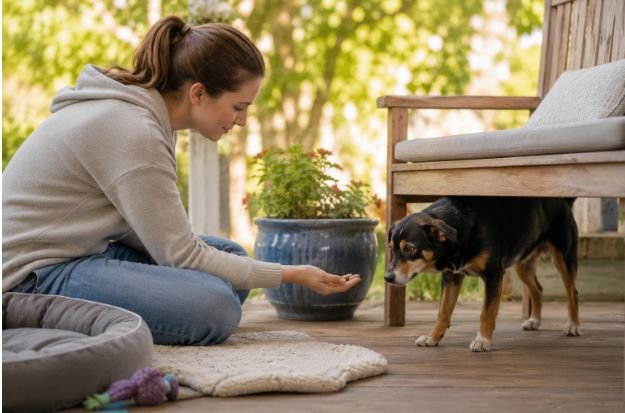
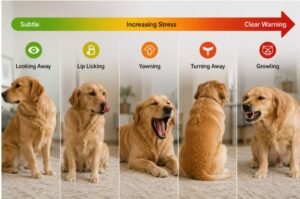
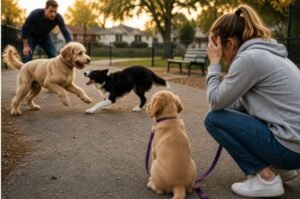
    I’ve spent enough time around dogs to realize that they rarely react out of nowhere. Looking back, I can think of so many moments when a dog was quietly trying to say, “I’m uncomfortable,” long before barking or growling ever happened. A quick lip lick, a yawn that didn’t match the moment, or a sudden interest in sniffing the grass seemed harmless at first. Once I started paying attention, those little behaviors made much more sense.

    I’ve also learned that understanding a dog’s emotions isn’t about memorizing a list of signals. It’s about noticing the whole picture. Dogs communicate through their body long before they reach a breaking point, and recognizing those early messages can make everyday situations less stressful for both the dog and the people around them.

    Why Dogs Show Stress Before They React

    Why Dogs Show Stress Before They React

    Dogs don’t wake up one day and decide to growl or snap. Stress usually builds in stages. Early signals are their way of asking for space, slowing down an interaction, or expressing uncertainty.

    When those quiet signals go unnoticed, the behavior often becomes more obvious. That’s why recognizing stress early is one of the most valuable skills any dog owner can develop. It helps prevent misunderstandings and creates a stronger relationship built on trust rather than correction.

    If you’re already learning about understanding dog body language, stress signals become much easier to recognize because every movement starts to fit into a larger conversation your dog is trying to have.

    The Quiet Signals Most Owners Miss

    The earliest signs of stress are often so subtle that they’re mistaken for normal behavior.

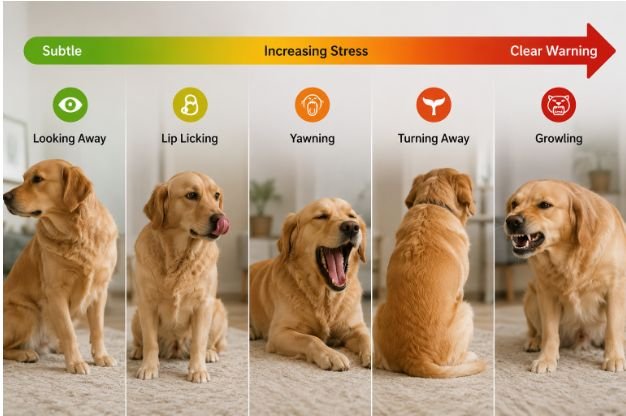
    Lip Licking and Yawning

    A dog that licks its lips without food nearby or yawns during a training session isn’t necessarily tired or hungry. These behaviors often help the dog cope with mild discomfort or uncertainty.

    You might notice them when meeting unfamiliar people, visiting a busy park, or hearing unexpected noises around the house.

    Turning Away or Suddenly Sniffing

    Turning Away or Suddenly Sniffing

    Some dogs avoid uncomfortable situations by turning their head away or dropping their nose to the ground as if something suddenly became interesting.

    These actions aren’t signs of stubbornness. They’re polite ways of avoiding conflict while giving themselves a chance to feel safe again.

    Ignoring these early cues can unintentionally increase pressure on the dog.

    When Stress Starts to Build

    As anxiety grows, body language becomes easier to spot.

    Whale Eye and Excessive Panting

    One of the clearest signals is “whale eye,” where the whites of the eyes become visible because the dog turns its head while keeping its attention on whatever is causing concern.

    Panting can also become excessive even when the weather is cool, and the dog hasn’t been exercising. Combined with other signals, it often suggests emotional stress rather than physical exertion.

    Stiff Body Language

    A relaxed dog moves naturally. A stressed dog often becomes noticeably rigid.

    You may see frozen movement, pinned-back ears, a tucked tail, or muscles that suddenly tense. Some dogs will even hide behind furniture or move behind their owner when they feel overwhelmed.

    These behaviors shouldn’t be ignored because they often appear before more serious warnings.

    Clear Warnings Mean the Dog Needs Space

    Clear Warnings Mean the Dog Needs Space

    When subtle communication doesn’t work, dogs become more direct.

    A hard stare, raised hackles, growling, snapping, or lunging are usually not the beginning of the problem. They’re often the final stage after earlier signals have gone unnoticed.

    Growling deserves special attention because it’s a valuable warning, not bad behavior that should automatically be punished. A dog that growls is communicating discomfort before feeling forced to defend itself.

    Responding calmly by creating distance from the trigger is usually much safer than trying to force the interaction to continue.

    What Commonly Triggers Stress in Dogs

    Every dog has different comfort levels, but certain situations appear repeatedly.

    • Meeting unfamiliar people or dogs too quickly.
    • Loud household noises like fireworks, storms, or construction.
    • Busy parks and crowded public places.
    • Veterinary appointments and grooming visits.
    • Car rides for dogs that haven’t been gradually introduced to travel.
    • Sudden routine changes or moving into a new home.

    Sometimes one stressful event isn’t enough to cause a reaction. Instead, several small stressors build throughout the day before the dog reaches its limit. Many behavior professionals refer to this as trigger stacking, which explains why a calm dog can suddenly appear reactive after multiple uncomfortable experiences.

    How to Help a Stressed Dog Feel Safe

    How to Help a Stressed Dog Feel Safe

    Helping an anxious dog usually starts with observation rather than action.

    Instead of correcting the behavior, try identifying what changed in the environment. Give your dog more distance from the trigger whenever possible and allow time to relax before asking for more interaction.

    Positive reinforcement also plays an important role. Reward calm behavior, create predictable routines, and introduce new experiences gradually instead of expecting immediate confidence.

    Regular exercise, mental enrichment, quality sleep, and consistent daily routines all contribute to emotional well-being over time.

    Why Reading Stress Signals Changes Everything

    Many behavioral problems begin with communication that people simply didn’t recognize. Once owners start paying attention to early signals instead of waiting for obvious reactions, everyday interactions become much smoother.

    Understanding stress isn’t about becoming worried every time your dog yawns or looks away. It’s about noticing patterns, respecting boundaries, and responding before anxiety has a chance to grow. That awareness builds trust, improves training, and helps dogs feel more secure in the people they depend on every day.

    FAQs: From Subtle Cues to Clear Warnings: Understanding Dog Stress Signals

    Can dogs show stress without barking or growling?
    Yes. Most dogs begin with subtle behaviors like lip licking, yawning, turning away, or avoiding eye contact before using louder warning signals.

    Is panting always a sign of stress?
    No. Dogs pant to cool down after activity, but excessive panting in a calm environment may indicate stress, anxiety, or discomfort.

    Should I correct my dog for growling?
    Generally, no. Growling is a warning that your dog feels uneasy. Understanding the cause and creating space is usually a better response than punishment.

    When should I seek professional help?
    If stress signals happen frequently, become more intense, or lead to aggressive behavior, consult your veterinarian or a qualified dog behavior professional.

    The Best Conversations Often Happen Without Words

    The strongest bond with a dog doesn’t come from teaching the most commands. It grows from learning to notice the quiet moments that most people overlook. A glance away, a stiff posture, or a simple yawn can say far more than barking ever will. When those signals are respected, dogs feel safer, trust grows naturally, and many behavioral challenges become easier to prevent before they start.

    Sometimes the smallest behaviors are the ones worth paying attention to the most.

  • Puppy Confidence Building Tips That Help Prevent Fearful Behavior

    Puppy Confidence Building Tips That Help Prevent Fearful Behavior

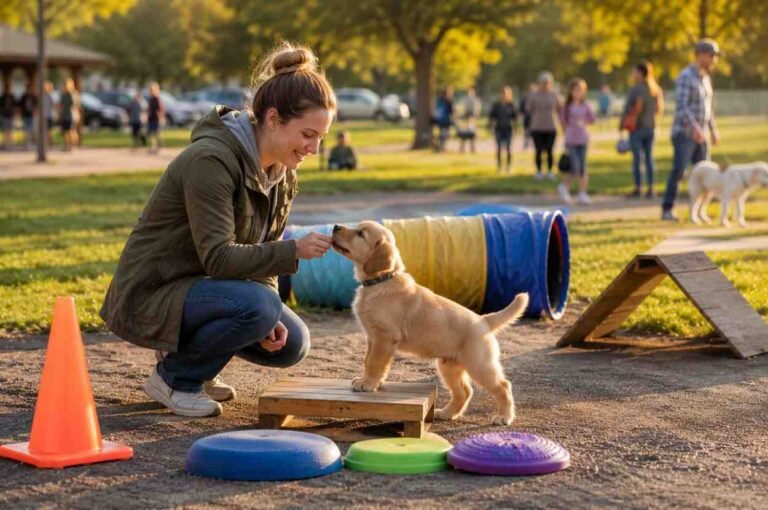
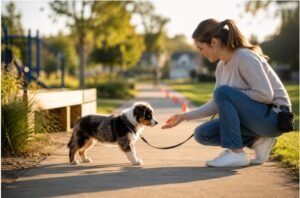
    The first time I watched a puppy hesitate at something as simple as a cardboard box, I almost laughed. It didn’t seem scary to me at all. A few minutes later, after a little patience and a handful of treats, that same puppy walked over, sniffed it, and proudly stepped on top of it. That small moment completely changed the way I looked at confidence. It wasn’t something puppies were simply born with. It was something they learned, one positive experience at a time.

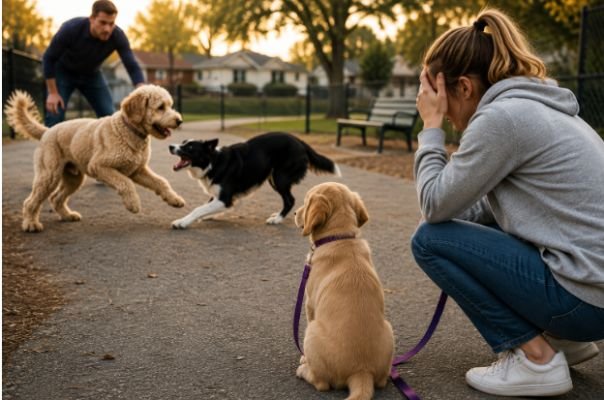
    I’ve also seen the opposite happen. Well-meaning owners often try to push puppies into unfamiliar situations, hoping they’ll “get used to it.” Sometimes it works, but more often it leaves the puppy even more uncertain. Building confidence isn’t about making a puppy face every challenge. It’s about helping them believe they can handle new experiences without feeling afraid.

    Why Confidence Shapes Your Puppy’s Future

    Why Confidence Shapes Your Puppy's Future

    Confidence affects far more than how adventurous a puppy appears. It influences how they respond to strangers, unfamiliar places, loud noises, other dogs, and everyday changes in their environment.

    A confident puppy is usually more willing to learn, recover from surprises, and adapt to new situations. That doesn’t mean they’ll never feel nervous. It means they’re better equipped to work through those moments instead of becoming overwhelmed.

    The early months of a puppy’s life are especially important because they’re constantly learning what feels safe and what doesn’t. Every positive interaction helps build emotional resilience that can last well into adulthood.

    Let Your Puppy Explore at Their Own Pace

    One of the easiest mistakes to make is assuming confidence grows by pushing puppies outside their comfort zone. In reality, confidence develops when puppies choose to explore on their own.

    If your puppy pauses before approaching a new object, resist the urge to pull them closer. Give them time to observe, sniff, and decide when they’re ready. That freedom helps create trust instead of fear.

    Small victories matter. Walking across a different surface, meeting one calm stranger, or hearing a new household sound without panic all become stepping stones toward greater confidence.

    Turn New Experiences Into Positive Memories

    Turn New Experiences Into Positive Memories

    Socialization isn’t about exposing your puppy to everything as quickly as possible. It’s about making each new experience feel safe.

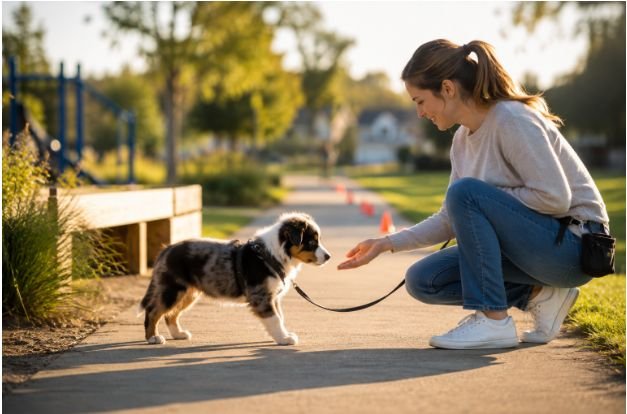
    Whenever your puppy notices something unfamiliar, reward calm curiosity with praise or a favorite treat; over time, they’ll begin connecting new sights, sounds, and people with positive outcomes instead of uncertainty.

    Distance also matters. If your puppy seems uncomfortable around bicycles, children, or traffic, move farther away until they relax. As confidence grows, you can slowly decrease that distance without creating unnecessary stress.

    Learn to Read Your Puppy’s Body Language

    Puppies communicate constantly, even when they aren’t making a sound.

    A tucked tail, flattened ears, lip licking, yawning during stressful moments, avoiding eye contact, or trying to hide are all signs that your puppy may need more space.

    Paying attention to these signals allows you to respond before fear becomes overwhelming. When puppies feel that their owners understand them, trust grows naturally.

    Ignoring stress signals often teaches puppies that scary situations can’t be escaped, making fearful behavior more likely in the future.

    Reward Curiosity Instead of Bravery

    Reward Curiosity Instead of Bravery

    Many owners celebrate when a puppy rushes toward something unfamiliar, but confidence isn’t measured by boldness alone.

    Sometimes the bravest thing a puppy can do is calmly watch a new experience before deciding to investigate. Rewarding those quiet moments of curiosity encourages thoughtful behavior instead of impulsive reactions.

    Positive reinforcement works because it helps puppies associate learning with success. Whether you’re using treats, toys, praise, or play, rewarding desired behavior creates stronger learning than punishment ever will.

    Make Everyday Training Feel Like a Game

    Confidence often grows during ordinary moments rather than formal training sessions.

    Simple activities like asking your puppy to sit before meals, searching for hidden treats around the house, or solving food puzzles give them regular opportunities to succeed. Every successful challenge teaches them that trying new things leads to positive outcomes.

    Short training sessions also strengthen communication between you and your puppy, making unfamiliar situations feel less intimidating because they know what to expect from you.

    Give Your Puppy a Safe Place to Recharge

    Give Your Puppy a Safe Place to Recharge

    Even confident puppies need breaks.

    After a busy walk or an exciting play session, your puppy benefits from having a quiet space where they can relax without interruption. A properly introduced crate or a cozy corner with familiar bedding often becomes that safe haven.

    Rest is just as important as socialization. Puppies process new experiences while they sleep, making recovery an essential part of healthy emotional development.

    Mistakes That Can Accidentally Create Fear

    Most fearful behavior doesn’t develop because owners don’t care. It often comes from trying to help too quickly.

    Common mistakes include:

    • Forcing interactions before a puppy feels ready.
    • Punishing fearful reactions instead of reassuring calm behavior.
    • Introducing too many new experiences in a single day.
    • Comparing one puppy’s progress to another instead of respecting individual personalities.

    Patience almost always produces better results than pressure.

    FAQs: Puppy Confidence Building Tips That Help Prevent Fearful Behavior

    1. When should puppy confidence building begin?
    Confidence building should begin as soon as your puppy settles into their new home. Early positive experiences help them adapt more easily to new environments, people, sounds, and routines while reducing the chance of fearful behavior later.

    2. Can shy puppies become confident?
    Yes. Every puppy develops at a different pace. With patience, reward-based training, gentle socialization, and consistent routines, even naturally cautious puppies can become more confident over time.

    3. What should I do if my puppy gets scared?
    Stay calm, create distance from whatever caused the fear, and reward relaxed behavior. Avoid forcing your puppy to approach something they aren’t ready to face.

    4. How long does confidence building take?
    There isn’t a fixed timeline. Some puppies gain confidence within weeks, while others need several months. Consistency and positive experiences matter far more than speed.

    Confidence Grows One Small Step at a Time

    Looking back, the most confident dogs I’ve met weren’t the ones that faced every challenge without hesitation. They were the ones that had been given the chance to learn at their own pace, supported by patient owners who understood that trust couldn’t be rushed. Every calm introduction, successful training session, and positive experience quietly built the foundation for the dog they eventually became.

    Confidence isn’t created in a single day. It’s built through hundreds of small moments that help a puppy believe the world is a safe place to explore.

  • Understanding Dog Body Language Is Easier Once You Know These Cues

    Understanding Dog Body Language Is Easier Once You Know These Cues

    The first time I realized my dog was communicating long before barking, it completely changed the way I looked at every interaction. I used to think a wagging tail meant happiness and a growl meant trouble. Then I started noticing the smaller details. The way the ears shifted, the eyes softened, or the body suddenly became stiff often told the real story before any sound came out.

    Once I began paying attention to those subtle changes, everyday moments became easier to understand. Walks felt calmer, introductions to new people went more smoothly, and I could tell when my dog wanted space instead of affection. Dogs are constantly giving us clues. The challenge is learning how to recognize them before they become obvious.

    Why Dogs Communicate With Their Bodies First

    Why Dogs Communicate With Their Bodies First

    Dogs don’t rely on words, so their bodies become their primary way of expressing emotions. Every movement, from the position of their tail to the way they carry their weight, gives insight into how they’re feeling.

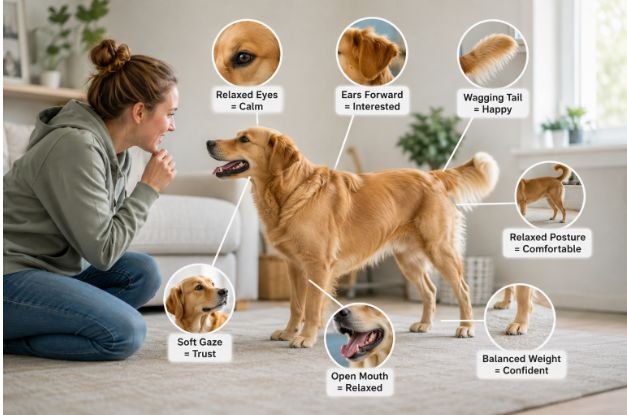
    That’s why understanding dog body language isn’t about memorizing one signal at a time. A wagging tail, for example, doesn’t always mean a dog is happy. It has to be viewed alongside ear position, facial expression, posture, and the situation itself. Looking at the whole picture leads to much more accurate communication.

    A Tail Can Say More Than You Think

    Many people associate tail wagging with excitement, but the speed, height, and movement of the tail all matter.

    A loose, wide wag often signals a relaxed and friendly dog. A high, stiff wag usually reflects excitement, intense focus, or heightened arousal. In some situations, it can even be an early warning that the dog feels challenged. On the other hand, a tail held low or tucked tightly between the legs usually points to fear, uncertainty, or submission.

    Instead of asking whether the tail is wagging, ask how it’s wagging. That small shift in thinking makes a huge difference.

    The Face Often Tells the Real Story

    The Face Often Tells the Real Story

    A dog’s eyes, ears, and mouth work together to reveal emotions that owners frequently overlook.

    Ears pointed forward generally show curiosity or alertness. When they’re pinned back against the head, the dog may be anxious, nervous, or uncomfortable. Eye contact also deserves attention. A relaxed gaze usually indicates comfort, while a hard, fixed stare can signal tension or a warning.

    One expression many owners miss is “whale eye,” where the whites of the eyes become visible. Dogs often display this when they feel trapped, worried, or stressed. Lip licking, frequent yawning outside of bedtime, and a tightly closed mouth can also suggest emotional discomfort rather than tiredness.

    Body Posture Brings Everything Together

    The body often confirms what the face has already started to communicate.

    A relaxed dog carries loose muscles, balanced weight, and natural movement. A tense dog may lean backward, freeze in place, or shift its weight away from something that feels uncomfortable.

    One of the easiest postures to recognize is the play bow. The front legs stretch forward while the back end stays raised. This posture is an invitation to play and usually appears alongside loose movements and a relaxed expression.

    Raised hackles, where the hair along the back stands up, deserve a little more attention. They don’t automatically mean aggression. They simply tell you the dog is emotionally aroused, which could come from excitement, fear, uncertainty, or overstimulation. The surrounding body language helps explain which emotion is driving that response.

    Context Changes the Meaning of Every Signal

    Context Changes the Meaning of Every Signal

    The same body language can mean different things depending on what’s happening around the dog.

    Imagine a dog wagging its tail while meeting another dog during a walk. If the body remains loose and the movements stay relaxed, the interaction is probably friendly. If the body becomes stiff, the ears move forward, and the dog locks its gaze, the situation may require more space.

    That’s why experienced trainers avoid judging one signal on its own. Dogs communicate through combinations of behaviors, not isolated gestures.

    Watching the environment is just as important as watching the dog.

    Reading Body Language Builds Trust

    Understanding your dog’s behavior isn’t just about preventing problems. It also creates a stronger relationship built on trust.

    When owners recognize stress signals early, they can adjust the situation before fear turns into barking, lunging, or growling. Respecting those early cues teaches dogs that they don’t have to escalate their behavior to be understood.

    Confidence also develops over time through positive experiences. That’s one reason socialization before adulthood plays such an important role. Puppies that gradually experience different people, environments, sounds, and animals often grow into adults that communicate more confidently and respond more calmly to unfamiliar situations.

    The more consistently you respond to your dog’s body language, the more confident both of you become.

    FAQs: Understanding Dog Body Language Is Easier Once You Know These Cues

    Does a wagging tail always mean a dog is happy?
    No. Tail movement should always be read alongside posture, facial expression, and the situation. A stiff wag can signal excitement or tension, while a loose wag usually reflects relaxation.

    What are the earliest signs of stress in dogs?
    Lip licking, yawning, pinned ears, whale eyes, a tucked tail, and a tense mouth often appear before barking or growling begins.

    Why does my dog avoid eye contact?
    Looking away can be a calming signal. Dogs often use it to reduce tension or show they aren’t looking for conflict.

    Can body language improve dog training?
    Yes. Reading your dog’s signals helps you respond at the right moment, making training more effective while strengthening trust and communication.

    Better Communication Starts With Better Observation

    Learning to read canine body language doesn’t happen overnight, and it shouldn’t. The more time you spend watching your dog’s everyday behavior, the easier it becomes to notice the small changes that reveal excitement, uncertainty, confidence, or stress. Those quiet moments often tell you much more than barking ever could.

    When you understand what your dog is trying to say, every interaction becomes calmer, clearer, and more rewarding for both of you.

  • Why Socialization Before Adulthood Shapes a More Confident Dog

    Why Socialization Before Adulthood Shapes a More Confident Dog

    I used to think a confident dog was simply born that way. Whenever I saw a puppy calmly greeting strangers, walking past loud traffic, or happily exploring a new park, it seemed like luck had something to do with it. The more I watched dogs grow, the more I realized those moments weren’t accidental. They were often the result of small, positive experiences that happened long before the dog reached adulthood.

    That changed the way I looked at raising a puppy. Confidence doesn’t appear overnight, and it isn’t built through one big training session. It grows through everyday experiences that teach a young dog the world is interesting instead of frightening. That’s why socialization before adulthood has such a lasting impact. It lays the foundation for how a dog responds to unfamiliar people, places, sounds, and situations for years to come.

    Why Early Experiences Matter So Much

    Why Early Experiences Matter So Much

    A puppy’s brain develops rapidly during the first few months of life. Between roughly 3 and 16 weeks of age, dogs pass through what’s often called the critical socialization period. During this stage, they’re naturally more open to learning about the world around them.

    When those experiences are calm and positive, puppies begin to see new situations as normal instead of threatening. They learn that bicycles, delivery trucks, children playing, vacuum cleaners, and friendly strangers aren’t things to fear. Those lessons stay with them well into adulthood.

    That doesn’t mean socialization ends after 16 weeks. Adolescent dogs continue learning, and positive experiences throughout their teenage months help reinforce the confidence they started building as puppies.

    Socialization Is More Than Meeting Other Dogs

    One of the biggest misunderstandings about puppy socialization is believing it only means letting puppies play with other dogs.

    In reality, socialization is about helping a puppy become comfortable with everyday life. The goal is to introduce them to different environments, people, sounds, objects, and routines in a way that feels safe and rewarding.

    A well-socialized puppy benefits from experiences like:

    • Meeting people of different ages and appearances.
    • Walking on grass, gravel, sidewalks, wood floors, and metal grates.
    • Hearing traffic, thunderstorms, doorbells, and household appliances.
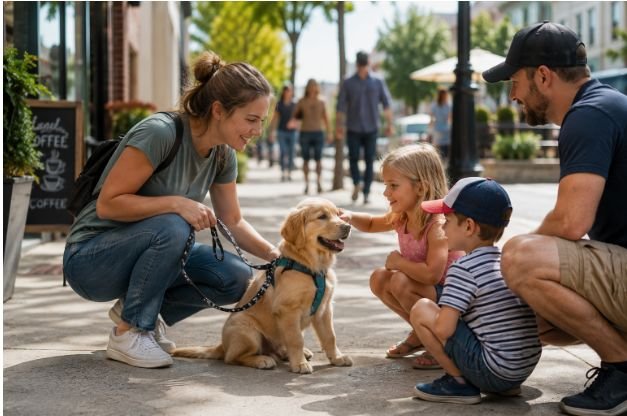
    • Visiting pet-friendly stores or outdoor cafés.
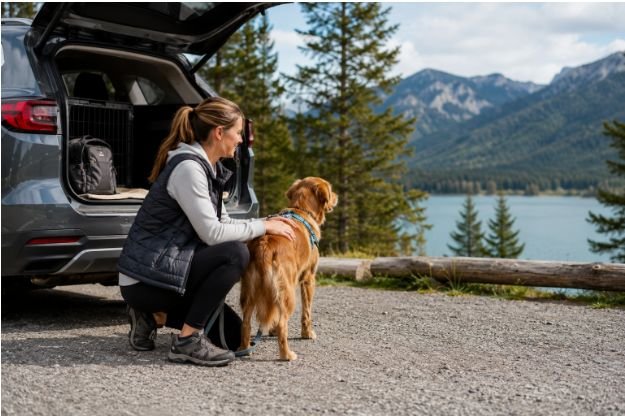
    • Riding in the car before long trips become necessary.
    • Experiencing gentle handling of paws, ears, and teeth.

    These moments may seem ordinary to people, but they’re valuable learning opportunities for a growing dog.

    Positive Experiences Build Real Confidence

    Positive Experiences Build Real Confidence

    Simply exposing a puppy to new situations isn’t enough. The experience itself needs to feel positive.

    Forcing a nervous puppy into a crowded environment or encouraging unwanted interactions can have the opposite effect. Instead of building confidence, it may increase fear.

    Positive reinforcement makes a significant difference. Treats, praise, toys, and patience help puppies associate unfamiliar situations with something enjoyable. Over time, their confidence grows naturally because they learn that exploring the world leads to good outcomes.

    This gradual approach also supports emotional resilience, making it easier for dogs to recover from unexpected situations later in life.

    Everyday Life Is the Best Training Ground

    Many owners focus on formal training classes while overlooking the learning opportunities already happening every day.

    Simple routines often teach the most valuable lessons. Waiting calmly at a crosswalk, greeting visitors at home, hearing children play in a nearby park, or watching cyclists pass by all help puppies become more adaptable.

    Even routine grooming appointments and veterinary visits become less stressful when puppies have already experienced gentle handling at home. Touching their paws, checking their ears, brushing their coat, and rewarding calm behavior prepare them for situations they’ll encounter throughout life.

    These small moments often have a bigger long-term impact than occasional training sessions.

    Common Mistakes That Slow Confidence

    Common Mistakes That Slow Confidence

    Good intentions don’t always produce good results. Some socialization mistakes can accidentally increase anxiety instead of reducing it.

    The most common ones include:

    • Introducing too many new experiences in a single day.
    • Forcing interactions with unfamiliar dogs or people.
    • Ignoring signs of stress, such as tucked tails, lip licking, or avoiding eye contact.
    • Waiting until fear develops before beginning socialization.
    • Assuming every puppy learns at the same pace.

    Every dog develops differently. Moving at the puppy’s comfort level builds trust while preventing unnecessary setbacks.

    If you’re also working on puppy confidence building, combining gradual socialization with reward-based training creates a stronger foundation than relying on exposure alone.

    Confidence Doesn’t Stop Growing After Puppyhood

    Although the earliest months are incredibly important, confident adult dogs continue learning throughout their lives.

    Adolescence often brings temporary fear periods where familiar things suddenly seem unfamiliar. Remaining patient during this stage helps dogs work through those moments without creating lasting anxiety.

    Continuing positive experiences, exploring new places, practicing good manners, and reinforcing calm behavior all strengthen the confidence built during puppyhood.

    The goal isn’t raising a fearless dog. It’s raising one that knows how to recover, adapt, and stay curious when faced with something new.

    FAQs: Why Socialization Before Adulthood Shapes a More Confident Dog

    When should puppy socialization begin?
    Most experts recommend beginning positive socialization between 3 and 16 weeks of age while following your veterinarian’s advice on safe exposure and vaccinations.

    Can older puppies still be socialized?
    Yes. While early development is especially important, adolescent and adult dogs can continue building confidence through gradual, positive experiences and consistent training.

    Does socialization only involve meeting other dogs?
    No. Puppies also benefit from experiencing different people, sounds, places, surfaces, objects, and everyday routines that help them feel comfortable in changing environments.

    How can I tell if my puppy feels overwhelmed?
    Watch for signs like tucked tails, excessive yawning, lip licking, hiding, freezing, or trying to move away. Creating distance and slowing the pace helps puppies rebuild confidence.

    The Confidence They Carry Into Every New Experience

    Every confident adult dog starts somewhere, and that journey usually begins with ordinary moments that don’t seem remarkable at the time. A short walk around the neighborhood, meeting a friendly stranger, hearing a lawn mower for the first time, or calmly visiting the veterinarian all become building blocks for a dog’s future behavior. Those experiences teach puppies that unfamiliar doesn’t always mean unsafe.

    The time invested before adulthood often becomes the confidence they rely on for the rest of their lives.