Raising a brand new fur baby comes with endless tail wags, a few sleepless nights, and plenty of questions about their tiny tummies. Getting your young canine used to solid meals is one of the biggest milestones you will cross together. Learning when can puppies eat dry food only helps you feed your growing pet with total confidence.
Key Takeaways
- Puppies safely transition to dry kibble alone between 8 and 10 weeks old.
- Weaning begins around 4 weeks using a soft kibble-and-water gruel.
- Adjust kibble crunchiness based on your pup’s breed size and jaw strength.
- Gradually transition over several weeks to protect delicate young stomachs.
- Hydration and weight checks ensure your growing pup thrives on dry food.
See When Can Puppies Eat Dry Food Only Risks!
Unlocking the crunch zone is an exciting milestone in your pet parenting journey! Getting the timing right keeps mealtime fun, prevents messy food splatters, and protects your fur baby from unexpected belly aches. Plus, watching your little swimmer conquer their very first bowl of solid kibble is pure magic.
The Complete Feeding Timeline
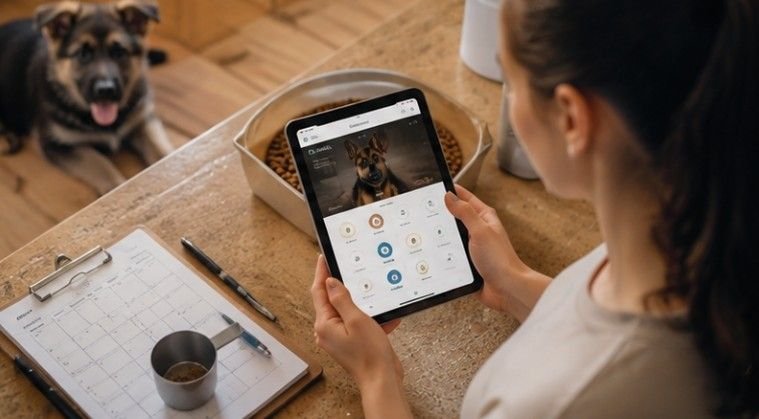
Understanding your pet’s development schedule makes it much easier to time their meal changes correctly.
The Four Week Milestone
At four weeks old, young pups begin taking their very first steps toward independent eating. You should introduce dry kibble mixed thoroughly with warm water or canine milk replacer to form a soft, lap-able mush called gruel.
Progress From Five to Seven Weeks
During weeks five through seven, your young canine develops baby teeth that allow them to process thicker textures. You can gradually reduce the amount of added liquid so the mixture shifts from a liquid porridge to a chunkier, semi-solid meal.
The Eight Week Standard
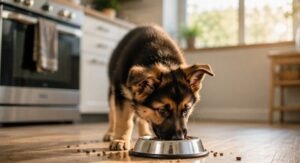
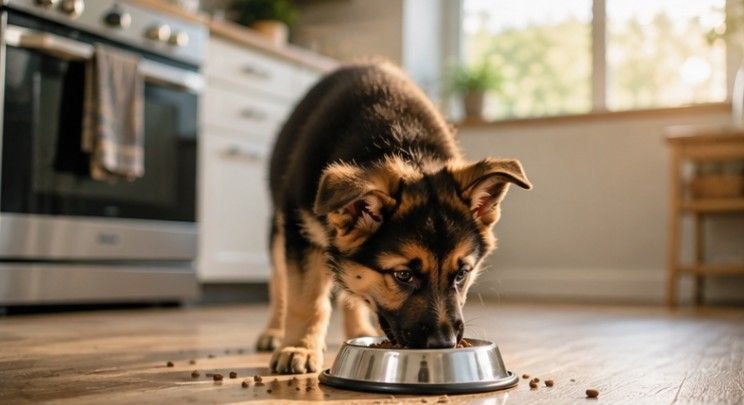
By eight weeks of age, most young dogs are fully weaned from their mothers and can handle solid meals. At this stage, they are ready to eat dry kibble with very little or no warm water added to their dish.
The Eight to Ten Week Independence
Between eight and ten weeks, almost all small and large breed dogs can comfortably handle completely dry, unmoistened kibble. Smaller breeds with tiny jaws may need their meals softened for just a few extra days until their teeth strengthen.
Crucial Feeding Rules for Growing Pups
Following established nutritional protocols keeps your young pet energetic and healthy throughout their growth period.
Prioritize Specially Formulated Puppy Food
Always select food labels specifically designed for young growing dogs rather than adult dogs. Growth formulas contain higher calorie counts, essential proteins, and elevated calcium levels required to support rapid muscle, bone, and brain development.
Go Slow With Texture Adjustments
Decreasing liquid ratios gradually over several weeks prevents digestive shock and loose stools. A gentle, incremental shift gives your dog’s intestinal enzyme systems adequate time to adapt to solid protein and carbohydrate digestion.
Maintain Hydration and Safety Practices
Always keep a fresh, clean bowl of drinking water right beside your dog’s feeding area. Eating dry kibble requires higher moisture intake, so monitoring water levels prevents dehydration and supports smooth swallowing.
Size Considerations: Toy vs. Large Breeds
Genetics and breed size play a huge role in how quickly your dog adjusts to hard food.
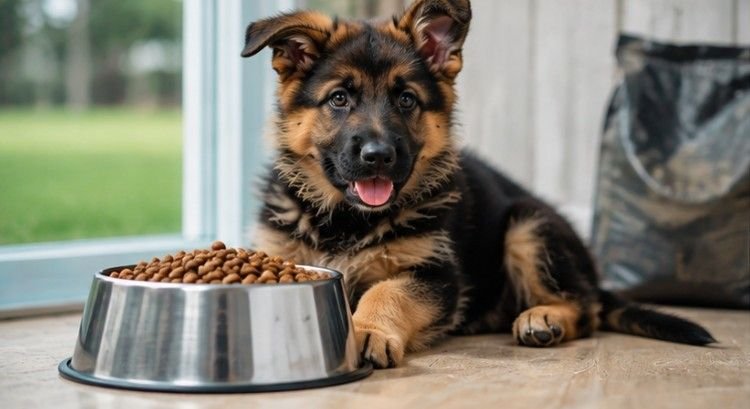
Toy and Small Breed Adjustments
Teacup and toy breeds possess delicate jaws and smaller teeth that take extra time to chew hard foods. They require tiny kibble morsels and may benefit from a longer, more gradual softening period to avoid mouth fatigue.
Medium to Large Breed Needs
Large breed dogs develop strong jaw power rapidly, allowing them to crush standard kibble easily by eight weeks. However, their meals must contain balanced mineral levels to encourage controlled, safe bone and joint development.
How to Handle Transition Challenges
Even with a perfect schedule, young dogs sometimes encounter small hiccups during their weaning phase.
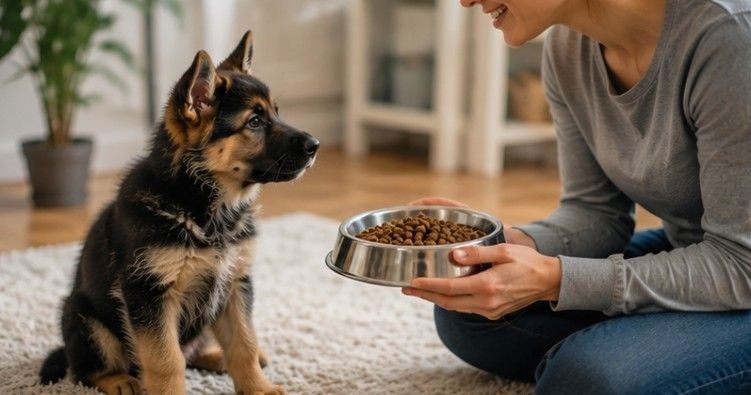
Resolving Food Refusal
If your dog turns away from dry food, never force them or skip meals entirely. Try moistening the food with warm, sodium-free bone broth to release appealing aromas, or add a spoonful of wet food topper to encourage interest.
Managing Stomach Upset
Mild digestive changes can occur whenever you alter food density or ingredient ratios. If loose stools develop, pause liquid reductions for two days, and consult your veterinarian if stomach distress lasts longer than twenty-four hours.
Preventing Rapid Ingestion
Pups often get overly enthusiastic when eating new textures and may swallow pieces without chewing. Using slow-feeder dishes or scattering kibble across a flat tray helps pace their eating speed safely.
Frequently Asked Questions
1. When can puppies eat dry food only?
Puppies can safely eat dry food only without any added water or liquid between eight and ten weeks of age, once their baby teeth are fully developed and weaning is complete.
2. When should you stop feeding a puppy dry puppy food?
You should stop feeding dry puppy food when your dog reaches full physical maturity, typically around twelve months for small breeds and eighteen to twenty-four months for giant breeds, before transitioning to adult kibble.
3. Can 5 week old puppies go all night without eating?
No, five-week-old puppies cannot go all night without eating. Their delicate body systems require regular feedings every four to six hours to maintain steady blood sugar levels throughout the day and night.
4. When can puppies stop wet food?
Puppies can stop eating wet food entirely around eight weeks of age, provided they chew dry kibble comfortably and drink plenty of fresh water from their bowl independently.
5. Can I feed my puppy dry food only?
Yes, you can feed your puppy dry food only once they reach eight to ten weeks old, provided the kibble is a complete, balanced formula designed specifically for growing dogs.
Tail-Wagging Success: Crunch Time Ahead!
Navigating mealtime changes is one of the most rewarding parts of raising a healthy, energetic dog and stop puppy’s biting. Knowing when can puppies eat dry food only allows you to guide their transition smoothly from soft gruel to crunchy kibble. Stay patient, keep fresh water handy, and enjoy watching your happy pet thrive at every single meal!