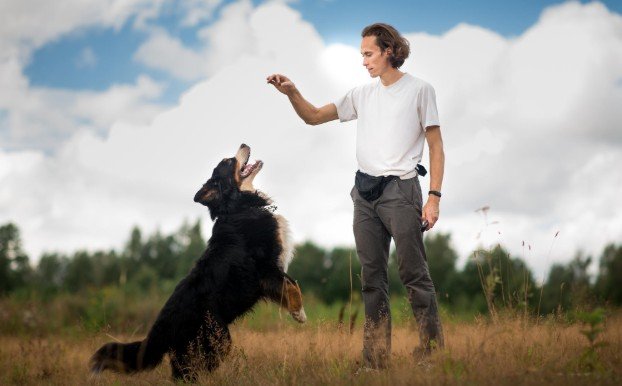
Welcoming a fluffy little puppy into your home brings boundless joy, endless cuddles, and plenty of mystery when tiny white needles start appearing on your favorite rug. If you are tracking milestones and wondering when do puppies lose their baby teeth, you are certainly not alone in wanting to keep your furry friend happy and healthy.
Tracking Puppy Teeth For Fun & Health
Understanding when do puppies lose their baby teeth is essential because it helps you decode why your sweet little companion suddenly turns into a tiny land shark chewing on table legs. Knowing this dental schedule allows you to protect your footwear, offer the right chew toys, and ensure your puppy grows into a happy adult with a strong and healthy smile.
The Complete Puppy Teething Timeline
Tracking the exact schedule of dental development helps you prepare for every stage of your growing companion’s mouth changes.
Early Eruption Of Milk Teeth
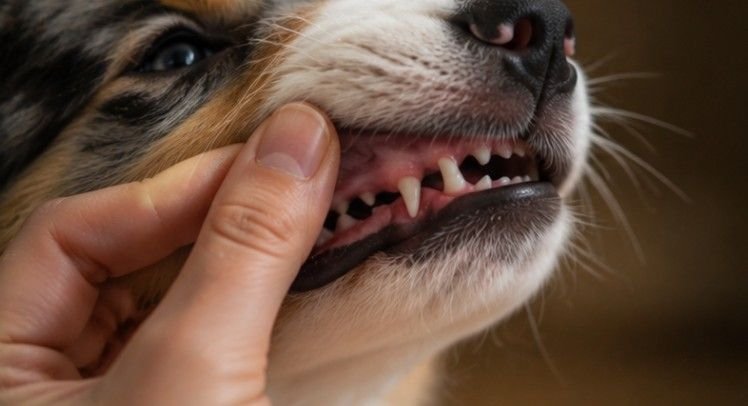
Little canines are born completely toothless and rely entirely on mother’s milk during their first few weeks of life. Tiny milk teeth begin poking through tender gums around three weeks of age starting with the front incisors. By the time they reach eight weeks old a full set of twenty eight sharp baby teeth is fully grown in. During this time, puppies show excessive biting tendency.
Shedding Deciduous Teeth Phase
Puppies start to lose their baby teeth between three and four months of age which marks the official start of the shedding phase. As permanent adult teeth grow deeper in the jawbone they push against the roots of milk teeth. This natural pressure causes baby teeth to loosen and fall out to make room for forty two permanent adult teeth.
Arrival Of Permanent Teeth
Most dogs have all forty two permanent adult teeth firmly in place by the time they reach six to seven months old. Large dog breeds often complete this entire cycle slightly faster than toy breeds though every single dog follows a unique personal timeline.
Practical Steps To Help Your Teething Puppy Thrive
Navigating the heavy chewing phase requires patience and the right household strategies to keep your belongings safe and your puppy comfortable.
Managing Heavy Chewing Habits
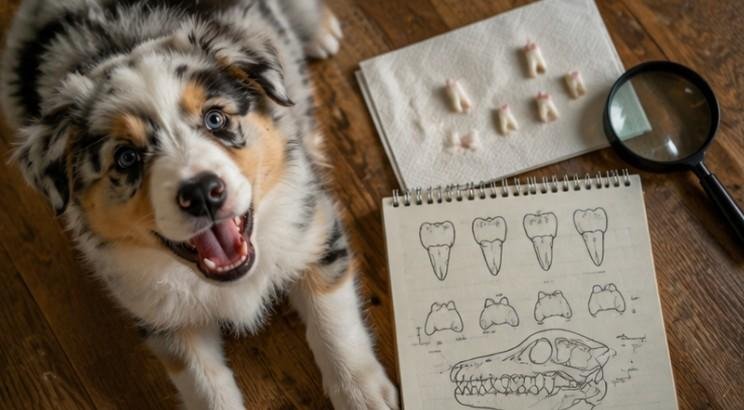
When do puppies lose their baby teeth becomes very obvious when heavy chewing begins because gnawing helps loosen milk teeth and soothe sore gums. Giving your puppy appropriate rubber chew toys protects furniture and shoes from sharp little teeth. Rotating these toys regularly keeps your puppy interested and prevents boredom during long afternoons.
Spotting Missing Teeth Or Tiny Finds
You might occasionally spot a tiny tooth on the floor though many puppies accidentally swallow them while eating without any trouble at all. Checking your puppy’s mouth gently during relaxed cuddle sessions lets you monitor progress without causing stress. Remaining observant ensures you catch any unusual dental developments right away.
Handling Retained Baby Teeth
Sometimes baby teeth refuse to fall out even when permanent adult teeth are already emerging right next to them.
If an adult tooth grows right next to a baby tooth a vet may need to remove the leftover baby tooth during a routine visit. You can learn more about scheduling a check up via the American Animal Hospital Association.
Puppy Dental Care Tips During the Teething Phase
Teething is a natural part of your puppy’s development, but it also marks the beginning of lifelong dental care. While you’re learning when do puppies lose their baby teeth, it’s equally important to establish healthy oral hygiene habits early. Good dental care not only keeps your puppy’s breath fresh but also helps prevent plaque buildup, gum disease, and other oral health problems later in life.

Start Brushing Your Puppy’s Teeth Early
The best time to introduce tooth brushing is while your puppy is still young and getting used to being handled. Use a soft-bristled dog toothbrush or a finger brush along with a toothpaste specially formulated for dogs.
Never use human toothpaste, as ingredients like xylitol and fluoride can be harmful to pets. Begin with short, gentle brushing sessions a few times each week, gradually working up to daily brushing as your puppy becomes more comfortable.
Choose Safe Dental Chews and Toys
During teething, puppies have a strong urge to chew, making dental chew toys an excellent way to soothe sore gums while supporting oral health. Durable rubber chew toys, textured dental toys, and veterinarian-approved dental chews can help reduce plaque and massage the gums. A
void giving hard objects such as cooked bones, antlers, or rocks, which can crack developing teeth or injure your puppy’s mouth.
Schedule Regular Veterinary Dental Checks
Routine veterinary visits are essential for monitoring your puppy’s dental development. Your veterinarian can check that baby teeth are falling out on schedule, identify retained baby teeth, and ensure adult teeth are erupting correctly. Early detection of dental issues can prevent overcrowding, bite problems, and painful infections that may require more extensive treatment later.
Watch for Signs of Dental Problems

While mild gum tenderness and increased chewing are normal during teething, certain symptoms deserve prompt veterinary attention. Persistent bad breath, swollen or bleeding gums, excessive drooling, difficulty eating, loose adult teeth, or baby teeth that remain after adult teeth emerge may indicate an underlying dental problem. With consistent home care and regular checkups, your puppy can develop strong, healthy teeth that last well into adulthood.
Frequently Asked Questions
1. What age is teething worst for puppies?
Teething usually peaks between four and six months of age when large adult molars and canines push through tender gums simultaneously. This specific window often brings maximum chewing and mild discomfort.
2. Do puppies stop biting when their baby teeth fall out?
Puppies naturally reduce intense mouthing once adult teeth fully erupt and sore gums heal completely. Gentle training and consistent redirection during this transition remain necessary for great behavior.
3. What is the 7 7 7 rule for puppies?
The seven seven seven guideline suggests exposing a puppy to seven new types of surfaces, sounds, and experiences during their key social development window. This practice builds lifelong confidence and prevents fear.
4. How to tell when puppy teeth are about to fall out?
Loose teeth, mild gum bleeding, increased drooling, and a sudden obsession with chewing indicate a baby tooth is about to drop out. You might also notice your puppy pausing while eating dry kibble.
Wrapping Up This Chewtastic Journey
Navigating the teething phase takes patience, but providing proper care makes all the difference for your growing companion. By understanding when do puppies lose their baby teeth, you can protect their developing smile and build a wonderful lifelong bond. Enjoy this playful puppy stage while keeping your home safe and your furry friend completely comfortable.