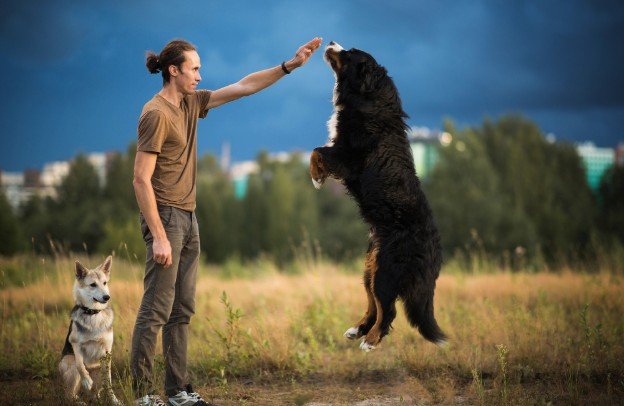
I know how embarrassing it can feel when I open the door and my dog immediately launches toward a visitor. Even when the jumping is friendly, guests may feel nervous, lose their balance or arrive with muddy paw prints on their clothes. Learning how to stop a dog from jumping on guests is not about punishing excitement. It is about showing the dog that calm behavior is the only reliable way to receive attention.
The most effective approach combines preparation, consistent visitor rules and rewards for keeping all four paws on the floor. With regular practice, an uncontrolled doorway greeting can become a calm routine that both the dog and visitors understand.
Why Dogs Jump on Visitors
Dogs frequently jump because the behavior has worked before. A dog jumps, the person talks, pushes them away, makes eye contact or touches them. Although the reaction may be negative, it still gives the dog attention.
Excitement also plays an important role. The sound of a doorbell, approaching footsteps or an opening door can signal that something interesting is about to happen. Dogs that have not learned another greeting behavior may respond by rushing forward and jumping.
Some dogs jump because they naturally attempt to reach a person’s face. Others may be overstimulated, anxious or unsure about visitors. Understanding the reason helps owners choose the right response instead of treating every jump as deliberate disobedience.
Prepare Before the Visitor Arrives
Training is much easier when the dog cannot repeatedly practise the unwanted behavior. Before opening the door, attach a leash or place the dog behind a baby gate. Keep small, high-value treats nearby and prepare a mat or bed several feet away from the entrance.
A short walk, play session or scent-based activity before visitors arrive may reduce excess energy. However, exercise alone will not solve the problem. The dog must still learn what to do when someone enters.
Ask visitors to cooperate before they come inside. They should avoid speaking to, touching or making eye contact with the dog while the dog is jumping. Attention should begin only after the dog becomes calm.
Use a Step-by-Step Doorway Routine
Prevent the First Jump
Keep the dog on a leash at a comfortable distance from the doorway. The leash should prevent contact without becoming tight, as excessive restraint can contribute to barrier frustration in dog behavior.
Ask the visitor to enter quietly and stand still. If the dog tries to jump, move farther away or guide the dog back without shouting, jerking the leash, or pushing the dog.
Reward Four Paws on the Floor
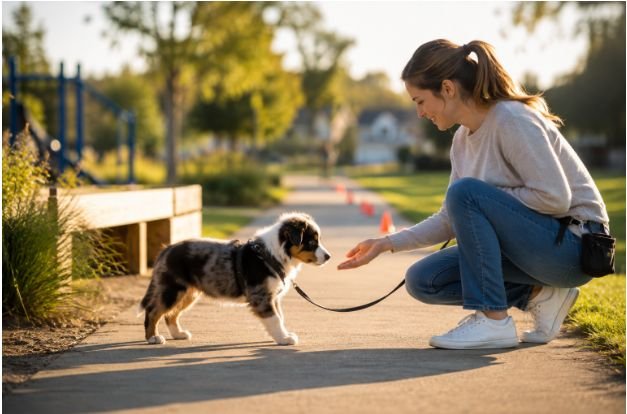
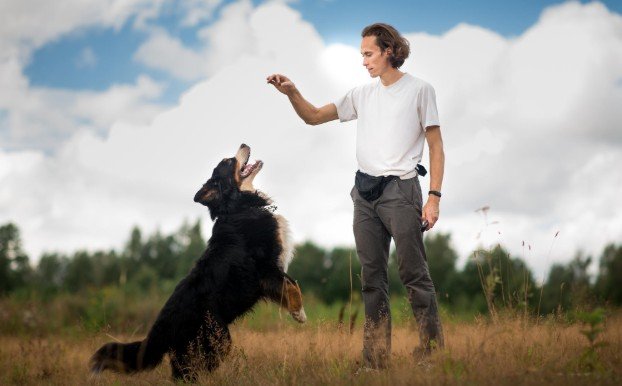
The moment all four paws remain on the ground, mark the behavior with a calm word such as “yes” and provide a treat. Rewards should be delivered low, near the dog’s nose or toward the floor. Holding food too high can encourage the dog to lift upward again.
Repeat this several times before allowing the visitor to greet the dog.
Allow a Controlled Greeting
When the dog is calm, invite the visitor to offer brief attention. The visitor can gently stroke the dog’s chest or side rather than leaning over the head.
If the dog jumps, attention must stop immediately. The visitor should stand upright, fold their arms and look away. Once four paws return to the floor, the greeting may resume.
This teaches a simple pattern: calm behavior makes people approach, while jumping makes attention disappear.
Teach an Alternative Greeting Behavior
A sit can be helpful because a sitting dog cannot jump at the same time. Practise the cue in quiet rooms before expecting the dog to respond near an exciting visitor.
Some dogs become too excited to hold a sit. For them, rewarding four paws on the floor may be more realistic. Another useful option is teaching the dog to go to a designated mat when the doorbell rings.
Begin mat training without visitors. Reward the dog for looking at the mat, stepping onto it and eventually remaining there. Gradually add distance, door sounds and a familiar helper entering the home.
A dog can also be taught to collect a toy before greeting. Carrying an object may redirect excitement and give the dog a predictable arrival task.
Give Guests Clear Instructions
Visitors often unintentionally weaken training by encouraging jumping. Some pat their chest, speak excitedly or say that they do not mind. However, occasional permission makes the rule confusing.
Use a straightforward guest instruction: “Please ignore the dog until all four paws are down. Then you can calmly say hello.”
Children, elderly visitors and anyone who feels nervous should not participate in early training sessions. Keep the dog behind a secure barrier until the greeting is reliably controlled.
Try a Seven-Day Practice Plan
On the first two days, practise calm leash greetings with a household member. The person should step outside, knock and re-enter several times. On days three and four, use a familiar helper. Keep sessions short and repeat only a few successful greetings.
On day five, practise the mat or place cue while the helper opens and closes the door. On day six, add realistic distractions such as a doorbell sound, a coat, a bag or more enthusiastic movement.
On day seven, combine the entire routine. The dog waits, the visitor enters, calm behavior is rewarded and a controlled greeting follows. Progress depends on repetition, not speed. If the dog becomes increasingly excited, make the exercise easier rather than continuing until the dog fails.
Avoid Common Training Mistakes
Do not knee the dog in the chest, step on the paws or hold the front legs. These methods can cause pain, fear or defensive behavior.
Pushing the dog away may also feel like play. Repeating “down” while touching the dog can provide the attention the dog wanted. Following beginner leash training tips that reward calm behavior instead of reacting to jumping can help your dog learn better self-control.
Another mistake is rewarding too late. If the treat appears after the dog has jumped again, the dog may associate the reward with the wrong action. Timing must be immediate and consistent.
Family members must follow the same rule. Allowing jumping during some greetings but correcting it during others slows progress.
Frequently Asked Questions
1. How do I stop my dog from jumping on people at the door?
Use a leash or gate, reward four paws on the floor and ask visitors to remove attention whenever jumping occurs.
2. How long does greeting training take?
Some dogs improve within several sessions, while highly excitable dogs may require weeks of consistent practice in different situations.
3. Should visitors turn their backs when my dog jumps?
Turning away can help, provided the visitor remains calm and the dog is not likely to scratch, mouth or knock them over.
4. What is the best method for how to stop a dog from jumping on guests?
Prevent access to the visitor, reward calm behavior immediately and allow attention only while the dog’s paws remain on the floor.
5. When should I contact a professional trainer?
Seek qualified help if the dog growls, lunges, snaps, guards the entrance, becomes panicked or is too strong to manage safely.
A Calmer Welcome Starts With Consistency
I would not expect my dog to understand polite greetings without teaching and practising them. The doorway is an exciting environment, so management is just as important as training.
When I prevent jumping, reward calm choices and ask every visitor to follow the same rules, the dog receives a clear message. Jumping no longer opens the door to attention. Calm behavior does. That consistency creates safer arrivals, more relaxed visitors and a dog that knows exactly how to earn a friendly welcome.