Bringing home a nervous rescue can feel joyful and overwhelming. I once expected affection to grow quickly, but I learned that trust develops only when a dog feels safe and free from pressure. Learning how to train a rescue dog with trust issues begins before formal obedience.
Why Rescue Dogs May Struggle to Trust
Fear does not automatically prove past abuse. Genetics, poor socialisation, pain, repeated moves, shelter stress, harsh handling, or unfamiliar surroundings can affect behaviour.
Hiding, freezing, barking, pacing, growling, guarding, and refusing food are communication, not stubbornness. Punishment may hide warning signs without changing the fear.
Start With Safety, Not Commands
Create a Quiet Retreat
Provide a bed, crate, or calm corner away from busy doors, children, visitors, and loud appliances. Never drag the dog from this space. A dependable retreat gives the dog control.
Build a Predictable Routine
Feed, walk, rest, and train at consistent times. Keep the first days quiet and limit visitors. Use the 3-3-3 rule only as a flexible guide.
Check Whether Your Dog Can Learn
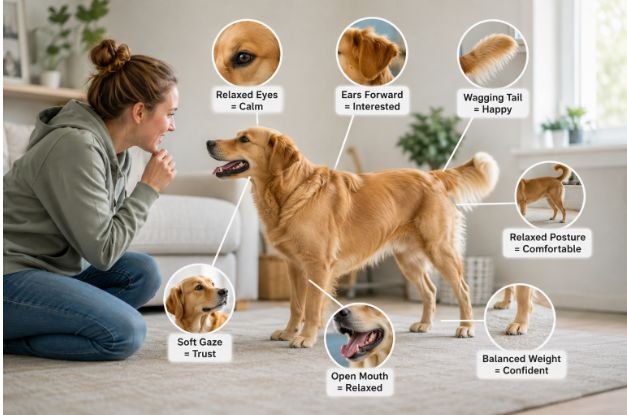
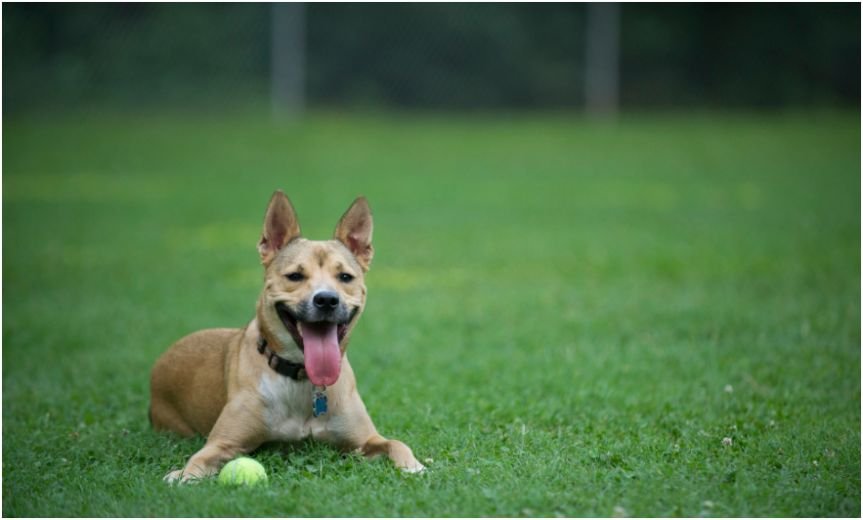
Before training, look for a loose body, normal breathing, interest in food, sniffing, and the ability to look away from a trigger. These signs suggest the dog can learn.
A tucked tail, frozen posture, trembling, lunging, star gazing in a dog, or refusal of treats means the exercise is too difficult. Increase distance, reduce noise, shorten the session, or move somewhere quieter. A dog that will not eat may need safety, not a better treat.
Nine Trust-Building Training Steps
1. Let the Dog Approach
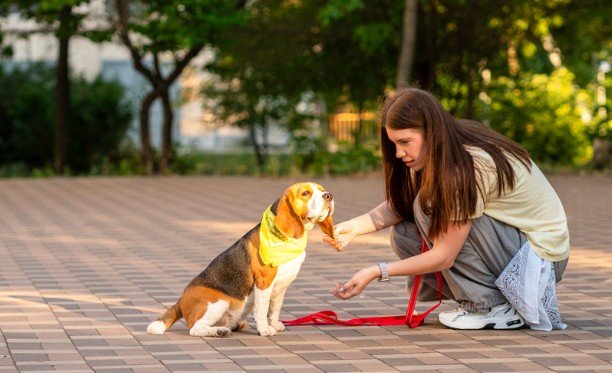
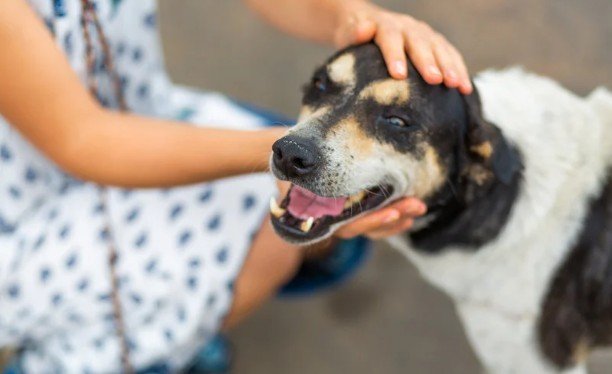
Turn slightly sideways, soften your gaze, and avoid leaning over the dog. Toss a treat nearby instead of reaching toward its face. Voluntary approaches preserve choice.
2. Discover the Best Reward
Rewards may include food, toys, sniffing, praise, distance, or access to a safe place. Use what the dog values.
3. Add a Calm Marker
Choose a word such as “yes.” Say it when the dog performs the desired behaviour, then reward. This identifies the action that earned the result.
4. Begin With Easy Wins
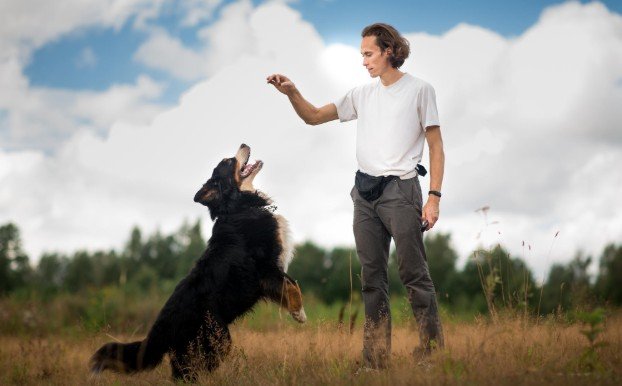
Start with name recognition, hand targeting, eye contact, or one-step luring. These simple skills can also help stop dog from jumping on guests by redirecting attention toward calm, controlled behavior. Keep sessions under five minutes and finish comfortably.
5. Reward Voluntary Check-Ins
Reward the dog for looking toward you without being called. These check-ins create a habit of seeking guidance around distractions.
6. Practise Consent-Based Touch
Pet the chest or shoulder for three seconds, then pause. Continue only if the dog moves closer or stays relaxed. Stop if it turns away, freezes, lip-licks, or leaves.
7. Introduce Triggers Gradually
Present a mild version of a feared sight or sound from a comfortable distance and pair it with something pleasant. Move closer only while the dog remains relaxed.
8. Socialise Without Overwhelming
Let the dog calmly observe selected people, animals, surfaces, sounds, and environments. One controlled positive experience is better than several chaotic encounters.
9. End on Success
Finish after an easy response and allow the dog to rest. Frequent short sessions protect confidence, while long sessions may create frustration.
A Simple First-Week Plan
During days one and two, focus on decompression, meals, toilet breaks, quiet walks, and sleep. On days three and four, toss treats, say the dog’s name once, and reward calm attention. During days five through seven, add a marker word, hand targeting, and confidence games.
Repeat an earlier stage whenever the dog appears worried.
Signs Trust Is Growing
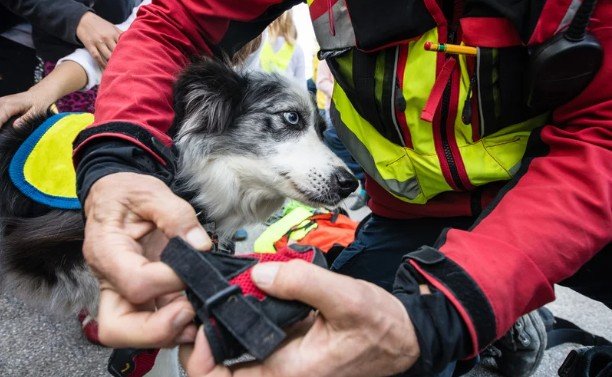
The dog may eat near you, sleep more deeply, enter voluntarily, initiate play, sniff during walks, or recover faster after sudden sounds. A loose body and regular check-ins also show progress. Track changes carefully from week to week.
Mistakes That Can Damage Trust
Avoid shouting, leash corrections, forced greetings, cornering, staring, and taking objects by force. Do not overwhelm the dog with visitors or expect cuddling as proof of gratitude.
Never punish a growl. It gives you time to create distance. Suppressing the warning without resolving the fear can make future behaviour less predictable.
When Professional Help Is Necessary
Arrange a veterinary examination if behaviour changes suddenly, because pain or illness can cause fear or aggression. Seek qualified help if the dog bite infection, injures itself, cannot eat, panics when left alone, guards intensely, or makes little progress.
Choose a reward-based trainer. Severe cases may require a veterinary behaviourist.
Frequently Asked Questions
1. How Long Does a Rescue Dog Take to Trust an Owner?
There is no fixed timeline. Temperament, health, environment, and daily experiences matter most.
2. Should I Ignore a Frightened Rescue Dog?
Give the dog space without withdrawing care. Move calmly, follow a routine, and let interaction develop without pressure.
3. What Is the Best Way to Learn How to Train a Rescue Dog With Trust Issues?
Begin with safety, predictable routines, short reward-based sessions, voluntary interaction, gradual exposure, and professional guidance when fear or aggression creates risk.
4. Can an Older Rescue Dog Learn to Trust?
Yes. Adult and senior dogs can form secure relationships and learn new behaviours, although their pace should guide the plan.
A Safer Bond Starts With Small Choices
I have found that the biggest shift comes when I stop asking, “Why will this dog not obey?” and start asking, “What would help this dog feel safe enough to respond?” Trust grows through calm rewards and permission to step away.
Stay patient and notice small victories. Obedience may be visible, but emotional safety makes lasting learning possible.