
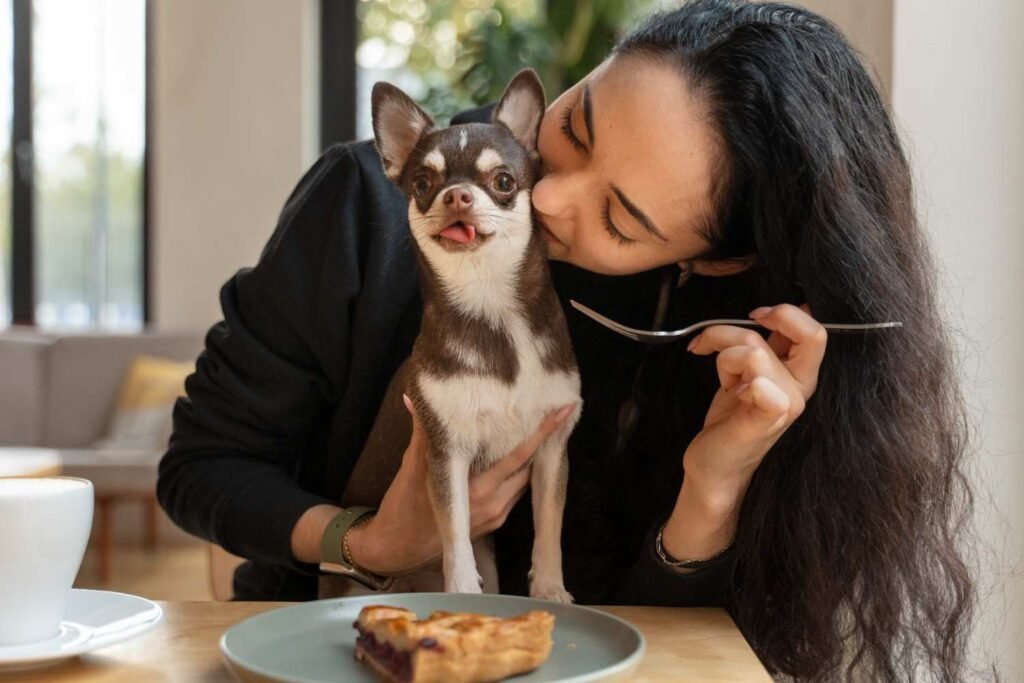
A Chihuahua’s digestion can react quickly to a new recipe, rich table scraps, or an ingredient that does not agree with them. When I shop for the best dog food for a chihuahua with a sensitive stomach, I focus on complete nutrition, a named protein, digestible carbohydrates, moderate fat, supportive fiber, and kibble that fits a toy-sized mouth.
Persistent vomiting, diarrhea, weight loss, or poor appetite deserves veterinary attention because food is only one possible cause.
What Is the Best Sensitive-Stomach Food for a Chihuahua?
My strongest general pick for a healthy adult is Purina Pro Plan Sensitive Skin & Stomach Small Breed Salmon & Rice Formula. It uses salmon, includes natural prebiotic fiber, and comes in small-breed kibble. Purina also states that the formula supports stool quality and digestive health.
Hill’s Science Diet Sensitive Stomach & Skin Small & Mini is a practical alternative when a Chihuahua tolerates chicken. Hill’s describes it as highly digestible and includes prebiotic fiber, omega fatty acids, and antioxidants.
For dogs that do poorly on chicken-based recipes, Blue Buffalo Basics Small Breed Turkey & Potato offers a chicken-free, limited-ingredient option with deboned turkey and digestible carbohydrates. “Limited ingredient” does not mean allergy-proof. A dog can still react to turkey, potato, treats, or flavored medication.
If symptoms continue, I would ask a veterinarian about a hydrolyzed or novel-protein elimination diet rather than trying one retail formula after another. These trials require strict control of treats, supplements, medications, and flavored products.
Which Ingredients Should I Prioritize for Sensitive Digestion?
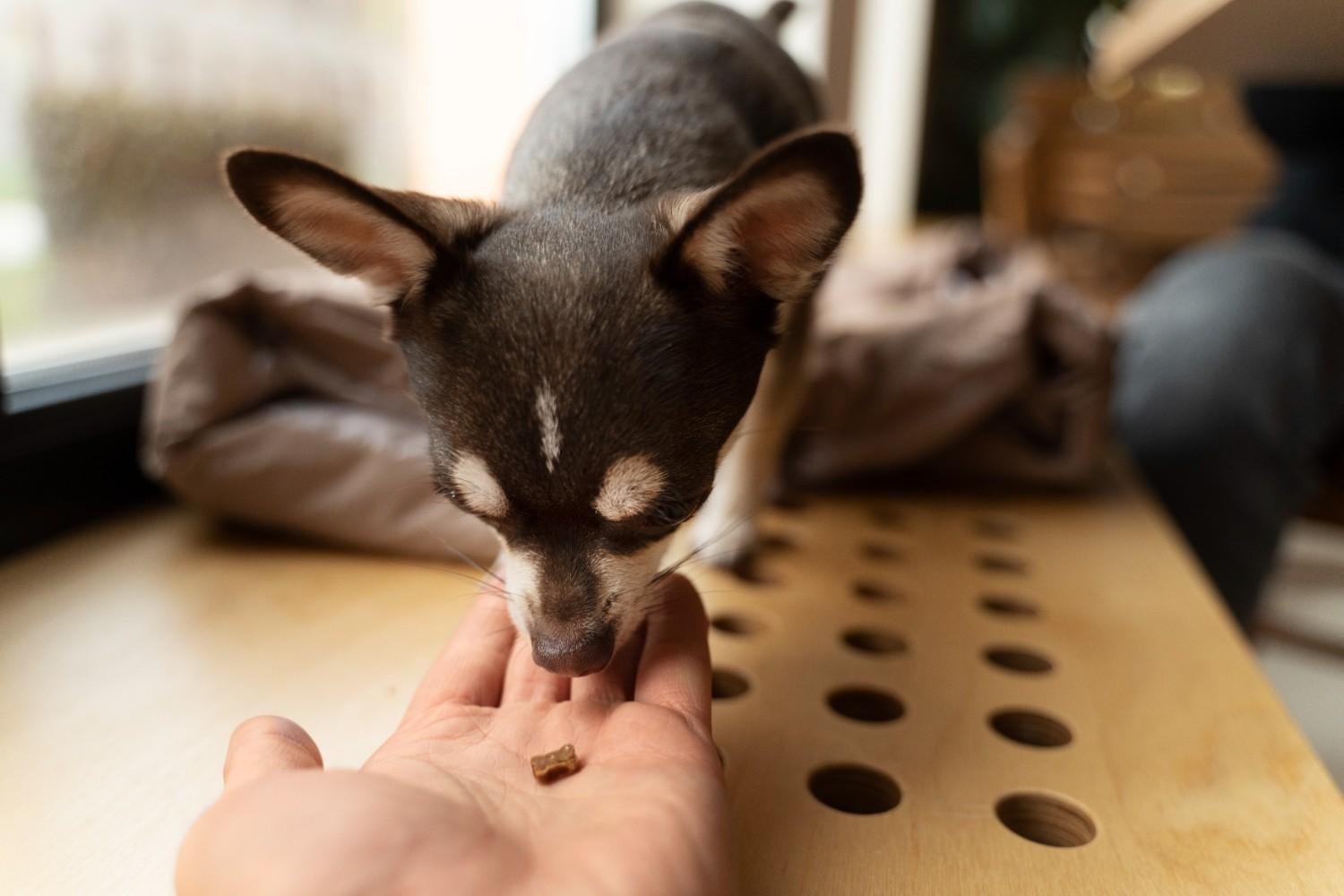
I first check the nutritional adequacy statement. In the United States, a food labeled “complete and balanced” is intended to provide the nutrients required as a sole diet for the stated life stage. A puppy needs a growth-appropriate formula, while a healthy adult usually needs adult-maintenance food.
A named, well-tolerated protein such as salmon, turkey, lamb, or chicken makes the diet easier to evaluate. A novel protein helps only when it is genuinely new to that dog. White rice and oatmeal are common, easily digestible carbohydrate sources.
I do not automatically reject grains. Wheat is only a problem when the individual dog reacts to it. Prebiotic fibers such as dried beet pulp, chicory root, or fructooligosaccharides can nourish selected intestinal bacteria and support digestive health.
Small toy-breed kibble is also easier for a Chihuahua to pick up and chew. However, kibble size alone cannot prevent choking, especially when a dog eats too quickly.
What Ingredients Can Upset a Chihuahua’s Stomach?
Rich, high-fat meals can trigger vomiting or diarrhea in some dogs, and a veterinarian may recommend a lower-fat diet for certain gastrointestinal conditions. Fat remains an essential nutrient, so I look for an appropriate level rather than simply choosing the lowest number on the label.
I also prefer clearly identified animal ingredients. “Chicken meal” or “turkey meal” is not automatically poor quality. The key during a food trial is knowing the protein source. Vague descriptions such as unspecified animal derivatives make potential triggers harder to identify.
Unnecessary artificial colors and flavors add no nutritional or digestive benefit. Dairy may cause gas, bloating, or loose stool in dogs that do not tolerate lactose.
Wheat should not be treated as a universal allergen, and grain-free food is not automatically gentler. I would remove an ingredient only when the dog’s history or a veterinarian-supervised elimination trial suggests that it is causing the problem.
Is Wet or Dry Food Better for a Sensitive Chihuahua?

Neither format suits every dog. Dry small-breed food offers easy portioning, convenient storage, and appropriately sized pieces. Wet food adds moisture and may appeal to picky dogs or Chihuahuas with dental discomfort.
I compare the complete recipe, calories, life-stage statement, and serving size rather than judging food by texture alone. Because Chihuahuas eat small portions, even a minor measuring error can add unnecessary calories. I measure meals carefully and account for treats.
How Should I Switch a Chihuahua to New Food?
A sudden food change may worsen vomiting, diarrhea, gas, or appetite loss. I normally mix a small amount of the new recipe into the old food and increase it gradually over about seven to ten days. A dog with an especially sensitive digestive tract may need a slower transition.
During the change, I track stool consistency, gas, scratching, vomiting, and appetite. I also avoid adding new treats or supplements because too many simultaneous changes make it difficult to identify what helped or caused the reaction.
What Can I Give a Chihuahua for a Temporary Upset Stomach?
For a mild, short-lived episode, and only after a veterinarian says home care is appropriate, small meals of plain boiled skinless chicken breast and boiled white rice may be used temporarily.
The chicken must be fully cooked without oil, salt, bones, butter, sauces, or seasoning. Do not use chicken when a food allergy or intolerance is suspected.
Plain canned pumpkin—not sweetened pumpkin pie filling—can add soluble fiber and may help some dogs with loose stool. Use a veterinarian-approved amount because too much fiber can make digestive symptoms worse. Chicken, rice, and pumpkin are temporary options, not complete long-term diets.
When Does a Chihuahua Need a Veterinarian?

Call a veterinarian promptly for repeated vomiting, blood in vomit or stool, severe diarrhea, weakness, abdominal pain, dehydration, refusal to eat or drink, or unexplained weight loss.
Puppies, senior Chihuahuas, and dogs with existing medical conditions may deteriorate faster. Vomiting combined with diarrhea, lethargy, or poor appetite may require urgent care.
Frequently Asked Questions (FAQs)
1. What Is the Best Dry Food for a Chihuahua With Diarrhea?
The best dog food for a chihuahua with sensitive stomach and diarrhea depends on the cause. A digestible small-breed formula may help mild food-related sensitivity, but parasites, infection, pancreatitis, or another illness requires diagnosis.
2. Is Chicken Bad for Chihuahuas With Sensitive Stomachs?
No. Many Chihuahuas tolerate chicken without difficulty. Avoid it when repeated reactions or a veterinarian-supervised elimination trial indicates that chicken is a trigger.
3. Can a Chihuahua Eat Chicken, Rice, and Pumpkin Every Day?
Not as an unbalanced homemade diet. These foods may support short-term recovery when a veterinarian approves them, but they do not reliably provide complete nutrition for everyday feeding.
4. Are Grain-Free Foods Better for Sensitive Chihuahuas?
Not necessarily. Rice and oatmeal can be gentle carbohydrate sources for many dogs. Choose grain-free food only when a veterinarian identifies a specific reason to avoid grains.
A Gentler Feeding Plan Starts With the Right Match
I would choose the best dog food for a Chihuahua with a sensitive stomach by matching the formula to the dog’s age, symptoms, protein history, calorie needs, and veterinary findings. Start with a complete and balanced small-breed recipe, transition slowly, and use a dog feeding chart by weight in pounds as an initial portioning guide. Measure meals accurately, monitor your dog’s body condition, and seek veterinary help when symptoms persist.