Author: Mateo Vidal

  • Tibetan Terrier Size and Breed Characteristics Guide

    Tibetan Terrier Size and Breed Characteristics Guide

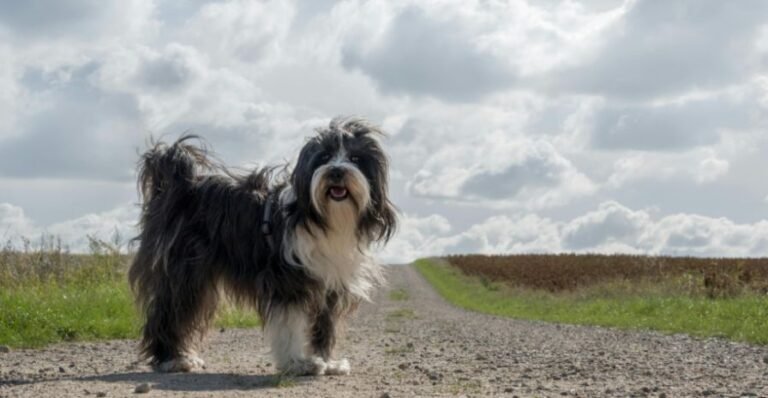
    The first time I saw a Tibetan Terrier standing beneath its long coat, I expected a much larger dog. Its abundant hair, broad feet, and heavily feathered tail create a surprisingly substantial outline. However, the actual tibetan terrier size and breed characteristics place this sturdy dog comfortably within the medium-size range.

    An adult Tibetan Terrier generally stands 14 to 17 inches tall and weighs 18 to 30 pounds. Beneath the dramatic coat is a compact, muscular, squarely built dog developed for movement across demanding Himalayan terrain.

    Tibetan Terrier Height, Weight, and Body Proportions

    Understanding the Tibetan Terrier’s measurements requires looking beyond the coat. The breed can appear heavy, but much of that visual volume comes from its profuse hair.

    Average Height

    The American Kennel Club lists the Tibetan Terrier’s typical height as 14 to 17 inches at the shoulder. The official US breed standard describes an average height of 15 to 16 inches for males, with females usually being slightly smaller.

    Measure a dog from the ground to the highest point of the shoulder blades. Do not measure to the top of the head or coat.

    The Royal Kennel Club uses a slightly narrower preferred range. Its standard lists males at 14 to 16 inches, with females somewhat smaller. Small differences between national standards are normal and do not change the breed’s overall medium-size classification.

    Healthy Adult Weight

    Most adult Tibetan Terriers weigh between 18 and 30 pounds. The official AKC standard identifies 20 to 24 pounds as the average range, although healthy dogs may fall above or below that figure depending on height, sex, frame, and condition.

    A well-conditioned dog should feel solid rather than delicate. You should be able to feel the ribs beneath the coat without seeing sharp bones or pressing through a thick layer of fat.

    The coat can make body condition difficult to judge visually. I find that a hands-on rib and waist check gives a more accurate picture than appearance alone.

    Why the Square Body Shape Matters

    One of the defining Tibetan Terrier breed characteristics is its square proportion. The distance from the shoulder to the rear of the body should closely match the dog’s height at the shoulder.

    This shape gives the breed a compact, balanced outline. It should not look long-backed, low to the ground, or unusually tall and narrow.

    The Tibetan Terrier Club of America describes the breed as powerful, profusely coated, and square in proportion. Its construction supports strong, efficient movement rather than exaggerated speed or bulk.

    Distinctive Tibetan Terrier Physical Characteristics

    Distinctive Tibetan Terrier Physical Characteristics

    The most memorable features of this breed are not decorative accidents. Many reflect the type of dog preserved for centuries in Tibet.

    Large Snowshoe Feet

    Tibetan Terriers have unusually large, round, flat feet. Unlike the compact, arched feet seen in many breeds, these feet create a broad surface sometimes described as a snowshoe effect.

    The official breed description connects this shape with improved traction. Broad feet would have helped dogs maintain their footing across snow, rocks, and uneven mountain ground.

    This feature provides an immediate identification clue. When I compare a Tibetan Terrier with a similarly coated dog, the broad feet often reveal the difference first.

    Owners should inspect the hair between the pads regularly. Matted hair, ice, road salt, or small debris can make walking uncomfortable.

    Long Double Coat

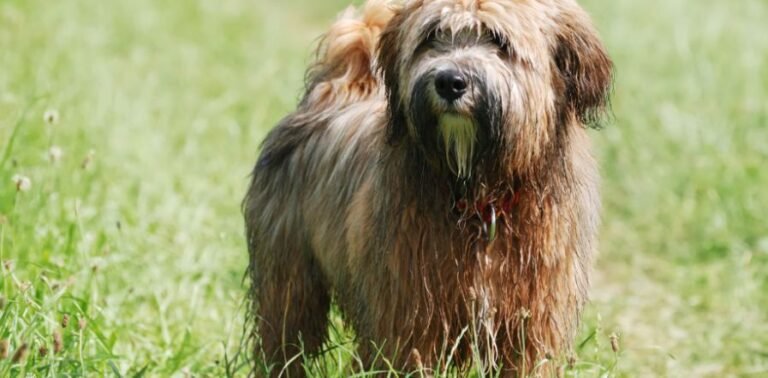
    The Tibetan Terrier carries a protective double coat. The undercoat is fine and woolly, while the outer coat is abundant and may be straight or gently wavy.

    The coat should look natural rather than silky, tightly curled, or artificially sculpted. It parts across the back and covers much of the dog’s body.

    This weather-resistant coat helped insulate the breed in a harsh climate. In a modern home, however, it creates a serious grooming commitment. Brushing only the visible surface can leave dense tangles close to the skin.

    Facial Hair and Dark Eyes

    Long hair falls naturally over the eyes and foreface. This characteristic gives the Tibetan Terrier its unmistakable shaggy expression.

    The hair may look as though it blocks the dog’s vision, yet the breed standard expects the eyes to remain visible when the coat is examined correctly. The eyes are generally large, dark, and set fairly wide apart.

    Owners may tie the facial hair loosely or trim it for convenience. A show coat is usually maintained in a more natural condition.

    Feathered Tail and Balanced Movement

    The tail is heavily feathered, carried high, and curled over the back. It may fall toward either side rather than forming a perfectly centered circle.

    The tail completes the breed’s compact outline. A low, thin, or sparsely coated tail would not produce the same characteristic appearance.

    Despite the volume of hair, a Tibetan Terrier should move freely. Its gait should look smooth, balanced, and efficient. The breed is sturdy and agile rather than slow or cumbersome.

    Is the Tibetan Terrier Actually a Terrier?

    Is the Tibetan Terrier Actually a Terrier?

    The name causes frequent confusion. The Tibetan Terrier is not a true terrier and was not developed primarily to pursue vermin underground.

    The AKC places the breed in the Non-Sporting Group. Historical accounts describe Tibetan Terriers as companions, watchdogs, and versatile dogs associated with Tibetan communities and monasteries. The word “terrier” was applied by Western observers because of the breed’s manageable size, not because of a shared working history with traditional terriers.

    That distinction matters for owners. People expecting the intense digging, hunting, and prey-driven behavior associated with some terriers may find a different personality here.

    For a closer look at the breed’s emotional nature, alertness, and family behavior, read about tibetan terrier temperament and personality traits.

    How Big Does a Tibetan Terrier Look at Home?

    How Big Does a Tibetan Terrier Look at Home?

    Measurements alone do not show how much space a dog occupies. A 22-pound Tibetan Terrier often looks closer in size to a heavier breed because its coat expands its silhouette.

    My practical size comparison is this: the dog is usually compact enough to sit beside an adult on a sofa, yet substantial enough that carrying it for long periods becomes tiring. It is not a lap-sized toy breed.

    A typical adult can fit comfortably in many apartments, provided it receives regular exercise. However, its tail, coat, and playful movement require more floor space than its weight might suggest.

    Crates, beds, harnesses, and travel carriers should be selected using actual body measurements. Buying accessories based only on weight may result in a cramped fit.

    Coat Colors and Overall Appearance

    Tibetan Terriers occur in a broad range of colors and markings. Accepted shades may include white, black, cream, gold, gray, smoke, parti-color, and tricolor combinations.

    The Royal Kennel Club standard permits many colors but excludes chocolate, liver, and merle. Standards can vary slightly by registry, so breeders and exhibitors should consult the rules governing their location.

    Color does not determine adult size, working ability, or personality. Buyers should place health, structure, and responsible breeding above a preference for unusual markings.

    Physical Traits That Affect Daily Care

    The same tibetan terrier size and breed characteristics that make the dog appealing also shape its care requirements.

    The double coat needs thorough brushing down to the skin. Common trouble spots include the ears, legs, armpits, collar area, belly, and tail. Owners who prefer easier maintenance often choose a shorter pet trim.

    The broad, hairy feet require regular inspection and nail care. Long hair around the pads can reduce grip on smooth floors or collect moisture after outdoor walks.

    The facial coat also needs attention. Food, water, and outdoor debris can cling to the hair around the mouth and eyes.

    Weight monitoring deserves equal attention. Because the coat hides the waist and ribs, monthly hands-on checks can reveal changes earlier than photographs.

    Because the long coat can conceal gradual weight changes, owners should combine regular body-condition checks with portions suited to the dog’s size, age, and activity level. A dog feeding chart by weight in pounds  can provide a practical starting point, although individual calorie needs may vary.

    Does This Breed Suit Your Household?

    The Tibetan Terrier offers a useful middle ground between a small companion and a large athletic dog. It is portable enough for many homes but sturdy enough for active walks, games, and canine sports.

    Its size may suit families who want a substantial dog without the food costs, equipment, and physical handling demands of a much larger breed. However, coat care can require more time than many short-haired large dogs need.

    Prospective owners should consider grooming, barking, exercise, training, and emotional sensitivity alongside measurements. Breed size determines only part of the ownership experience.

    A responsible breeder should willingly discuss the parents’ adult size, health testing, coat type, and temperament. Meeting mature dogs provides a clearer expectation than viewing young puppies alone.

    Frequently Asked Questions

    1. How big does a full-grown Tibetan Terrier get?

    Most adults reach 14 to 17 inches tall and weigh approximately 18 to 30 pounds.

    2. At what age is a Tibetan Terrier fully grown?

    Most reach close to their adult height during the first year, although their body, coat, and muscle may continue maturing afterward.

    3. Is a Tibetan Terrier a small or medium dog?

    It is generally classified as a medium-sized dog, although smaller adults may sit near the upper end of the small-dog range.

    4. What are the most recognizable Tibetan Terrier size and breed characteristics?

    The square build, broad snowshoe feet, long double coat, facial fall, and feathered curled tail are the clearest identifying features.

    Shaggy Outside, Surprisingly Solid Inside

    The Tibetan Terrier may resemble a soft, flowing cloud, but beneath that coat is a powerful and carefully balanced dog. Its moderate height, 18-to-30-pound weight range, square body, and broad feet separate it from lighter companion breeds.

    Before choosing one, meet a fully grown adult and handle the coat with your own hands. That simple step reveals the breed’s real size, solid build, and grooming demands far better than a puppy photograph ever could.

  • Tibetan Terrier Temperament and Personality Traits

    Tibetan Terrier Temperament and Personality Traits

    A Tibetan Terrier can adore its family, question an unnecessary command, and announce a delivery driver within the same minute. That unusual combination defines many Tibetan Terrier temperament and personality traits.

    When I assess this breed, I do not see a conventional terrier or an unquestioning lapdog. I see a sensitive companion with an observant mind, a playful spirit, and firm opinions about how life should work.

    What Is a Tibetan Terrier’s Temperament Like?

    The typical Tibetan Terrier is affectionate, alert, intelligent, lively, and emotionally responsive. These dogs usually develop close family bonds without becoming friendly toward every person they meet.

    The American Kennel Club describes the breed as affectionate, sensitive, and clever. The Royal Kennel Club standard calls it outgoing, alert, intelligent, and sparing with affection toward strangers. These descriptions capture the breed’s central contrast: warm at home but selective outside it.

    Individual dogs still vary. Genetics, early handling, training, health, and daily experiences influence behavior. A confident puppy from a responsible breeder may approach life differently from a poorly socialized adult.

    Why Tibetan Terriers Act Unlike True Terriers

    Why Tibetan Terriers Act Unlike True Terriers

    Despite the name, the Tibetan Terrier is not a true terrier. It was not developed primarily to chase vermin underground.

    The breed spent centuries as a companion, property watcher, and useful household dog in Tibet. Tibetan Terrier Club of America history describes these dogs as highly valued companions that also helped protect property and assist families. They were even called “little people.”

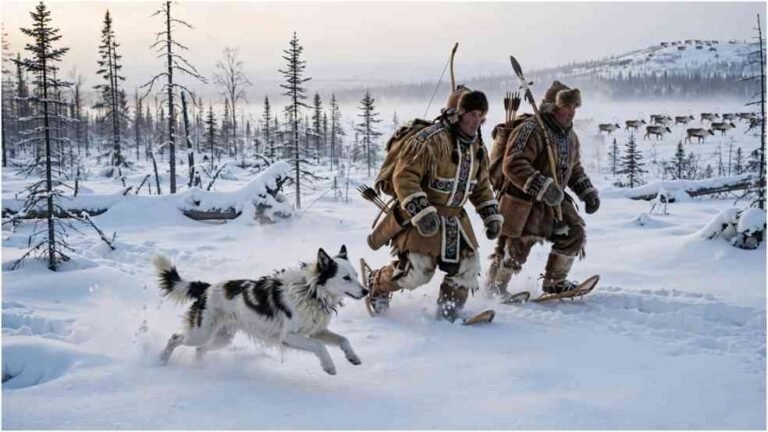
    Comparing this background with West Siberian Laika size and breed characteristic can help readers see how different working histories shape not only a dog’s build and coat, but also its independence, stamina, alertness, and everyday behavior.

    That background helps explain the modern dog. A Tibetan Terrier wants to stay involved with its people, monitor changes, and make independent judgments. It may chase a squirrel, but its personality differs from that of a hard-driving working terrier.

    Understanding this history prevents mismatched expectations. Owners expecting automatic obedience may find the breed stubborn. People expecting a passive couch dog may be surprised by its athletic playfulness and watchful barking.

    Core Tibetan Terrier Personality Traits

    Core Tibetan Terrier Personality Traits

    Deep Loyalty and Family Attachment

    Strong family attachment sits at the center of Tibetan Terrier temperament and personality traits. Many dogs follow their owners between rooms, settle near family activity, and notice changes in household routines.

    Their affection often feels selective rather than indiscriminate. A Tibetan Terrier may greet its favorite person with enthusiastic bouncing, then calmly ignore a stranger.

    This closeness makes the breed rewarding for people who enjoy daily interaction. It can become difficult when a dog receives no practice being alone. Owners should teach short, calm separations before dependence turns into distress.

    Intelligence With an Independent Streak

    Tibetan Terriers learn patterns quickly. They notice where treats are stored, what time walks happen, and which family member is most likely to share food.

    However, intelligence does not always produce instant obedience. The Tibetan Terrier Club of America notes that the breed can have an independent streak or appear to have its own agenda. VCA also describes it as a fast learner that can be stubborn.

    I find this distinction useful: a confused dog cannot complete the task, while an independent dog may understand the task and decide that the reward is insufficient. Better motivation often solves the problem more effectively than repetition.

    Sensitivity Beneath the Shaggy Coat

    Tibetan Terriers tend to notice tone, posture, and household tension. Harsh corrections can make a sensitive dog hesitant, avoidant, or less willing to engage.

    This does not mean owners should allow unwanted behavior. Clear limits still matter. The best approach combines calm interruption, predictable rules, and rewards for the desired response.

    Owners who understand dog stress signals can respond before discomfort develops into avoidance, defensive barking, or reduced trust. Early signs such as lip licking, turning away, freezing, lowered posture, or repeated yawning can indicate that a sensitive Tibetan Terrier needs more distance or a calmer approach.

    A dog that barks at the window, for example, should not be shouted into silence. Teach a cue such as “thank you,” guide the dog away, and reward quiet behavior. This respects the watchdog instinct without letting it control the home.

    Playful Energy That Lasts Into Adulthood

    Many Tibetan Terriers remain bouncy, comic, and puppy-like after physical maturity. They may race through the house, carry toys from room to room, or invent games around furniture.

    They need daily movement, but they are not usually relentless endurance dogs. The Royal Kennel Club lists up to one hour of daily exercise as a general breed guideline. Individual needs vary with age and health.

    Mental activity matters just as much. Scent games, trick training, food puzzles, and varied walking routes help satisfy an observant dog.

    Behavior Around Strangers, Children, and Pets

    Behavior Around Strangers, Children, and Pets

    Reserved but Usually Not Aggressive

    Tibetan Terriers often pause before accepting unfamiliar people. Some stand back and observe. Others bark until they understand the situation.

    Reserved behavior should not automatically be labeled fear or aggression. The breed standard specifically describes these dogs as sparing with affection toward strangers while being neither fierce nor pugnacious.

    Good socialization should create calm confidence, not force every dog to enjoy physical contact from everyone. Let the dog approach voluntarily while visitors avoid looming, staring, or reaching over its head.

    Living With Children

    A well-socialized Tibetan Terrier can become a playful family companion. Its sturdy, medium-sized build often suits active households better than that of a fragile toy breed.

    However, children must respect the dog. They should not pull its coat, climb on it, disturb sleep, or corner it. Adults should supervise interactions, especially with young children.

    This breed’s sensitivity makes respectful handling essential. A child who learns to call the dog over rather than chase it will usually build greater trust.

    Compatibility With Other Pets

    Many Tibetan Terriers live successfully with other dogs and cats, particularly when introduced carefully. Early social experience can improve tolerance and communication.

    Some individuals may chase small animals or guard valued objects. Introductions should therefore remain controlled. Feed pets separately at first, supervise play, and provide each animal with a private resting area.

    Barking, Watchdog Instincts, and Separation

    Alert barking is one of the most noticeable Tibetan Terrier temperament and personality traits. These dogs often report hallway sounds, visitors, vehicles, or unusual activity.

    That behavior comes from a long history of watching property. It should be managed rather than treated as a moral failure.

    Apartment living can still work, but owners must address barking early. White noise, blocked window access, enrichment, and a trained quiet cue can reduce repeated alarms.

    Separation is another consideration. A Tibetan Terrier may struggle when companionship suddenly disappears for a full workday. Signs of distress can include pacing, vocalizing, destruction, drooling, or attempts to escape.

    Build independence gradually. Begin with brief departures, offer a safe resting area, and return before the dog becomes overwhelmed. Serious separation-related behavior deserves help from a veterinarian or qualified behavior professional.

    Training a Clever but Strong-Willed Tibetan Terrier

    Training works best when it feels relevant and rewarding. Long, repetitive drills can cause a Tibetan Terrier to disengage.

    I prefer short sessions of three to five minutes. I would practice one behavior, reward success, and stop while the dog still wants more.

    Use food, toys, movement, praise, and access to desired activities. A dog that loves sniffing can earn permission to investigate a tree after walking politely for several steps.

    Consistency matters more than force. Every family member should use the same cues and rules. Mixed expectations teach the dog to test each person separately.

    Recall training deserves special attention. Practice indoors first, then use a long line outdoors. Do not repeatedly call the dog for unpleasant events, such as ending every play session.

    The Three-Moment Tibetan Terrier Personality Test

    I use three everyday moments to explain this breed more clearly than a simple trait list.

    First, watch the doorway. A typical Tibetan Terrier may alert, observe, and delay contact with a visitor. This reveals its watchdog history and stranger reserve.

    Second, watch family downtime. The dog may rest close to its people without remaining on a lap. This shows attachment combined with independence.

    Third, watch a training decision. The dog may learn a cue quickly but perform it more reliably when the reward has value. This exposes intelligence, sensitivity, and personal judgment.

    Together, these moments show why the breed feels so distinctive. It is neither clingy in every situation nor emotionally distant. It wants connection while retaining agency.

    Is a Tibetan Terrier Right for Your Household?

    A Tibetan Terrier may suit you when you want an affectionate, intelligent dog that enjoys family involvement. It can adapt to a house or apartment when exercise, training, grooming, and barking are handled responsibly.

    The breed may be a poor match for someone who wants silent living, instant obedience, or a dog that remains alone for long periods every day.

    Prospective owners should meet adult dogs as well as puppies. Adults reveal the mature temperament more accurately. Ask breeders about confidence, noise sensitivity, sociability, and behavior within their lines.

    Frequently Asked Questions

    1. Are Tibetan Terriers good family dogs?

    Yes. They can be affectionate and playful family dogs when children use respectful handling and adults supervise interactions.

    2. Do Tibetan Terriers bark a lot?

    Many bark readily at unfamiliar sounds because of their watchdog background, although training and environmental management can reduce excessive barking.

    3. Are Tibetan Terriers easy to train?

    They learn quickly but may act independently, so brief positive sessions usually work better than harsh or repetitive training.

    4. What are the main Tibetan Terrier temperament and personality traits?

    The main traits include loyalty, sensitivity, intelligence, stranger reserve, alert barking, playful energy, and an independent decision-making style.

    Shaggy, Smart, and Definitely Not a Yes-Dog

    The Tibetan Terrier offers deep affection without surrendering its individuality. That balance makes the breed charming, funny, and occasionally challenging.

    I would choose this dog for its relationship-focused personality, not for automatic obedience. Before bringing one home, spend time with mature Tibetan Terriers and observe how they react to visitors, training, noise, and quiet family moments. Those small interactions reveal more than appearance ever can.

  • What Did the Hare Indian Dog Look Like? Full Guide

    What Did the Hare Indian Dog Look Like? Full Guide

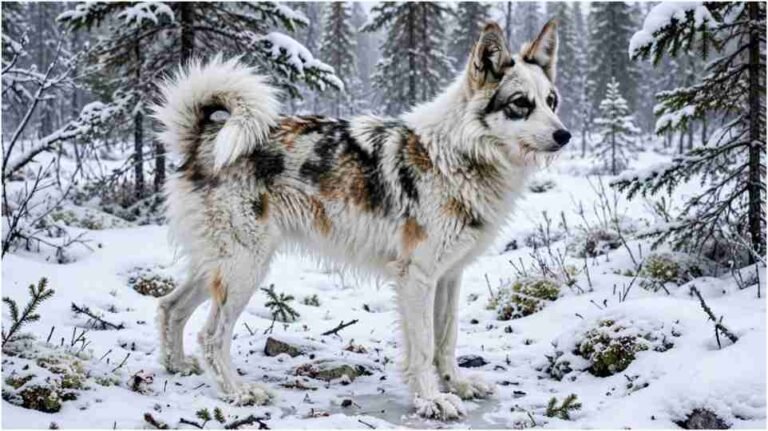
    The Hare Indian dog looked like a small, delicately built coyote wrapped in a thick northern coat. It had a narrow muzzle, upright ears, long legs, broad furry feet, and a bushy tail.

    When I first studied historical illustrations, I was struck by how little it resembled a heavy Arctic sled dog. Anyone asking what did the hare indian dog look like should picture an agile hunting canine rather than a powerful freight animal.

    Its appearance reflected its purpose. This extinct dog needed speed, balance, and snow-ready feet to pursue game across northern Canada.

    The Hare Indian Dog at a Glance

    The Hare Indian dog was a small and slender domesticated canid. Its body fell somewhere between the size of an American red fox and a coyote, according to historical descriptions.

    It had a small head, a sharply pointed muzzle, long legs, erect ears, and a thick tail. Its base coat was usually white, broken by gray, black, brown, and fawn markings.

    The overall impression was graceful rather than muscular. Its narrow frame made it look alert, swift, and almost foxlike from certain angles.

    The breed is now extinct or has lost its separate identity through interbreeding. A genetic study of Native American dogs also lists the Hare Indian dog among Indigenous Arctic dog populations that disappeared as traditional hunting practices declined.

    How Large Was the Hare Indian Dog?

    How Large Was the Hare Indian Dog?

    No reliable modern breed standard records an exact height or weight. Historical writers instead compared its size with familiar wild canids.

    The Hare Indian dog was reportedly larger than an American red fox but smaller than a coyote. That description suggests a lightweight hunting dog, not a large wolf-sized animal.

    Its proportions mattered more than raw size. Long legs increased its stride, while a narrow body reduced the effort required to travel over snow.

    When reconstructing extinct breeds, I avoid assigning precise measurements without trustworthy evidence. Illustrations can distort scale, and nineteenth-century descriptions did not follow modern kennel-club standards.

    What Did Its Head and Face Look Like?

    What Did Its Head and Face Look Like?

    The dog’s head created much of its distinctive coyote-like appearance. It was small in relation to the body, with fine features and an alert expression.

    A Long, Narrow Muzzle

    Its muzzle was exceptionally slender, elongated, and sharply pointed. The hair around the muzzle was short and predominantly white.

    This narrow facial structure made the dog look less like a broad-headed domestic breed and more like a fox or coyote. Historical naturalist John Richardson described a small head, slender muzzle, oblique eyes, and a mild expression.

    Although the muzzle appeared delicate, it belonged to an active hunting dog. The breed helped pursue game rather than overpowering animals through jaw strength.

    Erect Ears and Dark Facial Markings

    The ears were broad at the base, pointed at the tips, and carried fully upright. They were reportedly positioned closer together than those of the Canadian Eskimo Dog.

    Short brown hair covered the outer ears and became darker near the base. Longer white fur lined the interior.

    Black markings around the eyes stood out against the white facial coat. Its nose, lips, and eyelashes were also dark, giving the face a sharply outlined appearance.

    These features produced an alert expression that may have appeared both gentle and wild.

    What Type of Body Did It Have?

    What Type of Body Did It Have?

    The answer to what did the hare indian dog look like becomes clearer when its body is viewed as a complete hunting system.

    It had a narrow torso, fine bones, and unusually long, slender legs. Nothing about the breed suggests the square, heavy build associated with powerful pulling dogs.

    Long Legs and a Lightweight Frame

    The Hare Indian dog’s legs were slim but well suited to sustained movement. Its light build likely helped it conserve energy while following animals over long distances.

    Historical accounts connect the breed with coursing. In coursing, dogs pursue visible game through speed and endurance rather than tracking only by scent.

    Its frame would have favored quick direction changes and steady movement. However, it was too small to serve effectively as a draft or pack animal.

    Broad Feet Built for Snow

    The feet may have been the breed’s most practical adaptation. They were broad and covered with thick fur.

    Long hair grew between the toes and extended beyond the soles. This hair helped protect the feet from frozen ground while spreading the dog’s weight over soft snow.

    I think of these feet as natural snowshoes. That comparison is not merely decorative. A broad, furry foot can reduce sinking and protect sensitive tissue from direct exposure to ice.

    The breed reportedly had tough, hairless pads or calloused areas beneath the toes and soles. Together, the fur and pads supported travel through harsh winter terrain.

    What Color Was the Hare Indian Dog?

    The Hare Indian dog was not simply white. Its coat carried irregular markings that gave every animal a varied, natural appearance.

    White Fur With Irregular Patches

    White formed the primary background color. Large grayish-black patches appeared across the body, often mixed with brown and fawn shades.

    The markings were irregular rather than symmetrical. Some historical illustrations show darker shading across the back, ears, shoulders, and flanks.

    Its legs and muzzle were usually lighter. The combination of white and muted earth tones may have helped the dog blend into snowy woodland and tundra landscapes.

    No evidence supports a rigid modern color standard. The surviving descriptions represent animals observed by nineteenth-century naturalists, not generations registered by a kennel organization.

    A Dense Coat for Northern Conditions

    Its coat was long, straight, and thick. Dense woolly underfur reportedly grew close to the body and around the tail.

    That layered coat would have trapped warm air near the skin. Longer guard hairs could also shed snow and reduce direct exposure to wind.

    The hair became especially thick near the shoulders and feet. In contrast, the muzzle carried shorter hair that preserved the dog’s fine facial outline.

    What Did Its Tail Look Like?

    The Hare Indian dog had a thick, bushy tail. It usually carried the tail curved upward over its right hip.

    The curl was noticeable but apparently less extreme than the tightly curled tail of some Arctic spitz breeds. A white tip often completed the tail.

    Historical accounts repeatedly mention the right-sided carriage. That precise detail is unusual and helps distinguish the breed’s documented silhouette from a generic coyote reconstruction.

    The tail also contributed insulation. When resting, a northern dog can curl its body and place a bushy tail near its face for added warmth.

    Did the Hare Indian Dog Look Like a Coyote?

    Yes, early observers considered the resemblance striking. Richardson compared the Hare Indian dog with the prairie wolf, the historical name often used for the coyote.

    The similarities included a slender frame, narrow muzzle, erect ears, long legs, and agile movement. However, the dog had longer fur, broader snow-adapted feet, and more white coloration than a typical coyote.

    Its exact biological classification remains uncertain. Writers have described it as a domestic dog, a coydog, or possibly a domesticated form of coyote. Those ideas should not be presented as settled fact.

    The safest visual description is a small, long-coated, white-patched hunting dog with strong coyote-like proportions.

    Readers interested in how this unusual canine developed can explore the hare indian dog breed history and origin for the wider historical context.

    How Historical Artwork Helps Us Picture the Breed

    Because no verified photographs survive, modern readers depend on naturalists’ descriptions and historical artwork.

    The Brooklyn Museum holds an Audubon lithograph titled Hare Indian Dog. The artwork presents a lightly built canine with upright ears, a pointed face, long legs, and a full tail.

    The Biodiversity Heritage Library and Wikimedia Commons also preserve scanned nineteenth-century illustrations associated with the breed.

    Artwork must still be interpreted carefully. Artists may emphasize posture, coat patterns, or landscape drama. A lithograph is evidence, but it is not the same as a measured anatomical record.

    My reconstruction method compares features repeated across both written accounts and illustrations. The pointed muzzle, upright ears, long legs, broad feet, patterned white coat, and bushy tail appear consistently enough to form a credible visual profile.

    Why Its Appearance Suited Its Hunting Role

    The Hare Indian dog’s appearance makes sense only when connected to the environment in which it worked.

    Its long legs supported an efficient stride. Its narrow body reduced unnecessary weight. Broad feet improved movement across snow, while thick toe hair added protection.

    The white and gray-brown coat suited a northern landscape filled with snow, exposed earth, rock, and brush. Dense fur protected the dog during long periods outside.

    The breed reportedly pursued large animals through deep snow and helped hold their attention until hunters arrived. It did not need the bulk required to pull sleds or physically overpower game.

    This creates an important distinction. The dog looked delicate because speed and endurance mattered more than brute strength. Its body was specialized, not fragile.

    FAQs

    1. What did the Hare Indian dog look like compared with a modern dog?

    It resembled a small, long-haired coyote mixed with the finer build and curled tail of a northern spitz-type dog.

    2. Was the Hare Indian dog white?

    Its base coat was mainly white, with irregular grayish-black, brown, and fawn patches across the back and body.

    3. Did the Hare Indian dog have a curled tail?

    Yes. It had a thick, bushy tail that usually curved upward over the right hip and often ended in white.

    4. Why did the Hare Indian dog have furry feet?

    Long hair between its toes protected the feet from ice and helped spread its weight while moving through deep snow.

    Gone, but Hard to Forget

    So, what did the hare indian dog look like? It looked like nature had blended a coyote’s sharp outline with a northern dog’s coat, feet, and curled tail.

    Its small head, pointed muzzle, upright ears, lean legs, patterned white fur, and snowshoe-like feet created a memorable silhouette. Every major feature supported fast hunting in a demanding Arctic environment.

    The breed may be gone, but its historical portraits still speak clearly. Study the early illustrations beside the written descriptions, and the Hare Indian dog stops looking like a vague legend. It becomes a highly specialized northern hunting companion.

  • How to Teach a Puppy to Sit in 5 Easy Steps

    How to Teach a Puppy to Sit in 5 Easy Steps

    A bouncing puppy can make training feel like comedy. Learning how to teach a puppy to sit gives both of you an easy first win and creates a calm behavior for daily puppy care. This guide uses positive reinforcement, small treats, precise timing, and short sessions.

    Sit helps before meals, walks, play, doors, and greetings. It builds focus and confidence without shouting or pushing. Consistent practice also helps your puppy understand that calm behavior earns attention, access, comfort, and everyday rewards.

    Key Takeaways

    1. Use tiny, tasty rewards.
    2. Mark the exact sitting moment.
    3. Keep sessions under five minutes.
    4. Fade the food lure gradually.
    5. Practice during normal routines.

    Prepare for Training

    Preparation makes training easier. Choose a quiet area, rewards, and safe flooring.

    Choose a Calm Space

    Start indoors with few distractions. Remove toys and nearby distractions. Use a non-slip mat. Contact a veterinarian if sitting appears painful or uneven.

    Pick Useful Rewards

    Choose pea-sized, smelly treats. Kibble may work indoors, while higher-value food may help outside.

    Praise, toys, attention, and play can also reinforce sitting. The American Kennel Club notes that rewards should match what each dog values.

    Plan Short Sessions

    Practice for three to five minutes, up to three times daily. Finish while your puppy still wants more. Training should feel like a game.

    Where To Begin Teaching?

    Where To Begin Teaching?

    This lure training method uses food to guide movement before the visible treat is faded.

    1. Get Their Attention

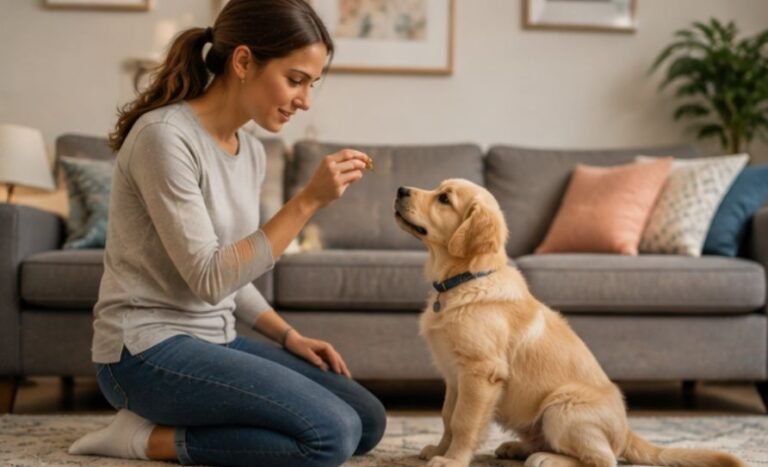
    Hold a treat near your puppy’s nose without letting them grab it. Wait for four paws down. Calm movements reduce jumping and confusion.

    2. Lure the Position

    Move the treat slowly upward and slightly back, keeping it near the nose. As the head rises, the bottom should lower naturally. Never press the hips or pull the collar.

    3. Follow the Nose

    If your puppy backs away, use a smaller upward curve near a wall without trapping them. Lower the treat for jumping. Reset if your puppy lies down.

    4. Mark and Reward

    The instant your puppy’s bottom touches the floor, say “yes” or click a clicker. Give the treat immediately while your puppy remains seated.

    Precise timing tells your puppy which action earned the reward. Prepare treats beforehand so you can reward within one or two seconds.

    5. Add the Sit Cue

    Once your puppy follows the hand reliably, say “sit” once before moving the lure. Repeating the word may teach your puppy that the first cue can be ignored.

    Next, make the same hand movement without food. Reward from your pocket or other hand. Gradually shrink the gesture into a clear hand signal.

    Practice Often

    Repeat in short daily sessions. Begin in one quiet room, then try another room, the yard, driveway, and other safe places.

    When practising beyond the home, follow safe how to socialize a puppy before vaccinations strategies by choosing clean, controlled environments and avoiding areas frequently used by unknown dogs.

    Increase only one challenge at a time. Add duration, distance, or distraction separately. Outdoor practice may require better rewards.

    Make Sit Useful

    Make Sit Useful

    A trained behavior becomes reliable when it appears in normal puppy care routines. Ask for a polite sit before something valuable happens.

    Use Real-Life Rewards

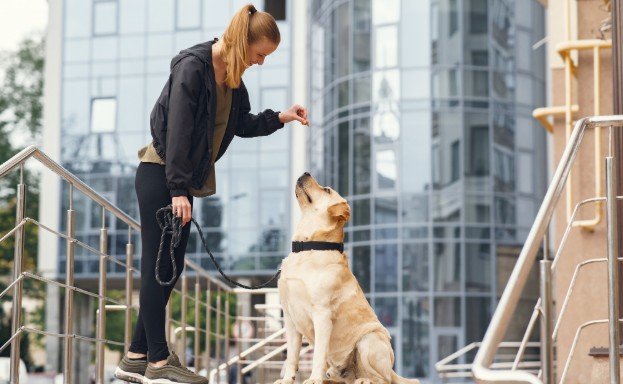
    Request a brief sit before placing the food bowl down, clipping on the leash, opening a door, throwing a toy, or giving attention.

    Mealtime training becomes easier once you understand when can puppies eat dry food only, since age-appropriate food can double as a convenient reward during short practice sessions.

    Keep expectations fair. A puppy who urgently needs a bathroom break should not hold a long sit. Care comes before perfect obedience.

    Add a Release Cue

    After rewarding the sit, say “free,” “okay,” or another consistent release word, then invite your puppy to stand.

    Begin with one second and slowly increase the time. Reward while the puppy remains seated so standing early does not become a habit.

    Set a Success Goal

    Your puppy understands the basic cue when they sit after one word or hand signal four times out of five without seeing food first.

    Continue in different places. Dogs do not automatically know that a cue means the same thing everywhere.

    Fix Common Problems

    Most puppy training problems are not stubbornness. They usually mean the setting is too difficult, the reward is weak, or the puppy is confused.

    Puppy Backs Away

    Move the treat upward instead of far backward. Keep your hand close to the nose, use a smaller curve, and practice on a secure surface. Working beside a wall may help, but leave enough space for comfort. Never corner your puppy.

    Puppy Ignores Treats

    Try a quieter place or a better reward. Your puppy may be tired, full, worried, or distracted. Pause and return later.

    Some puppies prefer toys or praise. Notice what creates genuine enthusiasm and use that motivation safely.

    Puppy Stands Too Soon

    Feed the reward directly to your puppy’s mouth while they remain seated. Reaching forward can pull them up.

    Give two tiny treats during one short sit, then use the release cue. Reduce extra treats gradually.

    Avoid Training Mistakes

    Avoid Training Mistakes

    Clear communication protects your bond and prevents confusion. Positive puppy training should feel safe, predictable, and rewarding.

    Do Not Repeat Cues

    Say “sit” once, then pause. Repeating it teaches your puppy that responding immediately is optional. Help with the hand signal if needed.

    No response usually means the exercise is too hard. Reduce distractions, improve the reward, or return to luring briefly.

    Do Not Use Force

    Never press your puppy’s bottom, shout, jerk the leash, or punish mistakes. These actions can create fear and make a puppy avoid training.

    The American Veterinary Society of Animal Behavior supports reward-based methods. Positive reinforcement teaches the desired choice while protecting trust.

    Do Not Rush

    A perfect kitchen sit does not guarantee success at a park. Practice in gradually harder locations and improve rewards as distractions increase.

    Expect setbacks during teething, growth, fear periods, or household changes. Calm repetition works better than frustration.

    Frequently Asked Questions

    1. At What Age Should You Teach a Puppy to Sit?

    Most puppies can begin simple sit training around eight weeks old after settling into their home. Keep lessons gentle, brief, age-appropriate, and focused on successful repetitions.

    2. What Are Common Puppy Training Mistakes?

    Common mistakes include repeating cues, rewarding late, practicing too long, displaying food before every response, adding distractions quickly, choosing weak rewards, and punishing normal confusion.

    3. How to Teach a Stubborn Puppy to Sit?

    Use a quieter space, better reward, secure surface, and shorter lesson. A stubborn puppy may actually be distracted, tired, uncomfortable, worried, or unclear about the task.

    4. What Is the First Command You Should Teach Your Puppy?

    Name recognition and recall matter for safety, while sit is an excellent first manners cue. Teach all three early through brief, positive sessions.

    Sit Happens: Celebrate the Win

    Learning how to teach a puppy to sit creates more than a cute trick. It gives your puppy a calm option during meals, greetings, walks, play, and open doors.

    Use small treats, precise timing, clear cues, and cheerful daily practice. Fade the lure gradually, reward real-life success, and remember that patient training builds reliable manners and a stronger bond.

  • West Siberian Laika Temperament and Personality Guide

    West Siberian Laika Temperament and Personality Guide

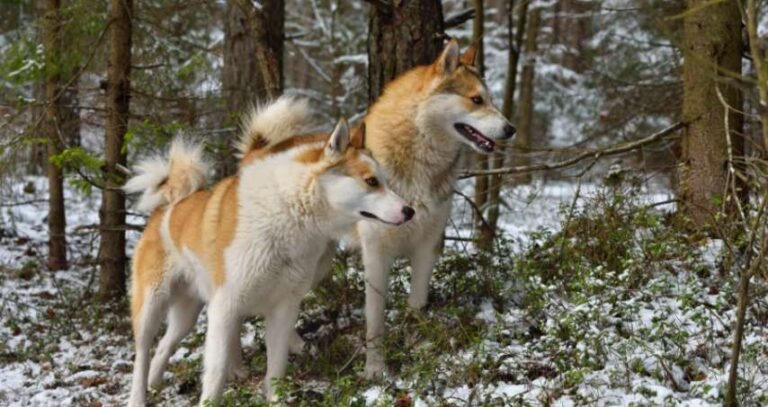
    A West Siberian Laika may adore its family and still ignore a recall command when wildlife appears. That apparent contradiction defines the west siberian laika temperament and personality better than labels such as loyal, intelligent, or energetic.

    I view this breed as a hunting partner first and a conventional pet second. Its independence is not a character defect. It is the result of generations spent locating game, making decisions at a distance, and alerting hunters through persistent barking.

    Understanding that working mindset is essential before bringing one home.

    The Temperament Behind the Hunting Dog

    The official Fédération Cynologique Internationale standard describes the breed as balanced and lively. The United Kennel Club adds that it is intelligent, affectionate, loyal, and strongly driven to hunt. These qualities can coexist because the Laika was developed to cooperate with people without waiting for constant direction.

    The west siberian laika temperament and personality therefore combines devotion with autonomy. This dog watches its handler closely, yet it also evaluates situations for itself.

    Independent Rather Than Stubborn

    I would not describe the breed as disobedient by default. It simply asks a different question from many companion dogs.

    A highly handler-focused breed may think, “What does my owner want?” A West Siberian Laika is more likely to think, “Does that request make sense right now?”

    That distinction matters during training. Repetition without purpose can cause disengagement. Short sessions, meaningful rewards, movement, scent work, and real-life access usually create stronger participation.

    The breed learns quickly, but learning a command does not guarantee automatic compliance. A squirrel, unfamiliar scent, or distant animal call may be more rewarding than anything its handler carries.

    Loyal Without Being Overly Dependent

    The west siberian laika temperament and personality includes a deep attachment to familiar people. Many individuals remain close to their household and develop strong preferences for one primary handler.

    However, affection may look understated. The dog might rest nearby rather than demand constant touching. It may check where family members are without following them from room to room.

    This strong bond can make rehoming difficult. A mature Laika may need considerable time to trust a new person, particularly after an unstable or harsh previous home.

    West Siberian Laika Behavior With People

    West Siberian Laika Behavior With People

    This breed can be affectionate, playful, observant, and protective within its household. However, genetics, early handling, socialization, health, and individual experience still influence behavior.

    No breed description can guarantee how one dog will act.

    Life With Family and Children

    A well-socialized West Siberian Laika can be gentle and devoted with children it knows. Its playful energy may suit active older children who understand canine boundaries.

    Supervision remains necessary. The breed can become physically intense during play, and young children may misread warning signals. Children should never disturb a sleeping dog, take its food, climb on it, or corner it.

    I would also give the dog a quiet resting space that children cannot enter. Respectful distance often protects the trusting relationship families want.

    The west siberian laika temperament and personality is usually better suited to an active household than a home seeking a calm, undemanding companion.

    Reactions to Strangers

    Some breed references describe West Siberian Laikas as friendly, while experienced owners often report reserve or initial suspicion. These descriptions are not necessarily contradictory.

    A stable dog may remain watchful, bark when someone arrives, and then accept the visitor after a controlled introduction. Aloofness should not be confused with fear or uncontrolled aggression.

    Frequent, positive exposure to different people during puppyhood can reduce defensive reactions. Socialization should teach neutrality, not force every dog to enjoy physical contact from strangers.

    Owners should also learn how to prevent fear-based behaviors in dogs by using gradual exposure, rewarding calm responses, and avoiding overwhelming encounters that may increase anxiety or defensive barking.

    Prey Drive, Dogs, and Other Pets

    Prey Drive, Dogs, and Other Pets

    Hunting drive is one of the most influential parts of the west siberian laika temperament and personality. The breed was developed as a versatile forest hunter capable of pursuing birds and mammals. Both FCI and UKC classifications preserve its identity as a Nordic hunting dog rather than merely a spitz-shaped companion.

    Movement can trigger rapid pursuit. Rabbits, squirrels, poultry, and unfamiliar cats may be treated as quarry.

    Same-Sex Tension and Territorial Behavior

    West Siberian Laikas can live with other dogs, especially when raised together and managed carefully. However, some individuals display territorial behavior or same-sex conflict as they mature.

    Neutral introductions provide better information than meetings inside the resident dog’s yard. Owners should supervise valuable resources, including food, bones, toys, sleeping areas, and access to attention.

    Early friendliness does not guarantee permanent compatibility. Social maturity can change dog-to-dog relationships between roughly one and three years of age.

    Can a West Siberian Laika Live With Cats?

    Some individuals accept an indoor cat introduced during puppyhood. That acceptance does not mean the dog will generalize the same response to outdoor cats.

    I would never assume that socialization erases prey drive. It can build familiarity with a specific animal, but instinct may still appear during running, squealing, chasing, or outdoor excitement.

    Pocket pets, free-roaming poultry, and small mammals present a much higher risk. Physical separation is safer than relying only on obedience.

    Training an Independent Primitive Dog

    Training an Independent Primitive Dog

    Training works best when the owner builds cooperation rather than demanding robotic submission. The west siberian laika temperament and personality responds well to clarity, consistency, and rewards that matter to the individual dog.

    Exploring what did the Hare Indian Dog look like offers additional insight into how historic northern working breeds developed characteristics that still influence the appearance and instincts of many modern dogs.

    Food may work indoors. Outdoor access, sniffing, play, or permission to continue moving may become more valuable outside.

    Recall Requires Long-Term Management

    Reliable recall should begin in a secure area with very few distractions. I would then progress through a fenced yard, a long line, and gradually more stimulating environments.

    A simple progression might look like this:

    1. Call once from a short distance.
    2. Reward immediately when the dog turns.
    3. Release it back to an enjoyable activity.
    4. Increase distance before increasing distraction.
    5. Use a long line whenever success is uncertain.

    Releasing the dog after recall teaches that returning does not always end the fun. That lesson is especially useful for an independent hunting breed.

    Even with excellent practice, off-leash freedom may remain unsafe in unfenced areas. Management is not failed training. It is a realistic response to inherited pursuit behavior.

    Why Harsh Training Usually Backfires

    Physical punishment may suppress behavior briefly, but it can damage trust and increase avoidance. Research comparing dog-training approaches has linked reward-based methods with stronger welfare outcomes and effective learning. Humane World for Animals also recommends rewarding desired behavior with food, toys, praise, or access to valued activities.

    This matters because the west siberian laika temperament and personality is both sensitive and self-directed. A dog that distrusts its handler has even less reason to return when distracted.

    Calm boundaries do not mean permissiveness. Owners still need consistent rules, controlled access, secure fencing, and consequences such as pausing play or removing opportunities.

    Exercise and Mental Stimulation Needs

    A short neighborhood walk rarely satisfies this breed. West Siberian Laikas need sustained movement, exploration, scent-based activities, and opportunities to solve problems.

    Suitable outlets may include hiking, tracking games, canicross, structured retrieving, scent trails, and controlled hunting work where lawful. Exercise must match the dog’s age, health, conditioning, and local climate.

    Mental work can be simple. I often favor hiding food across a safe yard over relying only on puzzle toys. Searching uses the nose, encourages independent problem-solving, and turns a routine meal into purposeful activity.

    Boredom may lead to digging, escape attempts, destructive chewing, pacing, or excessive barking. A fenced yard helps, but leaving the dog alone outside does not provide meaningful exercise.

    Is the West Siberian Laika Right for You?

    My practical ownership test evaluates three drives: pursuit, decision-making, and vocal expression.

    Can you safely manage a dog that may pursue wildlife? Can you remain patient when it makes independent choices? Can your home and neighborhood tolerate frequent alert or excitement barking?

    When the answer to any question is no, the breed may create daily conflict.

    The west siberian laika temperament and personality generally suits experienced owners who enjoy outdoor activity, structured training, and active management. It is less suitable for first-time owners, homes with unsecured small pets, or people expecting dependable off-leash obedience.

    Apartment living is not automatically impossible, but it raises the difficulty. Owners must provide enough outdoor activity while preventing noise, frustration, and escape behavior.

    Frequently Asked Questions

    1. Is a West Siberian Laika a good family dog?

    It can be loyal and affectionate with an active family that provides training, supervision, exercise, and respectful interactions with children.

    2. Are West Siberian Laikas aggressive?

    Stable dogs are not automatically aggressive, but territorial instincts, same-sex conflict, poor socialization, fear, or careless handling can cause serious problems.

    3. Can a West Siberian Laika be left alone?

    An adult may tolerate reasonable periods alone after gradual training, but prolonged isolation often encourages barking, destruction, digging, or escape attempts.

    4. Is the West Siberian Laika temperament suitable for beginners?

    The west siberian laika temperament and personality is usually challenging for beginners because of its prey drive, independence, energy, vocal behavior, and management needs.

    Final Verdict: Wild Heart, Serious Commitment

    I admire this breed because it does not hand over its judgment easily. A West Siberian Laika offers loyalty, intelligence, stamina, and genuine partnership, but it expects its owner to provide purpose.

    My clearest advice is to meet several mature dogs before contacting a breeder. Puppies can appear adaptable and easy. Adult dogs reveal the independence, hunting intensity, vocal habits, and social boundaries that will shape everyday life.

    Choose this breed because you value its working nature, not because you hope to train that nature away.

  • Healthy Human Food Toppers for Dog Kibble That Turn Boring Bowls Into Tail-Wagging Meals

    Healthy Human Food Toppers for Dog Kibble That Turn Boring Bowls Into Tail-Wagging Meals

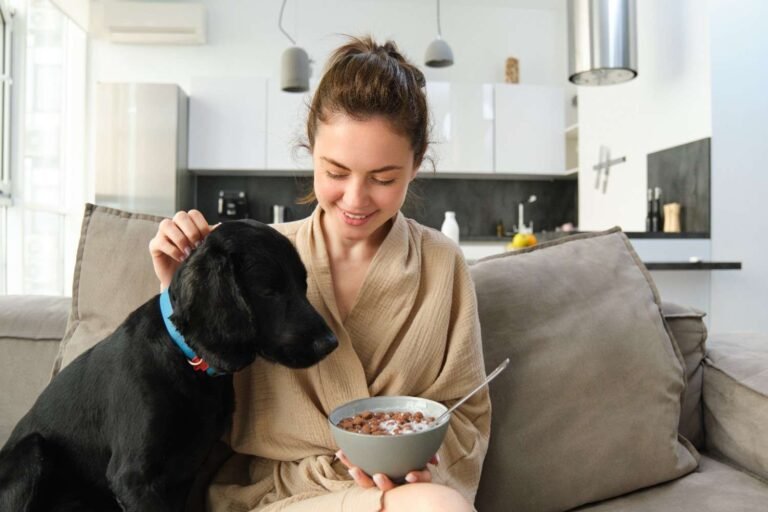
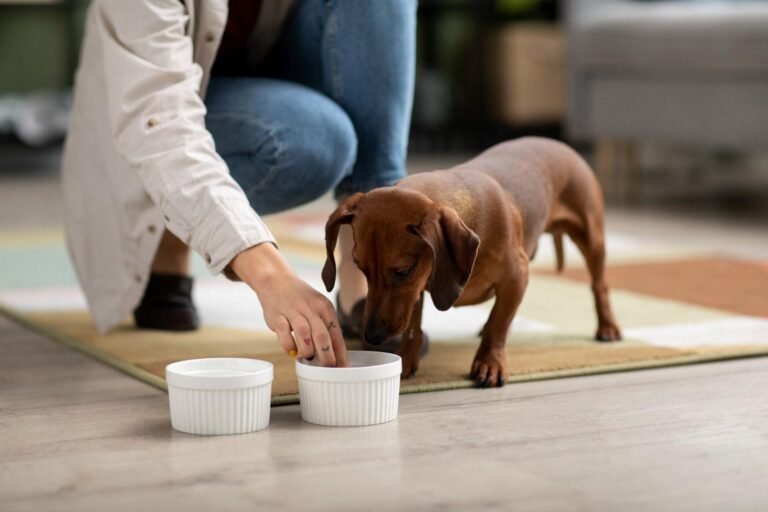
    I have seen plenty of dogs act excited at mealtime, only to sniff their kibble and walk away like the menu has personally offended them. That does not always mean the food is bad. Sometimes, the bowl simply needs more aroma, moisture, texture, or variety. 

    The right healthy human food toppers for dog kibble can transform an ordinary meal with simple additions such as plain chicken, cooked eggs, pumpkin, blueberries, or warm broth.

    The goal is not to replace a complete and balanced dog food or cover every meal with leftovers. I use toppers as a small finishing touch that can encourage picky eaters, add hydration, and introduce useful nutrients without disrupting the overall diet. When portions stay controlled and ingredients remain plain, even one spoonful can make dinner far more appealing.

    Why Should You Add Human Food to Dry Dog Food?

    Dry kibble is convenient, shelf-stable, and formulated to meet a dog’s nutritional needs when its label carries an appropriate complete-and-balanced statement. However, some dogs lose interest in the same aroma and texture every day.

    A small topper can release more aroma, soften the kibble, increase moisture intake, and make mealtime more engaging. Natural dog food toppers may also provide specific nutrients such as protein, fiber, antioxidants, or omega-3 fatty acids.

    Toppers can be especially useful for picky dogs, seniors that prefer softer meals, or pets that need encouragement to eat. A sudden loss of appetite, however, should never be dismissed as ordinary pickiness. Dental pain, nausea, illness, stress, or medication side effects may reduce a dog’s interest in food.

    How Much Human Food Can You Add to Kibble?

    How Much Human Food Can You Add to Kibble?

    I follow the 10% rule whenever I add fresh food to a dog’s regular diet. Treats, table foods, and toppers combined should generally provide no more than 10% of the dog’s total daily calories. The other 90% should come from an appropriate complete and balanced food.

    This rule refers to calories, not the physical amount sitting in the bowl. One spoonful of lean pumpkin contains far fewer calories than the same amount of cheese, ground beef, or peanut butter.

    Portion size should also reflect the dog’s weight, age, activity level, and health. A serving that suits a Labrador Retriever may overwhelm a Chihuahua’s calorie allowance. When a topper contributes meaningful calories, reduce the kibble portion accordingly.

    What Are the Best Protein Toppers for Dog Kibble?

    Boiled Chicken or Turkey

    Plain, skinless chicken or turkey provides high-quality protein and essential amino acids that support muscle maintenance. I cook the meat completely, remove the bones and skin, trim visible fat, and shred it into small pieces.

    Avoid rotisserie chicken, deli turkey, gravy, and seasoned leftovers. These products often contain excessive sodium, fat, onion, garlic, or spices.

    Plain Cooked Eggs

    Scrambled or hard-boiled eggs offer protein, amino acids, selenium, and other nutrients. Always cook eggs thoroughly and serve them without butter, oil, cheese, salt, or seasoning.

    An entire egg may add too many calories for a toy breed, so crumble a small amount over the food rather than automatically serving a whole egg.

    Sardines Packed in Water

    Sardines can provide protein and omega-3 fatty acids that support normal skin, coat, brain, and joint function. Select sardines packed in water with no added salt, oil, sauce, or seasoning.

    A whole sardine may suit a larger dog but could be excessive for a small dog. Measure the portion according to the dog’s size and daily calorie needs.

    Cooked Salmon or Lean Beef

    Plain, fully cooked, boneless salmon offers another source of protein and omega-3 fats. Lean ground beef can also tempt a reluctant eater when cooked thoroughly and drained.

    Never use fried fish, taco meat, hamburger patties, meatloaf, or meat prepared with sauces, garlic, onions, or heavy seasoning.

    Which Toppers Add Hydration and Support Digestion?

    Low-Sodium Bone Broth

    Dog-safe bone broth can soften dry food, release its aroma, and increase moisture intake. Choose an unsalted or low-sodium product made without onions, garlic, leeks, chives, concentrated flavorings, or unsafe spices.

    Bone broth may support hydration, but it should not be promoted as a treatment for kidney disease. Dogs with kidney problems may require carefully controlled levels of sodium, phosphorus, protein, and other nutrients.

    Warm water offers a simpler zero-calorie alternative. Pour a small amount over the kibble, allow it to soften, and serve it promptly.

    Plain Yogurt or Kefir

    Plain, unsweetened yogurt or kefir may provide live cultures that support digestive health in dogs that tolerate dairy. Read the label carefully and avoid products containing xylitol, artificial sweeteners, added sugar, chocolate, or flavored syrups.

    Not every dog digests lactose well. Start with a very small amount and stop if the dog develops gas, bloating, vomiting, or diarrhea.

    Pure Pumpkin Puree

    Pure Pumpkin Puree

    Plain canned pumpkin adds fiber, moisture, and beta-carotene. It may help support normal stool consistency in some dogs, although it cannot treat every cause of diarrhea or an upset stomach.

    Use 100% pumpkin rather than pumpkin pie filling. Pie filling may contain sugar, fat, and spices that do not belong in a dog’s bowl. Too much pumpkin can also cause digestive discomfort, so begin with a modest amount.

    What Fruits and Vegetables Can You Put on Kibble?

    Blueberries

    Fresh or frozen blueberries deliver fiber and antioxidants while adding a naturally sweet flavor. Wash them first and mash or cut them for small dogs or dogs that swallow food quickly.

    Carrots and Green Beans

    Plain carrots provide fiber and beta-carotene, which the body can convert into vitamin A. Serve them finely chopped, grated, or lightly steamed.

    Fresh, frozen, or no-salt-added green beans add crunch and volume with relatively few calories. Avoid buttered vegetables and green bean casserole.

    Cooked Sweet Potato

    Plain cooked sweet potato supplies fiber and carbohydrates. Steam, bake, or boil it, remove tough skin when necessary, and mash a small portion into the kibble.

    Do not add butter, brown sugar, marshmallows, salt, or holiday-style seasoning.

    Apples and Bananas

    Apple pieces can provide fiber and crisp texture. Remove the stem, core, and all seeds before serving. A small amount of mashed banana can make kibble more appealing, but its natural sugar and calories make portion control important.

    How Do You Prepare Homemade Dog Food Toppers Safely?

    Keep every ingredient plain. Skip salt, pepper, butter, cooking oil, sauces, gravy, garlic, onions, and spice blends. Human recipes often become unsafe for dogs because of the seasonings rather than the main ingredient.

    Introduce only one new topper at a time. Begin with a tiny portion and observe the dog for several days before increasing it or testing another food. This approach makes it easier to identify the cause of itching, vomiting, diarrhea, gas, ear irritation, or other reactions.

    Store cooked ingredients safely in the refrigerator and discard spoiled food. Once you add water, broth, meat, dairy, or vegetables to kibble, do not leave the meal sitting at room temperature for an extended period.

    Which Human Foods Should Never Be Used as Toppers?

    Never add chocolate, grapes, raisins, onions, garlic, chives, xylitol, macadamia nuts, alcohol, caffeine, raw yeast dough, or cooked bones to a dog’s meal.

    Greasy table scraps, fatty meat trimmings, spicy foods, salty sauces, sugary desserts, and highly processed meats should also stay out of the bowl. Even ingredients that appear safe can become risky when mixed with toxic seasonings or excessive fat.

    When Should You Ask a Veterinarian About Toppers?

    When Should You Ask a Veterinarian About Toppers?

    Speak with a veterinarian before regularly changing the diet of a puppy, pregnant dog, senior dog, or a dog with diabetes, obesity, pancreatitis, kidney disease, liver disease, urinary disease, food allergies, or chronic digestive trouble.

    Dogs eating prescription veterinary diets need particular caution. An innocent-looking topper may interfere with the diet’s intended nutrient levels or introduce an ingredient the veterinarian is trying to eliminate.

    Frequently Asked Questions (FAQs)

    1. Can I Add Human Food to My Dog’s Kibble Every Day?

    Yes, suitable toppers may be used regularly when portions remain controlled and the dog tolerates them. Keep all extras within the daily calorie allowance.

    2. What Is the Healthiest Topper for a Picky Dog?

    There is no single best choice. Plain chicken, cooked egg, pumpkin, green beans, warm water, or dog-safe broth may work depending on the dog’s health and calorie needs.

    3. Are Healthy Human Food Toppers for Dog Kibble Necessary?

    No. A dog eating an appropriate complete and balanced food does not usually need a topper for nutritional completeness. Toppers mainly add moisture, flavor, texture, and variety.

    4. Can Puppies Eat Kibble Toppers?

    Puppies have precise nutritional requirements for growth. Ask a veterinarian before adding toppers regularly, particularly for large-breed puppies or puppies with medical conditions.

    Make Every Bowl Better Without Unbalancing It

    I see healthy human food toppers for dog kibble as a finishing touch rather than the foundation of the meal. Plain chicken, eggs, sardines, pumpkin, yogurt, blueberries, carrots, sweet potatoes, bone broth, or warm water can make kibble more appealing when served carefully. Softer toppers may also complement the best dog food for senior dogs with no teeth by adding moisture and making meals easier to eat.

    Start with one simple ingredient, keep it plain, measure the calories, and watch how the dog responds. The best topper is not the most expensive or elaborate option. It is the one that safely adds enjoyment while allowing complete and balanced dog food to remain the nutritional foundation.

  • Puppy Biting Hands and Feet How to Stop Without Stress

    Puppy Biting Hands and Feet How to Stop Without Stress

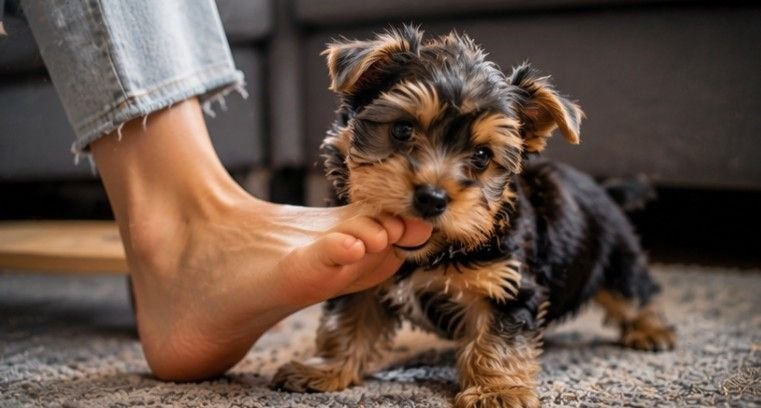
    A tiny puppy can turn a walk across the living room into an ankle-chasing adventure. After watching a playful pup treat fingers, socks, and slippers like moving toys, “puppy biting hands and feet how to stop” becomes a very real question. Thankfully, calm reactions, smart redirection, enough rest, and consistent training can protect your skin without frightening your new companion.

    Key Takeaways

    • Puppy biting is normal, but calm training prevents lasting habits.
    • Freeze instead of pulling away, then redirect to a suitable toy.
    • Briefly remove attention when teeth keep touching skin or clothing.
    • Regular naps, enrichment, and simple cues reduce overtired nipping.
    • Never use physical punishment; seek help for fearful or forceful biting.

    Why Do Puppies Bite So Much?

    Understanding puppy biting hands and feet how to stop saves your socks, patience, and favorite pajama bottoms. More importantly, it teaches bite inhibition before your puppy becomes a stronger adult dog. A clear household plan prevents mixed messages, so everyone responds safely instead of turning the hallway into an accidental chase game.

    Puppies explore with their mouths, play through nipping, and chew to soothe teething gums. Moving hands and feet are exciting because they resemble fast toys. The goal is not to punish normal puppy behavior. It is to show your pup what to bite, how gently to interact, and when play must pause.

    Immediate Reactions

    Your first response can calm the situation or make biting more exciting. Use the same sequence whenever teeth touch skin.

    Freeze And Go Limp

    Stop moving and let your hand or foot become boring. Pulling away can trigger another chase. The puppy mouthing guide explains that mouthing is normal, but puppies still need to learn gentler play.

    Wait for the release, praise calmly, and offer an approved chew. Skin stops the game, while toys keep it going.

    Use One Short Sound

    One calm “ouch” may interrupt some puppies. High-pitched squeals can excite energetic or herding puppies, so watch your puppy’s response. If the sound increases biting, skip it. Freeze silently and redirect.

    Remove Attention Briefly

    Remove Attention Briefly

    If your puppy returns to skin after redirection, stand up, turn away, or step behind a baby gate for about 30 seconds. Keep the pause boring, without eye contact, talking, or angry gestures.

    Return when your puppy settles and restart with a toy. This brief reset teaches a practical rule: gentle play continues, but biting people makes attention disappear.

    Redirection And Training

    Preventing a bite is easier than reacting afterward. Keep better choices nearby.

    Keep A Toy Ready

    Place safe chew toys where biting happens most. Carry a small tug toy and offer it before your puppy reaches for skin. Rotate textures to maintain interest.

    Choose correctly sized toys, supervise chews, check for damage, and ask your veterinarian about safe options.

    Teach A Reliable Sit

    Ask for a sit before petting, greeting, or play. It gives an excited puppy a job. Mark it with “yes,” then reward.

    Practice briefly while your puppy is relaxed. Quiet practice makes the cue easier around hands, shoelaces, and visitors.

    Reward Better Choices

    Praise your puppy for approaching without nipping, walking beside your feet, chewing a toy, or relaxing on a mat. Small treats and gentle attention make calm behavior valuable.

    For more ideas, see Rover’s puppy biting advice. Videos can show timing, but choose qualified trainers on YouTube and treat Reddit experiences as personal stories, not expert guidance.

    Management And Routine

    Exhausted or overexcited puppies struggle to make good choices. Daily management reduces biting while training develops.

    Management And Routine

    Schedule Regular Naps

    Overtired puppies often become noisy “landsharks” that grab sleeves and ankles. Young puppies may need 18 to 20 hours of daily sleep, according to the American Kennel Club. Needs vary with age, breed, health, and activity.

    Plan toilet breaks, food, play, training, and sleep. Guide your puppy to a quiet crate or pen before frantic biting begins. Naps must feel safe.

    Use Helpful Barriers

    Baby gates and pens help when supervision is impossible. They prevent ankle attacks while allowing safe rest and chewing.

    Barriers do not replace interaction. Provide water, bedding, and enrichment. Children must not tease or enter unsupervised.

    Meet Daily Needs

    Offer suitable exercise, sniffing, food puzzles, training, and calm contact. Mental enrichment can be better than nonstop physical play.

    Keep a biting diary with time, activity, sleep, and triggers. Patterns may reveal hunger, rough play, teething, or missed naps.

    Puppy Biting Hands And Feet How To Stop

    Use this sequence whenever biting begins. Freeze first, give one calm interrupter only if it helps, and offer a nearby toy. Praise the moment your puppy chooses it. If teeth return to skin, remove attention for 30 seconds, then restart calmly.

    Puppy Biting Hands And Feet How To Stop

    Next, check the cause. Your puppy may need a chew, sniffing game, or nap. Ask for a familiar sit before petting or walking again. Every family member should follow the same response.

    Track progress weekly rather than expecting perfection. Fewer bites, softer mouth pressure, faster recovery, and choosing toys without prompting are meaningful signs that your puppy is learning and developing well.

    Never hit, tap the nose, alpha-roll, or hold the mouth shut. Physical corrections can create fear or defensive biting. Positive reinforcement builds trust.

    When To Get Help

    Most playful puppy biting during play improves with maturity and consistent training. However, seek help for stiff posture, hard staring, guarding, repeated skin-breaking bites, fear, sudden behavior changes, or difficulty calming down.

    Begin with your veterinarian to rule out pain or illness. Then contact a qualified reward-based trainer or veterinary behaviorist. Keep children and vulnerable adults separated from unsafe interactions until a professional plan is ready.

    Frequently Asked Questions

    1. Why Does My Puppy Keep Biting My Hands And Feet?

    Hands and feet move, smell interesting, and trigger playful chasing. Teething, tiredness, boredom, overstimulation, and attention-seeking can also increase mouthing, so identify the likely trigger before responding.

    2. Do Puppies Grow Out Of Biting Hands?

    Most puppies improve as teething ends and self-control develops, but consistent bite inhibition training is still important. Without guidance, attention-rewarded nipping can remain a practiced habit beyond puppyhood.

    3. Is It Okay To Push A Puppy Away When Biting?

    No. Pushing can feel like play or make a worried puppy defensive. Freeze, redirect to a toy, and briefly remove attention using calm, predictable movements every time.

    4. At What Age Do Puppies Stop Puppy Biting?

    Many puppies improve between six and ten months, although timing varies by breed, development, training, and teething. Persistent, intense, or fearful biting needs professional assessment.

    Trade Tiny Teeth For Gentle Greetings

    Learning puppy biting hands and feet how to stop is about teaching better choices, not winning a battle. Freeze, redirect, reward calm behavior, protect sleep, and use barriers wisely. With patient repetition, your puppy can replace ankle ambushes with toy play, relaxed greetings, and safer family fun while keeping your bond strong.

  • Hare Indian Dog Breed History and Origin Explained

    Hare Indian Dog Breed History and Origin Explained

    The hare indian dog breed history and origin begins in northern Canada, not the Indian subcontinent. This extinct canine lived alongside the Sahtu Dene and other northern Indigenous communities, which valued it as a swift hunting partner.

    What caught my attention was not simply the dog’s extinction. It was how closely its body, behavior, and hunting style matched the difficult landscape around it. This was a specialized working dog shaped by snow, speed, prey, and human cooperation.

    Where Did the Hare Indian Dog Come From?

    Where Did the Hare Indian Dog Come From?

    Understanding the hare indian dog breed history and origin requires looking toward the Mackenzie River and Great Bear Lake regions. Historical descriptions place these dogs across parts of what are now Canada’s Northwest Territories and surrounding northern areas.

    The Sahtu Dene and the Dog’s Canadian Homeland

    The breed is most closely associated with the people historically called the Hare or Hareskin Indians. Today, the name Sahtu Dene is more appropriate. Sahtu communities have long lived around Great Bear Lake and the wider Mackenzie Valley.

    Neighboring Indigenous peoples also reportedly kept similar dogs. Historical accounts mention Dogrib, Slavey, Cree, Bear Lake and Mountain communities. This wider distribution suggests the dog was part of a regional hunting culture rather than a narrowly isolated household breed.

    Research on pre-Columbian American dogs confirms that Indigenous communities kept distinct canine populations before European settlement. The Hare Indian Dog is among the northern types that later disappeared as traditional hunting systems changed.

    Why the Name Has Nothing to Do With India

    The word “Indian” reflects outdated terminology once applied broadly to Indigenous peoples in North America. It does not connect the breed to India.

    The “Hare” portion refers to the Hare Dene, not necessarily to the animal it hunted. Readers searching for an Indian sighthound used to chase hares may instead be thinking of the Chippiparai or Mudhol Hound.

    That distinction prevents one of the most common misunderstandings surrounding the hare indian dog breed history and origin.

    How the Hare Indian Dog Supported Northern Hunters

    How the Hare Indian Dog Supported Northern Hunters

    The Hare Indian Dog was developed for coursing. Coursing dogs pursue prey by sight and speed rather than tracking only by scent.

    Coursing Game Across Deep Snow

    Historical descriptions suggest that hunters used these dogs to pursue large game through snowy terrain. The dogs were not powerful enough to kill animals such as moose or caribou by themselves.

    Instead, they could chase, distract or hold an animal’s attention until hunters caught up. Their speed became especially useful when deep snow slowed heavier prey.

    This creates a practical picture of their hunting method. Imagine a light dog running across crusted snow while a much heavier ungulate sinks deeper with each step. The dog’s advantage came from weight distribution, agility and endurance, not brute strength.

    That function-first reconstruction is one of the clearest ways to understand the breed. Its unusual build was not decorative. Almost every feature appears connected to movement in a cold northern environment.

    A Hunting Dog, Not a Sled Dog

    The Hare Indian Dog should not be confused with powerful Arctic freight dogs. It had a smaller, lighter frame and was reportedly unsuitable for pulling heavy loads.

    Its job was pursuit. This difference separates it from the Canadian Eskimo Dog and other northern working breeds developed for hauling or sled travel.

    What Did the Hare Indian Dog Look Like?

    What Did the Hare Indian Dog Look Like?

    Nineteenth-century naturalist John Richardson provided one of the most influential descriptions. He portrayed a slender animal with a narrow muzzle, erect ears, long legs and a thick, bushy tail.

    Its coat was usually white with irregular gray, black or brown markings. Longer hair around the feet and toes may have offered protection against snow and cold ground.

    Sources also describe broad or well-furred feet. These features likely improved surface contact and protected the paws. However, claims that the feet were literally “webbed” should be treated cautiously because historical wording varies.

    A Canadian historical dictionary describes the dog as small, commonly weighing about 15 to 20 pounds. It also records black-and-white or brown piebald coloring and a range extending through northern British Columbia, Yukon and the Mackenzie region.

    Was the Hare Indian Dog Part Coyote?

    Questions about coyote ancestry dominate many accounts of the hare indian dog breed history and origin. Yet the evidence remains less certain than some modern summaries suggest.

    Richardson’s Coyote Comparison

    Richardson examined these dogs during the early nineteenth century. He believed their form resembled the coyote, then often called the prairie wolf.

    Their pointed faces, upright ears, light frames and vocal behavior strengthened that comparison. Some later writers proposed that the breed was a domesticated coyote or a dog-coyote hybrid.

    These observations are historically valuable, but physical resemblance alone cannot establish ancestry.

    What Modern Research Can and Cannot Prove

    I found no widely accepted genetic study based on a confirmed Hare Indian Dog specimen that proves the breed was a coyote hybrid. That missing evidence matters.

    Broader genetic research shows that pre-Columbian American dogs descended largely from dog lineages brought from Eurasia by human populations. It also identifies the Hare Indian Dog as one of several Indigenous types that disappeared.

    Therefore, the safest conclusion is simple: coyote ancestry is a historical hypothesis, not a settled genetic fact. The dog may have been a distinct domestic lineage whose appearance reflected similar environmental pressures.

    What Was Its Temperament Like?

    Historical accounts describe an active, playful and sociable dog. It could reportedly approach strangers without the suspicion expected from some isolated working breeds.

    However, it was not considered highly obedient in the modern training sense. It disliked confinement and had an independent nature suited to free-ranging hunting work.

    The breed also gained attention for its voice. Reports claimed that it rarely barked in its homeland. It howled or produced rising, howl-like sounds instead. Puppies transported to Europe allegedly learned to imitate barking dogs around them.

    Such anecdotes are fascinating, although they come from a limited number of historical observers. They reveal how differently people understood canine temperament before standardized breed clubs and behavior tests existed.

    Readers interested in another North American landrace can also explore is a carolina dog a good family pet. That comparison shows why primitive appearance alone does not determine suitability for modern homes.

    Why Did the Hare Indian Dog Become Extinct?

    The breed appears to have declined during the nineteenth century. No single event caused its disappearance.

    Firearms made coursing dogs less essential in some hunting situations. Changes in wildlife access, settlement patterns and Indigenous life also disrupted the system that had maintained the dogs.

    Colonial expansion placed severe pressure on Indigenous communities and their traditional practices. As imported European dogs entered northern settlements, surviving Hare Indian Dogs likely interbred with them.

    A dog population does not need every animal to die before it becomes extinct as a recognizable type. Once uncontrolled crossbreeding removes its stable characteristics and lineage, the original population can lose its separate identity.

    That distinction explains why some accounts say the dog “became extinct,” while others say it was absorbed into mixed northern dog populations.

    The Hare Indian Dog’s Lasting Significance

    The hare indian dog breed history and origin offers more than a story about an unusual extinct animal. It shows how people developed dogs for precise local needs long before kennel clubs created written standards.

    The breed’s speed, light body, snow-ready feet and independent behavior formed a complete working system. Remove the landscape or hunting practice, and the reason for preserving that system weakens.

    It also reminds me to read old breed histories carefully. Terms used for Indigenous peoples may be outdated. Claims about ancestry may rest on appearance rather than DNA. Extinction stories may also hide the effects of colonial disruption behind simple phrases such as “lost its usefulness.”

    Frequently Asked Questions

    1. Where did the Hare Indian Dog originate?

    The dog originated in northern Canada and was closely associated with the Sahtu Dene of the Mackenzie Valley and Great Bear Lake region.

    2. Was the Hare Indian Dog a coyote?

    Possibly, but no confirmed genetic evidence proves it; the theory largely comes from nineteenth-century observations of its appearance and voice.

    3. What was the Hare Indian Dog used for?

    It was a lightweight coursing dog used to pursue game across snow and keep prey occupied until hunters arrived.

    4. What does hare indian dog breed history and origin reveal about its extinction?

    It shows that changing hunting practices, colonial disruption and interbreeding likely caused the dog to lose its distinct identity.

    Gone, but Far Too Interesting to Forget

    The hare indian dog breed history and origin belongs to northern Canada’s Indigenous history. This small, swift hunter was neither an Indian sighthound nor a miniature sled dog. It was a specialized Sahtu Dene hunting companion adapted to cold terrain and fast pursuit.

    Its exact ancestry may remain unresolved, but that uncertainty makes accuracy more important, not less. My best tip is to separate documented descriptions from later theories whenever you research an extinct breed. The truth is often more compelling than a tidy legend.

  • See This 7-Day Guide: Fastest Way to House Train a Puppy

    See This 7-Day Guide: Fastest Way to House Train a Puppy

    Raising a brand-new furry family member brings endless joy, but waking up to soggy carpets at three in the morning can test anyone’s patience. Navigating those early weeks requires a smart routine, which is why mastering the fastest way to house train a puppy becomes every new pet parent’s top priority. With the right strategy, you can swap continuous cleanup for a clean, happy home in record time.

    Key Takeaways

    • Set a strict feeding and bathroom schedule tailored to your puppy’s exact age in months.
    • Use direct supervision, crate training, and dedicated confinement spaces to stop indoor accidents before they happen.
    • Reward outdoor success instantly with high-value treats and enthusiastic praise to build strong positive habits.
    • Clean all indoor accidents with enzymatic sprays to completely erase scent triggers that attract repeat visits.
    • Adapt training methods for apartment living using balcony grass patches or indoor artificial turf setups.

    Mastering Bladder Limits and Body Language

    Before diving into daily training routines, understanding your young dog’s physical limitations prevents frustration and sets realistic expectations for both of you.

    Age and Muscle Development Dynamics

    Young puppies possess limited muscle control over their bladders, meaning they physically cannot hold urine for hours on end. A reliable general rule holds that a puppy can hold its bladder for one hour for every month of age. 

    Consequently, a two-month-old pup needs a bathroom break every two hours during daytime activity. Expecting a small puppy to last through an entire workday without a break leads straight to inevitable indoor accidents and delayed training progress.

    Catching Early Eliminating Cues

    Dogs communicate their physical needs through subtle body language long before they resort to whining or barking at the door. Watch for sudden sniffing, tight pacing, abrupt circles, or walking away into quiet corners of the room. 

    Whenever your pup breaks away from active play to sniff intently, pick them up immediately and head toward their designated bathroom spot outdoors. Acting on these early signals helps your dog connect their internal urge with the correct outdoor location.

    Designing Your Daily Training Routine

    Establishing a predictable daily rhythm forms the true foundation of quick, reliable house training success.

    Clockwork Scheduling Principles

    Clockwork Scheduling Principles

    Dogs thrive on predictable daily patterns, so keeping meals, naps, and bathroom trips on a strict schedule speeds up learning dramatically. Take your pup outside immediately upon waking, ten minutes after eating or drinking, right after playtime, and right after waking up from naps. Feeding meals at exact times every day regulates digestion, making bathroom breaks remarkably predictable throughout the evening and night.

    Crate Integration Strategies

    A proper crate serves as a safe instinctual den rather than a penalty box, leveraging a dog’s natural desire to keep their sleeping area clean. Ensure the crate offers just enough space for your puppy to stand up, turn around, and lie down comfortably. 

    If the crate is too spacious, your pup might use one corner as a restroom and sleep in the other. Keep your pup crated whenever you cannot provide active, eyes-on supervision inside the house.

    Golden Rules to House Train a Puppy

    Implementing active management techniques ensures your puppy develops lifelong good habits in record time. Teach your four-legged friend basic obedience commands early on.

    Take Them Out Constantly

    Take Them Out Constantly

    The absolute fastest way to house train a puppy is to bring them to their designated outdoor spot every 30 to 60 minutes when awake. You must also take them out immediately after they wake up, finish eating, drink water, or wrap up an energetic play session. 

    Frequent trips create endless opportunities for your puppy to eliminate in the right spot, building muscle memory and strong outdoor habits far quicker than passive schedules allow.

    Control Freedom with Crates and Tethers

    Prevent indoor mistakes by keeping your puppy in a properly sized crate when you cannot watch them with total focus. When you are together in the living room, tether them to your belt with a short leash so they cannot sneak away into another room to make a secret mess. 

    Restricting unsupervised freedom eliminates accidental indoor slips, forcing your puppy to rely on you to guide them outside whenever they feel the urge to go.

    Reward Instantly with High-Value Treats

    Timing plays a critical role in reinforcement, so deliver praise and rewards within three seconds of completion. Say a cue word like “go potty” while they are eliminating, and the second they finish, give them high-value treats and happy praise. 

    Offer special rewards like freeze-dried liver or boiled chicken that your puppy only receives for successful outdoor potty trips, celebrating every victory with enthusiastic verbal praise before heading back inside.

    Never Punish Indoor Accidents

    If you discover an old mess on the floor later in the day, do absolutely nothing because punishing a dog after the fact only causes fear and confusion. If you catch them mid-accident, gently interrupt them with a soft noise, carry them outside immediately, and praise them warmly if they finish on the grass. 

    Yelling or rubbing a puppy’s nose in a mess teaches them to hide from you when eliminating, which severely damages your training progress.

    Tailoring Strategies for Apartment Dwellers

    Living in a high-rise building or lacking a private yard requires tailored training adaptations to maintain fast progress.

    Tailoring Strategies for Apartment Dwellers

    Indoor Real Grass Solutions

    Navigating long hallways and elevators can cause accidents before reaching the curb, making real grass delivery patches an ideal apartment compromise. Place a fresh grass tray on a secure balcony or in a tiled laundry room to give your pup an authentic texture underfoot. 

    Avoid synthetic pee pads whenever possible, as their soft fabric texture often confuses puppies into using carpets, bath mats, or blankets instead.

    Handling Rain and Cold Weather

    Bad weather frequently disrupts training momentum, as cold or rainy conditions make young puppies hesitant to step outside. Keep an umbrella and a cozy dog jacket right by your front door so trip preparation takes under ten seconds. 

    Calmly guide your pup out regardless of the weather, rewarding them generously the moment they brave the rain to finish their business.

    Resolving Indoor Mistakes Without Frustration

    Accidents form an inevitable part of the learning journey, and how you react determines how quickly your puppy recovers and improves.

    Intercepting Mistakes Gracefully

    If you catch your puppy starting to go inside, interrupt them calmly without yelling or scaring them. Pick them up immediately and carry them directly to their outdoor bathroom spot to finish up. Praise them warmly if they finish the remaining business outside, reinforcing the concept that outdoors is always the preferred place for potty breaks.

    Erasing Invisible Odor Markers

    Standard household cleaners fail to break down the organic uric acid found in pet waste, leaving behind microscopic scent markers. Puppies instinctively return to locations that smell like previous bathroom trips to eliminate again. 

    Always scrub accident zones using an enzymatic cleaner like Nature’s Miracle or Simple Solution to completely dissolve organic proteins and eliminate lingering odors.

    Frequently Asked Questions

    1. How do you potty train a dog in 3 days using the fastest way to house train a puppy?

    Three-day methods rely on non-stop direct supervision, taking your puppy outside every 30 minutes, and rewarding success instantly with high-value treats. While this intensive marathon builds strong foundation habits rapidly, full reliability still requires weeks of consistent management as your puppy grows.

    2. Is it possible to house train a puppy in 7 days?

    You can establish a solid, predictable routine within seven days through rigorous scheduling and crate training. However, complete physical reliability depends on your puppy’s age and physical bladder development, which matures fully around four to six months of age.

    3. What’s the quickest you can potty train a puppy?

    Most puppies grasp basic house rules within two to three weeks of strict supervision and consistent schedules. Achieving zero accidents inside the house typically takes three to six months as their physical bladder control and capacity naturally mature.

    4. What is the fastest method to train your puppy?

    Combining crate training, a strict feeding and bathroom schedule, and immediate high-value rewards represents the fastest proven method. Adding continuous supervision prevents indoor mistakes entirely, forcing your puppy to build positive outdoor elimination habits rapidly.

    Victory Is Yours: Enjoy a Cleaner Home Today!

    House training your new companion takes dedication, patience, and a well-structured daily routine, but the rewards are well worth every late-night trip outside. By maintaining a strict schedule, controlling indoor freedom, and rewarding outdoor success instantly, you will master the fastest way to house train a puppy in no time. 

    Celebrate every small victory along the way, stay consistent through minor setbacks, and look forward to enjoying a clean, happy home with your best friend!

  • Best Sensitive-Stomach Dog Food for Chihuahuas: Gentle US Picks

    Best Sensitive-Stomach Dog Food for Chihuahuas: Gentle US Picks

    A Chihuahua’s digestion can react quickly to a new recipe, rich table scraps, or an ingredient that does not agree with them. When I shop for the best dog food for a chihuahua with a sensitive stomach, I focus on complete nutrition, a named protein, digestible carbohydrates, moderate fat, supportive fiber, and kibble that fits a toy-sized mouth. 

    Persistent vomiting, diarrhea, weight loss, or poor appetite deserves veterinary attention because food is only one possible cause.

    What Is the Best Sensitive-Stomach Food for a Chihuahua?

    My strongest general pick for a healthy adult is Purina Pro Plan Sensitive Skin & Stomach Small Breed Salmon & Rice Formula. It uses salmon, includes natural prebiotic fiber, and comes in small-breed kibble. Purina also states that the formula supports stool quality and digestive health.

    Hill’s Science Diet Sensitive Stomach & Skin Small & Mini is a practical alternative when a Chihuahua tolerates chicken. Hill’s describes it as highly digestible and includes prebiotic fiber, omega fatty acids, and antioxidants.

    For dogs that do poorly on chicken-based recipes, Blue Buffalo Basics Small Breed Turkey & Potato offers a chicken-free, limited-ingredient option with deboned turkey and digestible carbohydrates. “Limited ingredient” does not mean allergy-proof. A dog can still react to turkey, potato, treats, or flavored medication.

    If symptoms continue, I would ask a veterinarian about a hydrolyzed or novel-protein elimination diet rather than trying one retail formula after another. These trials require strict control of treats, supplements, medications, and flavored products.

    Which Ingredients Should I Prioritize for Sensitive Digestion?

    Which Ingredients Should I Prioritize for Sensitive Digestion?

    I first check the nutritional adequacy statement. In the United States, a food labeled “complete and balanced” is intended to provide the nutrients required as a sole diet for the stated life stage. A puppy needs a growth-appropriate formula, while a healthy adult usually needs adult-maintenance food.

    A named, well-tolerated protein such as salmon, turkey, lamb, or chicken makes the diet easier to evaluate. A novel protein helps only when it is genuinely new to that dog. White rice and oatmeal are common, easily digestible carbohydrate sources.

    I do not automatically reject grains. Wheat is only a problem when the individual dog reacts to it. Prebiotic fibers such as dried beet pulp, chicory root, or fructooligosaccharides can nourish selected intestinal bacteria and support digestive health.

    Small toy-breed kibble is also easier for a Chihuahua to pick up and chew. However, kibble size alone cannot prevent choking, especially when a dog eats too quickly.

    What Ingredients Can Upset a Chihuahua’s Stomach?

    Rich, high-fat meals can trigger vomiting or diarrhea in some dogs, and a veterinarian may recommend a lower-fat diet for certain gastrointestinal conditions. Fat remains an essential nutrient, so I look for an appropriate level rather than simply choosing the lowest number on the label.

    I also prefer clearly identified animal ingredients. “Chicken meal” or “turkey meal” is not automatically poor quality. The key during a food trial is knowing the protein source. Vague descriptions such as unspecified animal derivatives make potential triggers harder to identify.

    Unnecessary artificial colors and flavors add no nutritional or digestive benefit. Dairy may cause gas, bloating, or loose stool in dogs that do not tolerate lactose.

    Wheat should not be treated as a universal allergen, and grain-free food is not automatically gentler. I would remove an ingredient only when the dog’s history or a veterinarian-supervised elimination trial suggests that it is causing the problem.

    Is Wet or Dry Food Better for a Sensitive Chihuahua?

    Is Wet or Dry Food Better for a Sensitive Chihuahua?

    Neither format suits every dog. Dry small-breed food offers easy portioning, convenient storage, and appropriately sized pieces. Wet food adds moisture and may appeal to picky dogs or Chihuahuas with dental discomfort.

    I compare the complete recipe, calories, life-stage statement, and serving size rather than judging food by texture alone. Because Chihuahuas eat small portions, even a minor measuring error can add unnecessary calories. I measure meals carefully and account for treats.

    How Should I Switch a Chihuahua to New Food?

    A sudden food change may worsen vomiting, diarrhea, gas, or appetite loss. I normally mix a small amount of the new recipe into the old food and increase it gradually over about seven to ten days. A dog with an especially sensitive digestive tract may need a slower transition.

    During the change, I track stool consistency, gas, scratching, vomiting, and appetite. I also avoid adding new treats or supplements because too many simultaneous changes make it difficult to identify what helped or caused the reaction.

    What Can I Give a Chihuahua for a Temporary Upset Stomach?

    For a mild, short-lived episode, and only after a veterinarian says home care is appropriate, small meals of plain boiled skinless chicken breast and boiled white rice may be used temporarily.

    The chicken must be fully cooked without oil, salt, bones, butter, sauces, or seasoning. Do not use chicken when a food allergy or intolerance is suspected.

    Plain canned pumpkin—not sweetened pumpkin pie filling—can add soluble fiber and may help some dogs with loose stool. Use a veterinarian-approved amount because too much fiber can make digestive symptoms worse. Chicken, rice, and pumpkin are temporary options, not complete long-term diets.

    When Does a Chihuahua Need a Veterinarian?

    When Does a Chihuahua Need a Veterinarian?

    Call a veterinarian promptly for repeated vomiting, blood in vomit or stool, severe diarrhea, weakness, abdominal pain, dehydration, refusal to eat or drink, or unexplained weight loss.

    Puppies, senior Chihuahuas, and dogs with existing medical conditions may deteriorate faster. Vomiting combined with diarrhea, lethargy, or poor appetite may require urgent care.

    Frequently Asked Questions (FAQs)

    1. What Is the Best Dry Food for a Chihuahua With Diarrhea?

    The best dog food for a chihuahua with sensitive stomach and diarrhea depends on the cause. A digestible small-breed formula may help mild food-related sensitivity, but parasites, infection, pancreatitis, or another illness requires diagnosis.

    2. Is Chicken Bad for Chihuahuas With Sensitive Stomachs?

    No. Many Chihuahuas tolerate chicken without difficulty. Avoid it when repeated reactions or a veterinarian-supervised elimination trial indicates that chicken is a trigger.

    3. Can a Chihuahua Eat Chicken, Rice, and Pumpkin Every Day?

    Not as an unbalanced homemade diet. These foods may support short-term recovery when a veterinarian approves them, but they do not reliably provide complete nutrition for everyday feeding.

    4. Are Grain-Free Foods Better for Sensitive Chihuahuas?

    Not necessarily. Rice and oatmeal can be gentle carbohydrate sources for many dogs. Choose grain-free food only when a veterinarian identifies a specific reason to avoid grains.

    A Gentler Feeding Plan Starts With the Right Match

    I would choose the best dog food for a Chihuahua with a sensitive stomach by matching the formula to the dog’s age, symptoms, protein history, calorie needs, and veterinary findings. Start with a complete and balanced small-breed recipe, transition slowly, and use a dog feeding chart by weight in pounds as an initial portioning guide. Measure meals accurately, monitor your dog’s body condition, and seek veterinary help when symptoms persist.