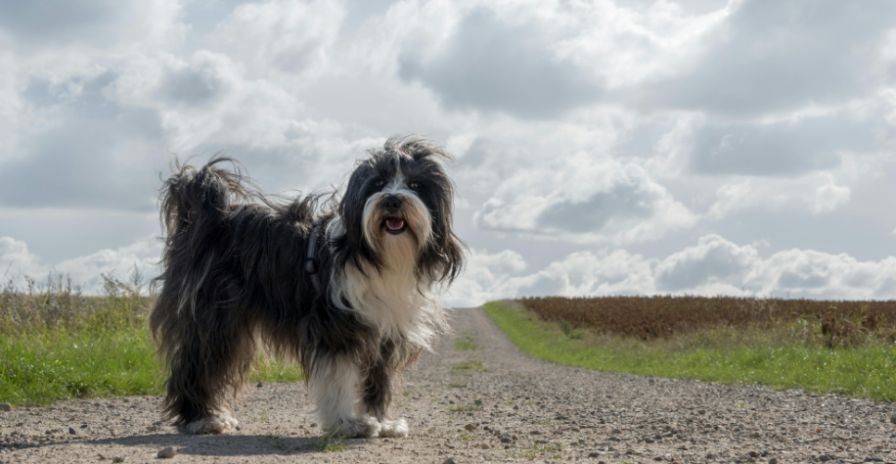
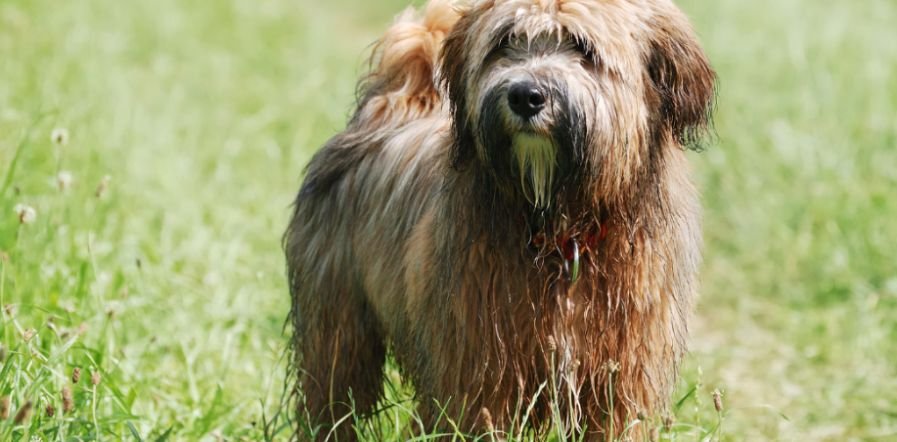
A Tibetan Terrier can adore its family, question an unnecessary command, and announce a delivery driver within the same minute. That unusual combination defines many Tibetan Terrier temperament and personality traits.
When I assess this breed, I do not see a conventional terrier or an unquestioning lapdog. I see a sensitive companion with an observant mind, a playful spirit, and firm opinions about how life should work.
What Is a Tibetan Terrier’s Temperament Like?
The typical Tibetan Terrier is affectionate, alert, intelligent, lively, and emotionally responsive. These dogs usually develop close family bonds without becoming friendly toward every person they meet.
The American Kennel Club describes the breed as affectionate, sensitive, and clever. The Royal Kennel Club standard calls it outgoing, alert, intelligent, and sparing with affection toward strangers. These descriptions capture the breed’s central contrast: warm at home but selective outside it.
Individual dogs still vary. Genetics, early handling, training, health, and daily experiences influence behavior. A confident puppy from a responsible breeder may approach life differently from a poorly socialized adult.
Why Tibetan Terriers Act Unlike True Terriers
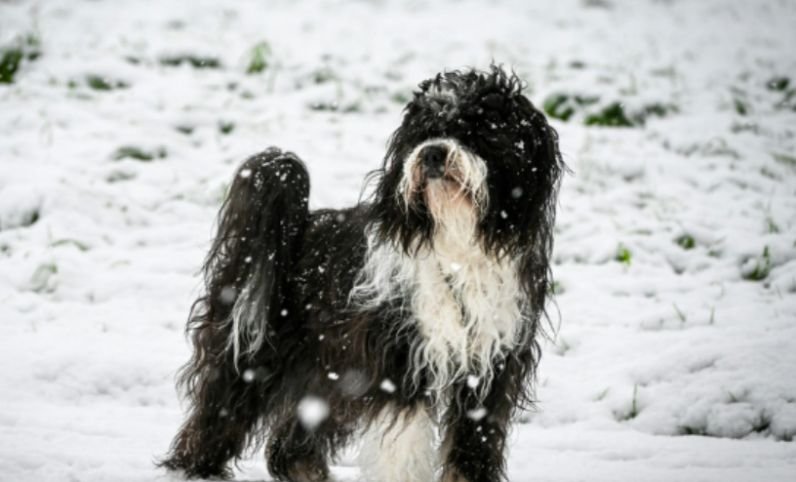
Despite the name, the Tibetan Terrier is not a true terrier. It was not developed primarily to chase vermin underground.
The breed spent centuries as a companion, property watcher, and useful household dog in Tibet. Tibetan Terrier Club of America history describes these dogs as highly valued companions that also helped protect property and assist families. They were even called “little people.”
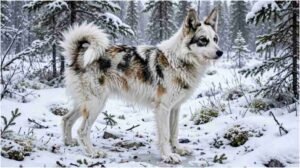
Comparing this background with West Siberian Laika size and breed characteristic can help readers see how different working histories shape not only a dog’s build and coat, but also its independence, stamina, alertness, and everyday behavior.
That background helps explain the modern dog. A Tibetan Terrier wants to stay involved with its people, monitor changes, and make independent judgments. It may chase a squirrel, but its personality differs from that of a hard-driving working terrier.
Understanding this history prevents mismatched expectations. Owners expecting automatic obedience may find the breed stubborn. People expecting a passive couch dog may be surprised by its athletic playfulness and watchful barking.
Core Tibetan Terrier Personality Traits
Deep Loyalty and Family Attachment
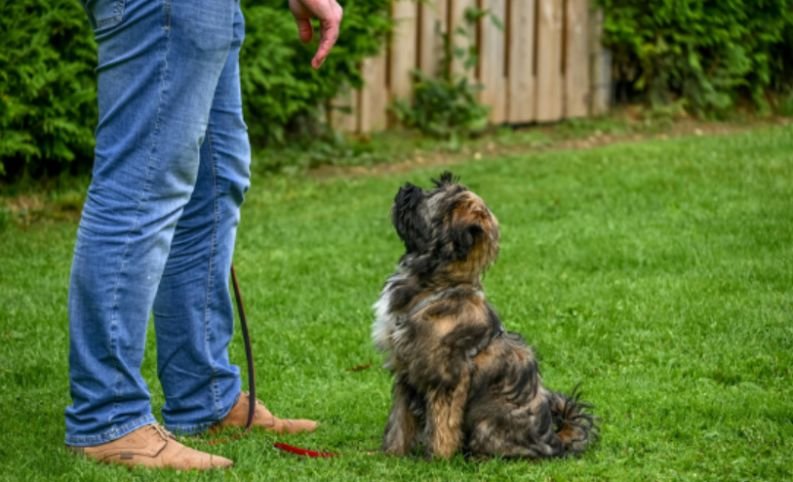
Strong family attachment sits at the center of Tibetan Terrier temperament and personality traits. Many dogs follow their owners between rooms, settle near family activity, and notice changes in household routines.
Their affection often feels selective rather than indiscriminate. A Tibetan Terrier may greet its favorite person with enthusiastic bouncing, then calmly ignore a stranger.
This closeness makes the breed rewarding for people who enjoy daily interaction. It can become difficult when a dog receives no practice being alone. Owners should teach short, calm separations before dependence turns into distress.
Intelligence With an Independent Streak
Tibetan Terriers learn patterns quickly. They notice where treats are stored, what time walks happen, and which family member is most likely to share food.
However, intelligence does not always produce instant obedience. The Tibetan Terrier Club of America notes that the breed can have an independent streak or appear to have its own agenda. VCA also describes it as a fast learner that can be stubborn.
I find this distinction useful: a confused dog cannot complete the task, while an independent dog may understand the task and decide that the reward is insufficient. Better motivation often solves the problem more effectively than repetition.
Sensitivity Beneath the Shaggy Coat
Tibetan Terriers tend to notice tone, posture, and household tension. Harsh corrections can make a sensitive dog hesitant, avoidant, or less willing to engage.
This does not mean owners should allow unwanted behavior. Clear limits still matter. The best approach combines calm interruption, predictable rules, and rewards for the desired response.
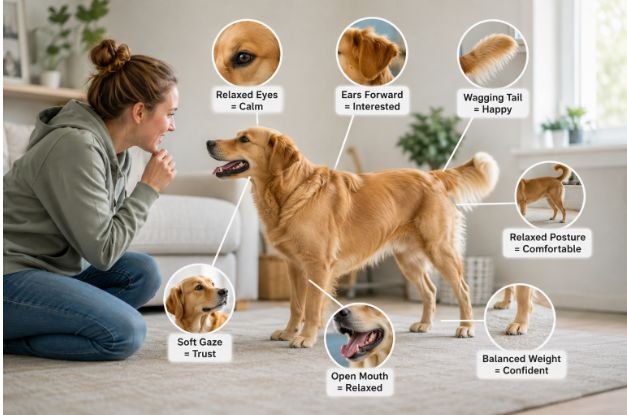
Owners who understand dog stress signals can respond before discomfort develops into avoidance, defensive barking, or reduced trust. Early signs such as lip licking, turning away, freezing, lowered posture, or repeated yawning can indicate that a sensitive Tibetan Terrier needs more distance or a calmer approach.
A dog that barks at the window, for example, should not be shouted into silence. Teach a cue such as “thank you,” guide the dog away, and reward quiet behavior. This respects the watchdog instinct without letting it control the home.
Playful Energy That Lasts Into Adulthood
Many Tibetan Terriers remain bouncy, comic, and puppy-like after physical maturity. They may race through the house, carry toys from room to room, or invent games around furniture.
They need daily movement, but they are not usually relentless endurance dogs. The Royal Kennel Club lists up to one hour of daily exercise as a general breed guideline. Individual needs vary with age and health.
Mental activity matters just as much. Scent games, trick training, food puzzles, and varied walking routes help satisfy an observant dog.
Behavior Around Strangers, Children, and Pets

Reserved but Usually Not Aggressive
Tibetan Terriers often pause before accepting unfamiliar people. Some stand back and observe. Others bark until they understand the situation.
Reserved behavior should not automatically be labeled fear or aggression. The breed standard specifically describes these dogs as sparing with affection toward strangers while being neither fierce nor pugnacious.
Good socialization should create calm confidence, not force every dog to enjoy physical contact from everyone. Let the dog approach voluntarily while visitors avoid looming, staring, or reaching over its head.
Living With Children
A well-socialized Tibetan Terrier can become a playful family companion. Its sturdy, medium-sized build often suits active households better than that of a fragile toy breed.
However, children must respect the dog. They should not pull its coat, climb on it, disturb sleep, or corner it. Adults should supervise interactions, especially with young children.
This breed’s sensitivity makes respectful handling essential. A child who learns to call the dog over rather than chase it will usually build greater trust.
Compatibility With Other Pets
Many Tibetan Terriers live successfully with other dogs and cats, particularly when introduced carefully. Early social experience can improve tolerance and communication.
Some individuals may chase small animals or guard valued objects. Introductions should therefore remain controlled. Feed pets separately at first, supervise play, and provide each animal with a private resting area.
Barking, Watchdog Instincts, and Separation
Alert barking is one of the most noticeable Tibetan Terrier temperament and personality traits. These dogs often report hallway sounds, visitors, vehicles, or unusual activity.
That behavior comes from a long history of watching property. It should be managed rather than treated as a moral failure.
Apartment living can still work, but owners must address barking early. White noise, blocked window access, enrichment, and a trained quiet cue can reduce repeated alarms.
Separation is another consideration. A Tibetan Terrier may struggle when companionship suddenly disappears for a full workday. Signs of distress can include pacing, vocalizing, destruction, drooling, or attempts to escape.
Build independence gradually. Begin with brief departures, offer a safe resting area, and return before the dog becomes overwhelmed. Serious separation-related behavior deserves help from a veterinarian or qualified behavior professional.
Training a Clever but Strong-Willed Tibetan Terrier
Training works best when it feels relevant and rewarding. Long, repetitive drills can cause a Tibetan Terrier to disengage.
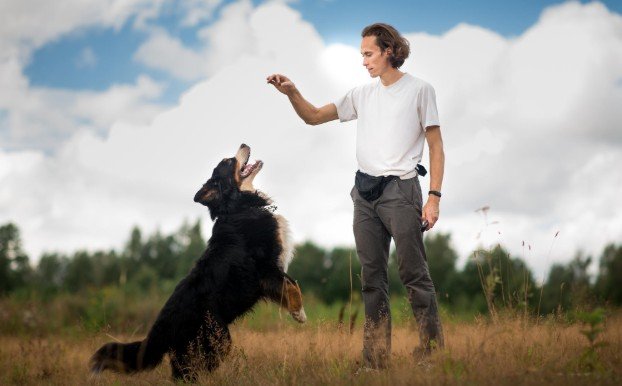
I prefer short sessions of three to five minutes. I would practice one behavior, reward success, and stop while the dog still wants more.
Use food, toys, movement, praise, and access to desired activities. A dog that loves sniffing can earn permission to investigate a tree after walking politely for several steps.
Consistency matters more than force. Every family member should use the same cues and rules. Mixed expectations teach the dog to test each person separately.
Recall training deserves special attention. Practice indoors first, then use a long line outdoors. Do not repeatedly call the dog for unpleasant events, such as ending every play session.
The Three-Moment Tibetan Terrier Personality Test
I use three everyday moments to explain this breed more clearly than a simple trait list.
First, watch the doorway. A typical Tibetan Terrier may alert, observe, and delay contact with a visitor. This reveals its watchdog history and stranger reserve.
Second, watch family downtime. The dog may rest close to its people without remaining on a lap. This shows attachment combined with independence.
Third, watch a training decision. The dog may learn a cue quickly but perform it more reliably when the reward has value. This exposes intelligence, sensitivity, and personal judgment.
Together, these moments show why the breed feels so distinctive. It is neither clingy in every situation nor emotionally distant. It wants connection while retaining agency.
Is a Tibetan Terrier Right for Your Household?
A Tibetan Terrier may suit you when you want an affectionate, intelligent dog that enjoys family involvement. It can adapt to a house or apartment when exercise, training, grooming, and barking are handled responsibly.
The breed may be a poor match for someone who wants silent living, instant obedience, or a dog that remains alone for long periods every day.
Prospective owners should meet adult dogs as well as puppies. Adults reveal the mature temperament more accurately. Ask breeders about confidence, noise sensitivity, sociability, and behavior within their lines.
Frequently Asked Questions
1. Are Tibetan Terriers good family dogs?
Yes. They can be affectionate and playful family dogs when children use respectful handling and adults supervise interactions.
2. Do Tibetan Terriers bark a lot?
Many bark readily at unfamiliar sounds because of their watchdog background, although training and environmental management can reduce excessive barking.
3. Are Tibetan Terriers easy to train?
They learn quickly but may act independently, so brief positive sessions usually work better than harsh or repetitive training.
4. What are the main Tibetan Terrier temperament and personality traits?
The main traits include loyalty, sensitivity, intelligence, stranger reserve, alert barking, playful energy, and an independent decision-making style.
Shaggy, Smart, and Definitely Not a Yes-Dog
The Tibetan Terrier offers deep affection without surrendering its individuality. That balance makes the breed charming, funny, and occasionally challenging.
I would choose this dog for its relationship-focused personality, not for automatic obedience. Before bringing one home, spend time with mature Tibetan Terriers and observe how they react to visitors, training, noise, and quiet family moments. Those small interactions reveal more than appearance ever can.