
Is a Carolina Dog a good family pet for an active household? In many cases, yes. However, this independent, alert breed needs more structure than the average easygoing companion dog.
I would describe the Carolina Dog as a quiet adventure partner rather than a social butterfly. It can become deeply devoted to its household while remaining cautious around unfamiliar people. The best match is a patient family prepared to provide exercise, training, secure boundaries, and steady socialization.
The Quick Verdict for Families
So, is a Carolina Dog a good family pet in practical terms? The answer depends less on your home’s size and more on your daily routine.
A Carolina Dog may suit your family when you enjoy hiking, walking, training, and outdoor activities. It can also thrive with owners who respect independent behavior rather than expecting instant obedience.
The breed may prove difficult for families wanting a relaxed dog that welcomes every visitor. It may also challenge first-time owners who lack time for socialization or secure exercise.
Why Carolina Dogs Bond Closely With Families
Carolina Dogs tend to form strong bonds with people they consider part of their social group. They often become loyal, observant companions that enjoy joining normal household activities.
Understanding carolina dog temperament and personality traits helps explain this bond. These dogs can be affectionate with familiar people yet reserved when strangers enter their space.
Loyalty Without Constant Clinginess
I would not expect every Carolina Dog to follow its owner from room to room. Many show affection through proximity, awareness, and participation rather than constant physical contact.
This independence does not mean the dog lacks attachment. It means the dog may choose when and how to interact. Families that appreciate this balance often find the relationship rewarding.
Reserved Behavior Around Strangers
The United Kennel Club breed standard describes shyness and suspicion as characteristic, while stating that excessive fear or human aggression is undesirable. Owners should not expect every Carolina Dog to enjoy contact with strangers.
That natural reserve can make the breed an attentive watchdog. However, owners must prevent caution from developing into fear through controlled, positive exposure.
Are Carolina Dogs Good With Children?
Parents asking is a Carolina Dog a good family pet usually want to know whether the breed behaves safely around children. A well-socialized individual can become affectionate and playful with respectful children, especially when raised alongside them.
Breed specialists report that Carolina Dogs often enjoy children and bond quickly with their household. They still recommend controlled introductions and active supervision around unfamiliar children.
Supervision and Respectful Handling
No dog should supervise itself around young children. Adults should prevent children from grabbing ears, disturbing sleep, climbing on the dog, or approaching its food.
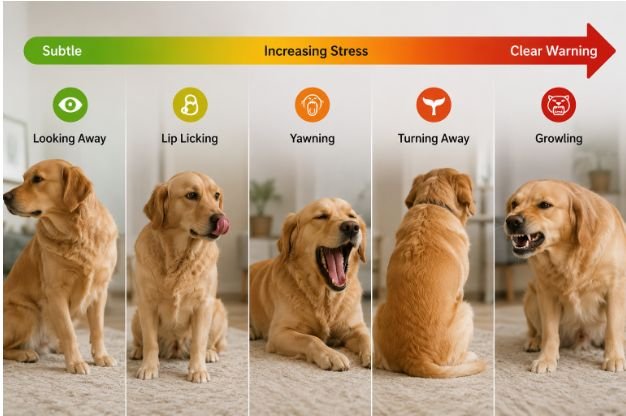
Children should also learn to recognize avoidance signals. Turning away, lip licking, lowered posture, or leaving the room can mean the dog needs space.
A calmer home with older children may be easier than a noisy household with toddlers. Individual temperament and early experiences matter more than the breed label alone.
Can Carolina Dogs Live With Other Pets?

When considering is a Carolina Dog a good family pet, assess every animal already living in your home. Carolina Dogs may coexist successfully with other dogs, particularly after slow introductions.
Small animals require greater caution. Carolina Dogs retain hunting instincts and may chase rabbits, rodents, outdoor cats, poultry, or other fast-moving animals. Carolina Dog breed specialists describe both prey drive and hunting ability as prominent traits.
Managing Their Natural Prey Drive
A secure introduction process matters. Use leashes, gates, crates, and separate rooms until both animals remain calm during controlled contact.
Do not assume peaceful behavior indoors guarantees safety outdoors. Movement can trigger chasing. Some individuals may never become trustworthy around small animals, even after training.
Exercise Needs of a Carolina Dog
A Carolina Dog needs purposeful daily activity. The American Kennel Club recommends fenced-yard play or several walks throughout the day.
Rather than promising a fixed 60- or 90-minute requirement, I would adjust exercise to the dog’s age, health, behavior, and energy. A young adult may need brisk walks, sniffing sessions, play, and training. An older dog may prefer shorter outings.
A tired dog is not always a satisfied dog. Repetitive running can build endurance without teaching calm behavior.
Why Mental Work Matters Too
Food puzzles, scent games, hide-and-seek, tracking exercises, and short obedience sessions engage the dog’s problem-solving ability.
My practical approach would divide activity into three parts: physical movement, scent-based exploration, and calm training. This combination usually provides more value than one long walk around the same block.
A secure fence is essential. Athletic dogs with hunting instincts may pursue wildlife beyond an unfenced property.
Carolina Dog Training and Socialization
Training strongly influences is a Carolina Dog a good family pet for your household. Intelligence does not always produce automatic cooperation. Independent dogs often evaluate whether a request seems worthwhile.
Harsh corrections can damage trust and increase defensive behavior. Calm consistency works better than intimidation.
Positive Reinforcement Builds Trust
Reward the behavior you want with food, play, access, or praise. Begin with useful skills such as recall, leash walking, settling, waiting at doors, leaving objects, and entering a crate.
Keep sessions short enough to maintain engagement. Five focused minutes can work better than a frustrating half-hour drill.
Socialization should create positive experiences, not forced interaction. Let the dog observe different people, surfaces, noises, vehicles, and environments from a comfortable distance.
My Carolina Dog Family Fit Test
I use a seven-point test when evaluating whether a distinctive breed fits family life. Give your household one point for every statement that feels realistic:
- We can provide structured activity every day.
- We have secure outdoor boundaries.
- We will continue training after puppyhood.
- Our children understand respectful dog handling.
- We can manage introductions to existing pets.
- We accept reserved behavior around visitors.
- We can provide quiet space when the dog feels overwhelmed.
A score of six or seven suggests a promising lifestyle match. Four or five means the family should prepare carefully. Three or fewer suggests another breed may integrate more easily.
This is not a scientific temperament test. It is a decision tool that exposes routine conflicts before adoption.
Living Space, Grooming, and Daily Care
People sometimes assume is a Carolina Dog a good family pet depends on owning a large rural property. Space helps, but reliable exercise and management matter more.
Apartment living may work for a settled adult with enough outdoor activity. However, frequent hallway encounters, elevators, unfamiliar dogs, and limited off-leash space can make management harder.
The short coat is relatively simple to maintain. Regular brushing removes loose hair and allows owners to check the skin, ears, paws, and body condition. Nail trimming, dental care, parasite prevention, and veterinary examinations remain necessary.
How to Choose the Right Carolina Dog
Temperament varies between individuals. Meet the dog more than once and observe its recovery after unfamiliar sounds, people, or environments.
Ask a rescue or breeder about behavior around children, dogs, cats, visitors, handling, food, crates, and car travel. Request specific examples rather than accepting vague labels such as “friendly.”
Prospective owners should also request documented health screening information when choosing a breeder. The Orthopedic Foundation for Animals advises buyers to review parental screening records and research breed-related health concerns.
An adult rescue can offer one advantage: its energy level, size, and core behavior may be easier to evaluate than those of a young puppy.
Frequently Asked Questions
1. Are Carolina Dogs aggressive with family members?
Human aggression is not a desirable breed trait, but poor socialization, fear, pain, or unsuitable handling can create behavioral problems in any dog.
2. Is a Carolina Dog good for first-time owners?
A committed beginner may succeed with professional support, although the breed’s independence, reserve, and prey drive often suit experienced owners better.
3. Can a Carolina Dog live with cats?
Some can live with familiar cats after careful introductions, but their prey drive means owners should never assume every Carolina Dog will be safe.
4. Is a Carolina Dog a good indoor dog?
Yes, provided it receives enough exercise, enrichment, training, and outdoor access. Indoor living does not replace the breed’s need for purposeful activity.
Adventure Partner or Household Chaos? You Decide
Ultimately, is a Carolina Dog a good family pet? Yes, when the family values loyalty, independence, outdoor activity, and patient training. No, when the household wants a highly social dog requiring little structure.
Before adopting, compare your real schedule with the seven-point fit test. Choose the individual dog whose behavior matches your household, not simply the breed’s striking appearance.