I once assumed leash pulling meant a dog was stubborn. In most cases, the dog is simply moving toward something rewarding and has never learned what a loose leash should feel like.
Once I understood that, walks became less frustrating. The clearest way to learn how to train a dog to walk without pulling is to reward calm movement beside you while making tight-leash walking unsuccessful.
Why Dogs Pull on the Leash
Dogs naturally walk faster than people and explore through scent. Pulling helps them reach trees, people, dogs, or interesting smells. Each time the handler follows, the dog learns that tension creates progress.
Excitement, anxiety, excess energy, or unfamiliar leash pressure may also contribute. Understanding the cause helps you choose the right training environment and reward.
What You Need Before Training
A Fixed-Length Leash
A standard leash gives predictable control and makes tension easy to notice. Retractable leashes can encourage pulling because dogs learn to move forward against pressure.
Comfortable Equipment
Use a properly fitted collar or harness that does not restrict breathing or movement. A front-clip harness may help manage a strong dog, but equipment should support training rather than replace it. Avoid tools that rely on pain or fear.
High-Value Rewards
Choose small treats your dog can eat quickly. Regular food may work indoors, while chicken, cheese, or another favourite reward may be needed outside. Praise and permission to sniff can also reinforce good walking.
Step-by-Step Loose-Leash Training
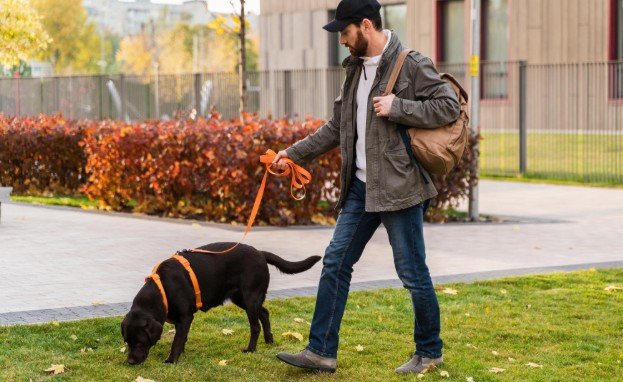
1. Begin Indoors
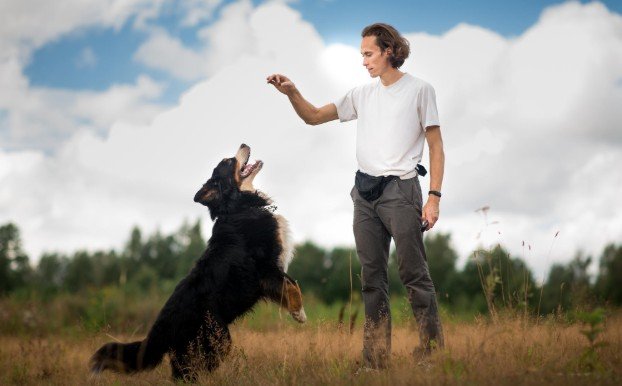
Start in a quiet room. Reward your dog for looking at you, moving toward your side, or standing calmly near your leg. This builds attention before distractions are added.
2. Reward the Correct Position
Choose which side you want your dog to walk on. Take one or two steps and reward beside your leg while the leash remains loose. Feeding too far ahead may encourage rushing.
Reward frequently at first, then gradually increase the number of steps.
3. Add a Walking Cue
Use a consistent phrase such as “let’s go” immediately before moving. The cue should predict calm forward movement.
4. Stop When the Leash Tightens
The moment your dog reaches the end of the leash, stop. Do not pull backward or keep walking. Wait for the dog to turn, step back, or loosen the leash.
Mark the response with praise or a click, reward beside your leg, and continue. A loose leash creates progress, while pulling makes progress pause.
5. Change Direction Early
If your dog becomes focused on something ahead, turn smoothly before the leash becomes tight. Reward the dog for following. Direction changes improve attention and prevent pulling from becoming a repeated habit.
6. Use Sniffing as a Reward
Ask for several calm steps, then release your dog with a phrase such as “go sniff.” This gives the walk structure while still meeting the dog’s natural need to explore.
Sniffing can be as rewarding as food for many dogs. Using it strategically helps your dog understand that calm walking provides access to interesting places.
7. Add Distractions Slowly
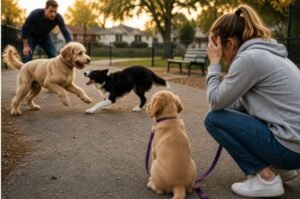
Move from indoors to a garden, quiet path, and busier location only after your dog succeeds at each stage. If the dog cannot respond near another animal, person, or bicycle, create more distance.
Training too close to a distraction can make learning almost impossible. Begin where your dog can still look at you, accept treats, and respond to familiar cues.
A Five-Minute Loose-Leash Training Routine
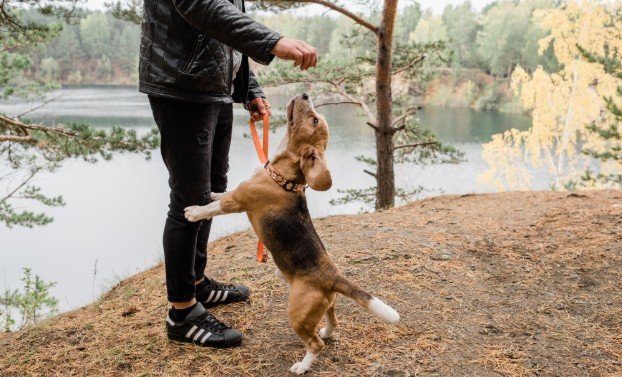
Spend the first minute rewarding eye contact and voluntary check-ins. Use the next two minutes for short sections of loose-leash walking with frequent rewards.
Spend the fourth minute changing direction before tension develops. Finish with one minute of relaxed sniffing as a reward for calm behaviour.
Short, successful sessions are often more useful than a long walk filled with pulling. This routine can be completed before a normal walk or practised separately in a quiet location.
Common Mistakes That Encourage Pulling
Inconsistent rules cause confusion. If pulling works when you are busy but not during training, the dog receives mixed information. Everyone who walks the dog should follow the same basic approach.
Other mistakes include rewarding too late, choosing an area that is too distracting, and using food that is not valuable enough. Rewards should appear while the dog is in the desired position rather than after the dog has already moved ahead.
Avoid expecting a strict heel for the entire walk. Loose-leash walking should allow comfortable movement, sniffing, and exploration without constant tension.
Handling Dogs, People, and Wildlife
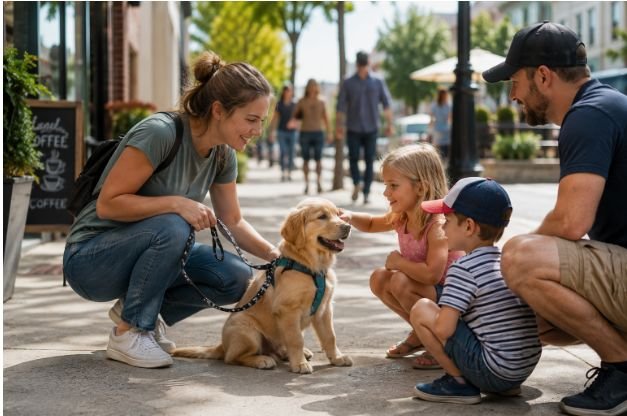
Stay far enough from distractions for your dog to remain calm and accept rewards. Reinforce looking at the trigger and then checking back with you. This teaches the dog to notice exciting things without immediately pulling toward them. The same gradual, reward-based approach can also help you teach a dog to stay home alone without creating unnecessary stress.
If the dog lunges, barks, freezes, or ignores treats, move farther away instead of forcing a close encounter. Increasing distance can restore focus and prevent the dog from becoming overwhelmed.
For squirrels or other wildlife, turn before the chase begins and reward the dog for following. Early action is usually more effective than trying to regain attention after the dog has reached full excitement.
How Long Does Training Take?
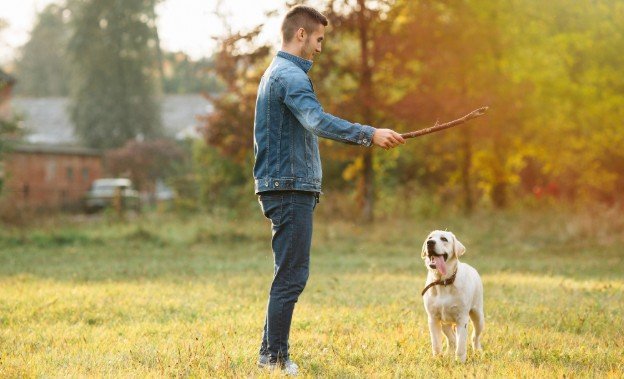
Some dogs improve within a few quiet sessions, but reliable walking around distractions can take weeks or months. Age, energy level, previous habits, environment, and consistency all affect progress.
Look for smaller signs of success, including faster check-ins, fewer tight-leash moments, and quicker recovery after distractions. These improvements show that your dog is learning even before the behaviour becomes completely dependable.
When to Seek Professional Help
Seek professional support when a dog is strong enough to cause injury, reacts aggressively, chases vehicles, shows intense fear, or cannot recover around normal triggers.
A qualified reward-based trainer or veterinary behaviour professional can identify the cause and develop a safer plan. Sudden changes in walking behaviour should also be discussed with a veterinarian because pain or illness may affect movement and reactions.
Frequently Asked Questions
1. What is the fastest way to reduce leash pulling?
Begin in a quiet place, reward beside your leg every few steps, and stop whenever the leash tightens. Short daily sessions usually create better results than occasional long sessions.
2. Should I use a harness for a dog that pulls?
A well-fitted harness can improve comfort and control, especially for a strong dog. However, it should still be combined with consistent reward-based training.
3. Can an older dog learn loose-leash walking?
Yes. Older dogs can learn new walking habits, although a long history of pulling may require additional repetition and patience.
4. How often should I practise how to train a dog to walk without pulling?
Practise for five to ten minutes once or twice daily, or include short training sections within regular walks. Finish while your dog is still focused and successful.
Final Thoughts
I have found that calm walking improves fastest when I stop treating the leash as a contest of strength. I reward attention, pause when tension appears, and increase distractions only when the dog is ready.
Progress may not always be steady, especially in unfamiliar places. However, short sessions, precise rewards, and regular opportunities to sniff can create dependable habits. With patience and consistency, everyday walks can become safer, calmer, and more enjoyable for both the dog and the person holding the leash.