
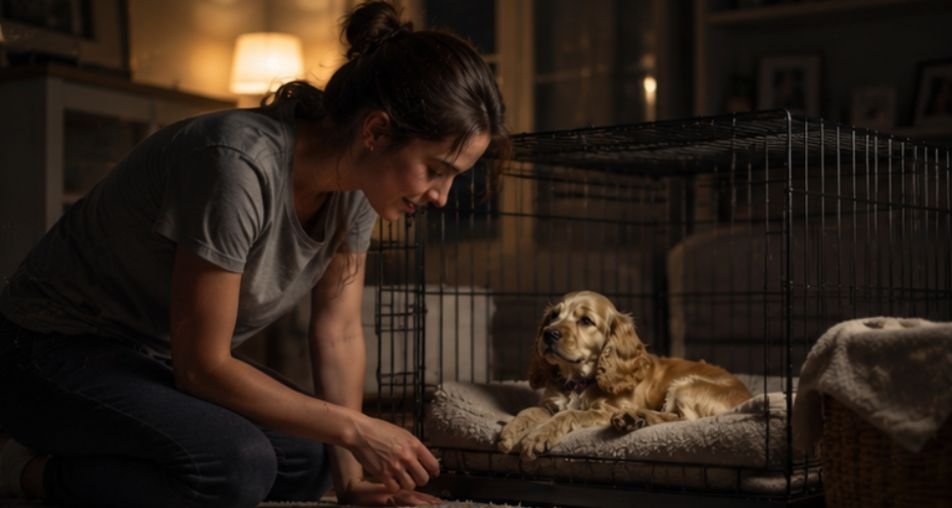
Every new puppy owner asks the same tired question at 3 a.m.: when do puppies start sleeping through night without waking everyone up? The honest answer is that most puppies settle into full nighttime sleep by around 16 weeks of age, though the exact timing shifts between 10 and 16 weeks depending on bladder development and breed size. This guide breaks down exactly what to expect at each stage and what you can do to speed things along.
Why This Question Actually Matters?
Sleep deprivation is no joke, even when the reason behind it is unbearably cute. Knowing when do puppies start sleeping through night helps you set realistic expectations instead of panicking over every midnight whine.
It also stops you from blaming your training when the real culprit is simply an immature bladder that hasn’t caught up yet. A little patience paired with the right information turns a stressful phase into a manageable one.
Age Milestones And Bladder Growth
When wondering when puppies start sleeping through the night, it’s important to understand that urinary incontinence develops gradually rather than overnight. Every puppy grows at a slightly different pace, but most follow a predictable timeline. Knowing what to expect at each stage helps you plan nighttime potty breaks and avoid unrealistic expectations during house training.
8 to 10 Weeks: Frequent Nighttime Potty Breaks
At 8 to 10 weeks old, puppies can typically hold their bladder for only 3 to 4 hours. Because of this limited bladder capacity, one or even two overnight potty trips are completely normal. Waking up during the night at this age doesn’t mean your puppy is misbehaving or that your training isn’t working—it simply reflects their physical development.
10 to 12 Weeks: Longer Sleep Stretches
As puppies reach 10 to 12 weeks, bladder control begins to improve noticeably. Most can comfortably hold their urine for 4 to 5 hours, reducing the need for multiple nighttime wake-ups. Many owners find that a single scheduled potty break before dawn is enough to prevent accidents while helping their puppy build healthy sleeping habits.
16 Weeks and Beyond: Sleeping Through the Night
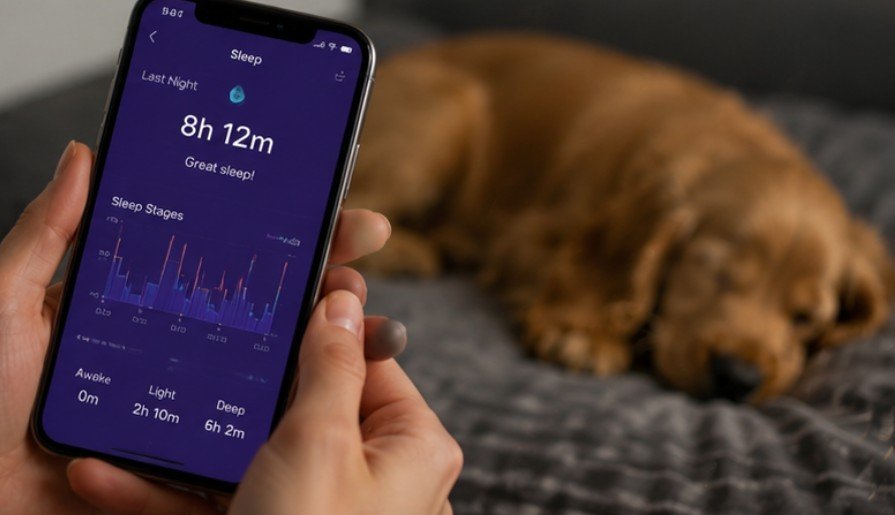
By 16 weeks (around 4 months) and older, most healthy puppies have developed enough bladder capacity to sleep 6 to 8 hours without needing a bathroom break. This aligns much more closely with a typical human sleep schedule, making uninterrupted nights far more realistic.
While individual breeds and puppies may progress slightly faster or slower, veterinarians and trainers generally consider the 16-week milestone the point when most puppies are physically capable of consistently sleeping through the night. Patience and a consistent bedtime routine during the earlier weeks help make this transition much smoother.
Breed Size And Bladder Development

Breed Size Influences Nighttime Bladder Control
Not all puppies develop at the same pace, and breed size is one of the biggest factors affecting when they can sleep through the night. While every puppy is unique, larger and smaller breeds often reach this milestone on different timelines.
Large vs. Small Breeds
Larger breeds, such as Labradors and Golden Retrievers, often develop bladder control slightly earlier because their muscles and internal organs mature more quickly relative to their overall growth. In contrast, toy breeds like Chihuahuas or Yorkshire Terriers have much smaller bladders and may not consistently hold their urine overnight until 5 to 6 months of age.
As a result, two puppies receiving the same training may achieve uninterrupted nighttime sleep weeks or even months apart. Understanding these natural differences helps you set realistic expectations and avoid comparing your puppy’s progress with others.
How To Help Your Puppy Sleep Through Night
Create a Predictable Evening Routine
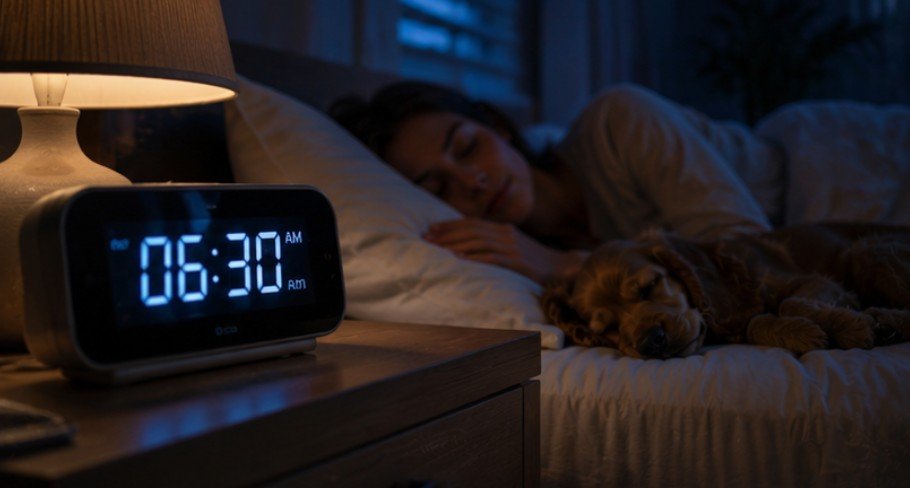
If you’re wondering when puppies start sleeping through the night, one of the best ways to encourage longer sleep is by following a consistent bedtime routine. Puppies thrive on repetition, and predictable habits develop thinking skills and help them understand when it’s time to settle down for the night.
Limit Food and Water Before Bed
Avoid giving your puppy a large meal or unrestricted access to water about two hours before bedtime. This helps reduce the likelihood of a full bladder during the night while still ensuring they stay properly hydrated throughout the day.
Don’t Skip the Final Potty Break
Always take your puppy outside for one last bathroom break immediately before bedtime. Keep this outing calm, quiet, and purposeful so your puppy associates it with sleeping rather than playtime or excitement.
Keep Nighttime Potty Trips Boring
If your puppy wakes up and needs to go outside, keep the interaction brief and uneventful. Avoid talking, cuddling, or playing. A quick potty break followed by a return to bed teaches your puppy that waking at night won’t lead to extra attention or fun.
Stay Consistent Every Night
Consistency is more important than perfection. Stick to the same bedtime, follow the same evening routine, and respond to nighttime wake-ups in the same calm manner. Within a few weeks, most puppies begin recognizing basic manners, sleep for longer stretches, and settle back to sleep much more quickly.
Frequently Asked Questions
1. At what age can a puppy sleep through the night without peeing?
Most puppies reach this point around 16 weeks old, once their bladder can comfortably hold urine for 6 to 8 hours. Some smaller breeds may need a few extra weeks before reaching this same level of control.
2. What is the hardest month for a puppy?
The second month at home, usually covering weeks 8 through 12, tends to be the toughest stretch. Bladder control is still limited during this time, and adjusting to a new environment often adds extra restlessness at night.
3. Can I let my 9 week old puppy sleep through the night?
It is not recommended at this age, since a 9 week old puppy can typically only hold urine for 3 to 4 hours. Skipping nighttime bathroom breaks this early usually leads to accidents rather than progress.
4. What time should a puppy go to bed for the night?
Somewhere between 8 and 10 p.m. tends to work well for most households, as long as that same bedtime stays consistent every night. A predictable schedule helps a puppy’s internal clock adjust much faster.
Sweet Dreams Ahead: The Countdown To Full Nights
Figuring out when do puppies start sleeping through night doesn’t have to feel like a mystery anymore. With bladder capacity improving steadily between 8 and 16 weeks, a bit of patience, a calm bedtime routine, and boring nighttime bathroom breaks, most puppies settle into full nights of sleep by the four month mark. Better rest for your puppy means better rest for you too, and that finish line is closer than those exhausting early weeks make it feel.