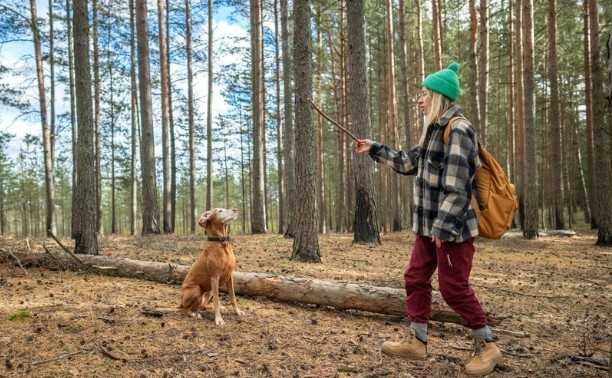
Living with a dog becomes easier when both of you share a clear language. I have found that short, positive lessons work better than long, frustrating sessions. Teaching the basic obedience commands every dog should learn can improve safety, prevent unwanted behaviour and make daily routines more enjoyable.
Obedience is not about controlling every move. It gives a dog predictable guidance and rewards good decisions.
Why Obedience Training Matters
A reliable “come” may stop a dog from running towards danger. “Leave it” and “drop it” can prevent swallowing harmful objects, while “stay” and “wait” help at doors, roads and crowded spaces.
Train for five to ten minutes in a quiet area. Use small treats, praise or a favourite toy. Say a marker word such as “yes” the instant the correct behaviour happens, then reward. Everyone at home should use the same cues.
1. Name Response
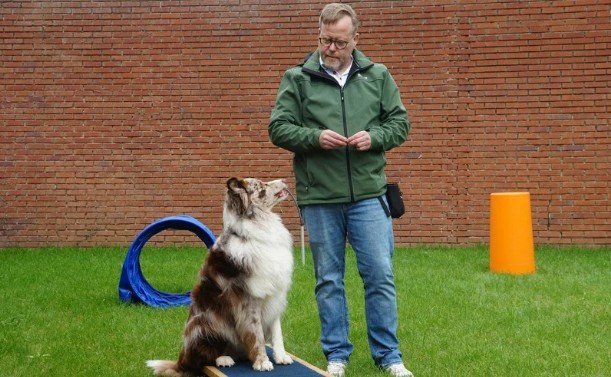
Say the dog’s name once in a cheerful voice. Reward the moment the dog looks at you. Avoid repeating it, because attention is the foundation for every other skill.
2. Sit
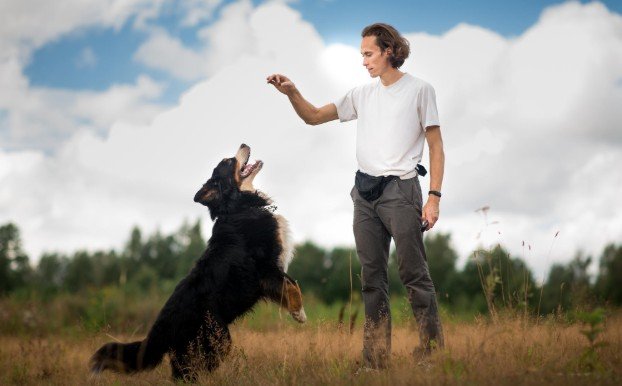
Hold a treat near the nose and move it slowly upward and back. When the rear lowers, mark and reward. Add “sit” once the movement becomes predictable, and never push the dog’s hips down.
3. Down
From a sit, guide a treat towards the floor and slightly forward. Reward when the elbows and body touch the ground. Use a comfortable, non-slip surface and never force the position.
4. Stay
When you train a rescue dog, ask for a sit or down, show an open palm, and say “stay.” Pause briefly, reward, and release. Increase duration before adding distance. Use a release cue such as “free” so the ending is clear.
5. Come
Begin indoors from a few steps away. Say the dog’s name followed by “come,” move backwards and reward generously on arrival. Never punish a dog after it comes. Use a long training line outdoors until recall is dependable.
6. Emergency Recall
Choose a special word that is not used in normal conversation. Practise it occasionally and give an unusually valuable reward.
7. Wait

“Wait” requests a temporary pause rather than a fixed position. At a door, open it slightly, close it if the dog moves forward and reward calm waiting. Gradually open it farther before giving a release word.
8. Leave It
Place a low-value treat in a closed hand. When the dog moves away, mark the choice and reward from the other hand. Add “leave it,” then progress to an open palm and an item on the floor.
9. Drop It
Let the dog hold a toy, then offer a better reward. When the toy is released, say “drop it,” mark and reward. Return the toy when safe. Chasing or pulling can turn the situation into a game or encourage guarding.
10. Off
Use “off” when paws are on a person, counter or furniture. Guide all four paws to the floor and reward there. Keep “off” separate from “down” to avoid confusion.
11. Loose-Leash Walking
Reward the dog beside your preferred side, take a few steps and reward again while the leash stays loose. If pulling begins, stop or change direction. Heel is a precise close position, while loose-leash walking allows more freedom.
12. Release
A release word tells the dog that stay, wait or another controlled behaviour has ended. Reward the held position, say “free,” then encourage movement.
Make Every Cue Reliable
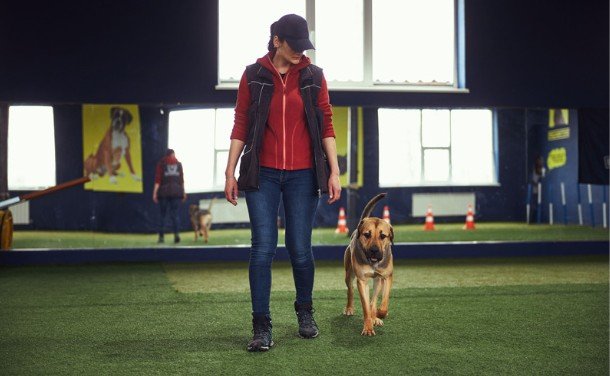
Dogs do not automatically understand that a cue learned in the kitchen also applies outside. Build reliability through duration, distance and distraction, increasing only one difficulty at a time.
If performance weakens, make the exercise easier rather than repeating the cue. Rewards can become less frequent later, but occasional reinforcement should continue.
Mistakes That Slow Progress
Common mistakes include repeating commands, rewarding too late, training too long and progressing too quickly. Inconsistent vocabulary also creates confusion.
Punishment may suppress behaviour without teaching a better choice. Reward-based training shows the dog what to do. Seek a qualified trainer or behaviour professional for aggression, severe fear, guarding or intense anxiety.
Frequently Asked Questions
1. What Are the First Five Commands to Teach?
Start with name response, sit, down, stay and come. They create attention, body control and a basic safety system before harder exercises.
2. How Long Does Obedience Training Take?
A dog may understand a simple cue within several sessions, but reliability requires practice in different environments.
3. What Is the Difference Between Stay and Wait?
Stay means holding a particular position until released. Wait means pausing temporarily before moving forward.
4. What Are the Basic Obedience Commands Every Dog Should Learn?
The most practical set covers attention, stationary positions, recall, impulse control, object release, polite greetings and leash manners.
5. Can an Older Dog Learn These Skills?
Yes. Older dogs can learn when rewards are meaningful, sessions are short and physical limitations are respected. Age alone does not prevent progress.
Final Thoughts
I view training as an ongoing conversation, not a test a dog passes once. Real success means calm, dependable responses in different places and around ordinary distractions.
By rewarding clearly, progressing gradually and practising for a few focused minutes each day, I can build useful habits without fear or force. Patience and consistency create better manners, greater safety and a stronger lifelong bond.