Bringing home a new furry family member brings immense joy, but pet parents often wonder what age can puppies go outside safely. Balancing essential potty training against outdoor germs requires a simple, effective plan for every pet owner.
Your new companion needs fresh air and fun experiences to grow up confident and happy. Knowing when your pup can touch the grass protects them from serious illnesses while helping them explore the world.
Key Takeaways
- Public outdoor areas require waiting until 18 to 22 weeks of age after full vaccination.
- Private backyards are safe as early as 8 weeks old for quick potty training.
- Early socialization works best by carrying young pups in slings or strollers.
- Booster shots like DAPP require a two-week waiting period post-final dose.
- Preventative care keeps young companions safe from outdoor hazards and parasites.
Knowing When Can Puppies Go Outside Safely?
Unlocking the secret of what age can puppies go outside safely keeps your dynamic little explorer healthy while they discover exciting outdoor sights and smells.
Proper timing protects your fur-baby from invisible playground party-poopers like Parvovirus while allowing them to sniff out great neighborhood fun. Mastering this timeline lets you plan safe outdoor play dates, conquer potty training like a pro, and build wonderful memories together without any worries.
Protecting Vulnerable Immune Systems
Young puppies rely on temporary antibodies from their mother during their first few weeks of life. As these natural antibodies fade, your pup requires a series of core vaccinations to build their own immunity against dangerous canine diseases.
Exposing an unvaccinated puppy to public areas puts them at risk of catching contagious viruses. Waiting for proper vaccine coverage ensures your dog stays healthy while enjoying outdoor activities.
Building Early Behavioral Confidence
Early experiences shape how your dog reacts to new environments as they mature. Socialization helps prevent fearfulness, barking, and anxiety around strange sounds, people, and other animals.
Safely introducing your puppy to outdoor sights during their early months builds long-term confidence. Finding the right balance between health protection and social exposure sets your pet up for success.
Vaccine Timelines and Core Immunity Milestones
Medical guidelines determine when your puppy can safely transition from indoor play to public outdoor adventures.
Veterinarians give core vaccines like DAPP in multiple rounds spaced several weeks apart. Each booster strengthens your puppy’s immune system until their final round is complete.

Understanding Core Puppy Vaccines
Core vaccines protect against severe illnesses including Distemper, Parvovirus, Adenovirus, and Parainfluenza. These diseases spread easily through direct contact or contaminated soil in public spaces.
Puppies receive their first shots around 6 to 8 weeks of age, followed by boosters every three to four weeks. Staying on schedule with your veterinarian ensures complete coverage.
The Final Booster Waiting Period
Puppies can safely walk in public outdoor areas 18 to 22 weeks of age, which is two weeks after they finish their final round of core puppy shots. This critical two-week window allows the immune system to build complete protection.
Walking on public grass before this milestone leaves your puppy unprotected against persistent environmental pathogens. Patience during this short waiting period guarantees lifetime health benefits.
Private Backyards vs Public Spaces Safety Guide
Knowing where your puppy can step helps you manage daily routines while keeping risk factors low.
Different locations carry vastly different disease risks depending on which animals frequent the area. Tailoring your outings based on location ensures steady progress in training.
Navigating Private Backyards
However, they can go into a private, clean backyard as early as 8 weeks old for potty training if other unknown dogs cannot get in. Private yards offer a controlled environment free from unknown animal histories.
Supervise your puppy during backyard visits to ensure they do not consume soil, mushrooms, or wild animal waste. Keep play sessions short and focused on positive rewards.
Navigating Public Walks and Parks
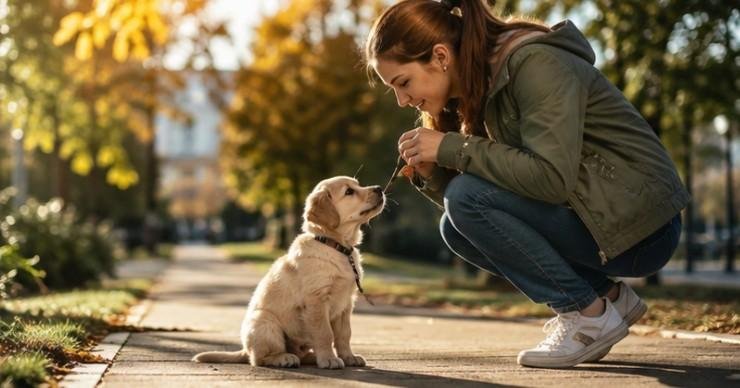
Public parks, sidewalks, and pet stores host hundreds of visiting dogs every week. These high-traffic zones present significant disease risks for young pets without full vaccine coverage.
Avoid placing your puppy on public ground until two weeks post-final boosters. Stick to private spaces for early leash practice and exercise.
Safe Early Socialization Hacks for Young Puppies
Exposing your puppy to new sights does not require putting their paws on public ground. Creative transport solutions allow young pups to observe the world without coming into contact with dangerous germs. Early exposure helps your pet feel comfortable around everyday noises.
Carrying Your Puppy Outdoors
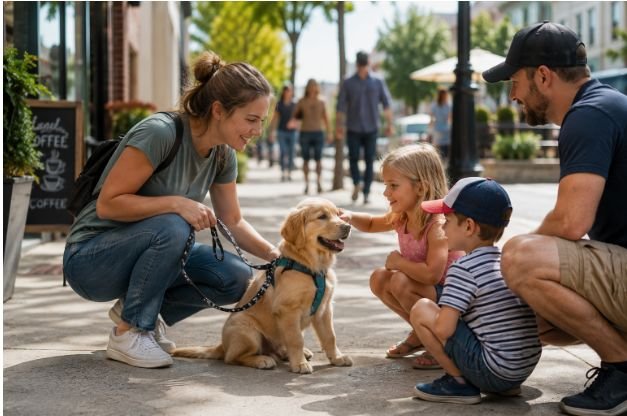
You can take a young puppy out in a sling, stroller, or your arms to see the world safely before their shots finish. Carrying your pet lets them hear traffic, see strangers, and smell fresh air safely.
Visit bustling neighborhood spots while holding your puppy securely in your lap or carrier. This simple habit builds curiosity without exposure to ground pathogens.
Hosting Controlled Visits and Playdates
Playdates are fine only with healthy, fully vaccinated adult dogs in clean, private areas. Friendly adult dogs teach puppies proper social manners and gentle puppy biting boundaries.
Ensure all participating pets are fully up to date on their shots before scheduling a meeting. Use a private living room or enclosed yard for these safe play sessions.
How to Safely Transition Your Puppy Outdoors
Following a clear step-by-step approach ensures your puppy enjoys smooth outdoor adventures as they grow.
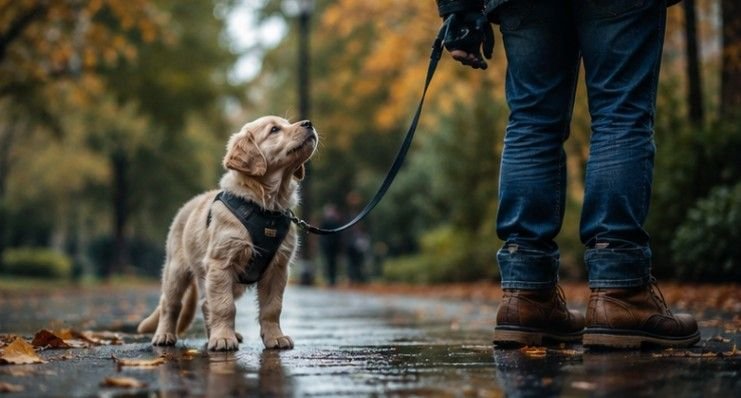
Introducing your pet to the outdoors gradually prevents sensory overload and keeps training sessions fun. Simple preparation turns everyday walks into wonderful bonding moments.
First, fit your puppy with a light harness inside your home so they adjust to the feeling. Let them walk around the living room while dragging a short leash under your direct supervision.
Second, begin outdoor training in your private backyard using delicious treats to encourage focus. Reward your puppy whenever they pay attention to you despite outdoor distractions like chirping birds.
Third, venture onto quiet public sidewalks once your veterinarian clears your puppy after their final booster. Keep initial public walks short, positive, and focused on confidence building.
Frequently Asked Questions
1. Can I take my 8 week old puppy on a walk outside?
No, you should avoid public walks at 8 weeks because your puppy lacks full vaccine protection against serious diseases. Stick to your private backyard for short potty breaks and fresh air.
2. What is the 7 7 7 rule for puppies?
The 7-7-7 rule encourages introducing your puppy to 7 different surfaces, 7 new sounds, and 7 friendly people by 7 weeks of age to foster great confidence and social skills.
3. Can I let my 8 week old puppy in my backyard?
Yes, your 8-week-old puppy can explore a private, enclosed backyard if no unvaccinated or unknown animals access the lawn. Always supervise your puppy closely during outdoor backyard sessions.
4. Can my 12 week old puppy go outside?
Your 12-week-old puppy can spend time in private yards and be carried through public areas. However, keep their paws off public ground until two weeks after their final core vaccines.
Paws, Play, and Beyond with Your Puppy
Mastering what age can puppies go outside safely gives your growing fur-baby the perfect head start in life. Combining safe backyard potty practice with carried public outings builds incredible confidence without risking your pup’s physical health. Stay consistent with your veterinarian’s recommended vaccine schedule, enjoy every small milestone together, and look forward to a lifetime of happy outdoor adventures with your best friend!