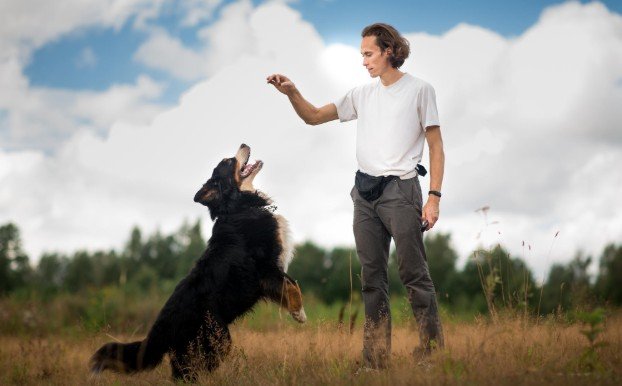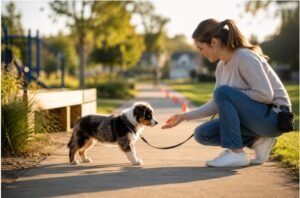
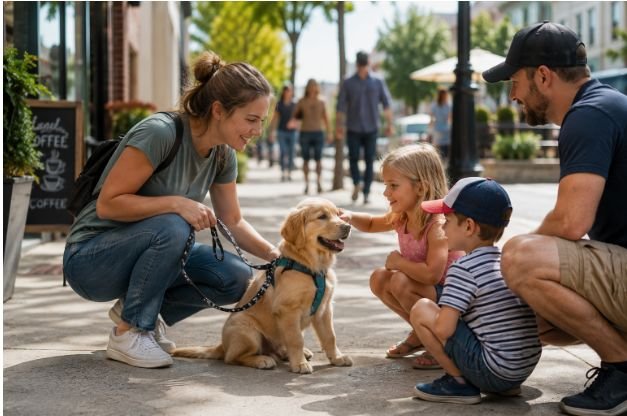
I used to think a confident dog was simply born that way. Whenever I saw a puppy calmly greeting strangers, walking past loud traffic, or happily exploring a new park, it seemed like luck had something to do with it. The more I watched dogs grow, the more I realized those moments weren’t accidental. They were often the result of small, positive experiences that happened long before the dog reached adulthood.
That changed the way I looked at raising a puppy. Confidence doesn’t appear overnight, and it isn’t built through one big training session. It grows through everyday experiences that teach a young dog the world is interesting instead of frightening. That’s why socialization before adulthood has such a lasting impact. It lays the foundation for how a dog responds to unfamiliar people, places, sounds, and situations for years to come.
Why Early Experiences Matter So Much

A puppy’s brain develops rapidly during the first few months of life. Between roughly 3 and 16 weeks of age, dogs pass through what’s often called the critical socialization period. During this stage, they’re naturally more open to learning about the world around them.
When those experiences are calm and positive, puppies begin to see new situations as normal instead of threatening. They learn that bicycles, delivery trucks, children playing, vacuum cleaners, and friendly strangers aren’t things to fear. Those lessons stay with them well into adulthood.
That doesn’t mean socialization ends after 16 weeks. Adolescent dogs continue learning, and positive experiences throughout their teenage months help reinforce the confidence they started building as puppies.
Socialization Is More Than Meeting Other Dogs
One of the biggest misunderstandings about puppy socialization is believing it only means letting puppies play with other dogs.
In reality, socialization is about helping a puppy become comfortable with everyday life. The goal is to introduce them to different environments, people, sounds, objects, and routines in a way that feels safe and rewarding.
A well-socialized puppy benefits from experiences like:
- Meeting people of different ages and appearances.
- Walking on grass, gravel, sidewalks, wood floors, and metal grates.
- Hearing traffic, thunderstorms, doorbells, and household appliances.
- Visiting pet-friendly stores or outdoor cafés.
- Riding in the car before long trips become necessary.
- Experiencing gentle handling of paws, ears, and teeth.
These moments may seem ordinary to people, but they’re valuable learning opportunities for a growing dog.
Positive Experiences Build Real Confidence
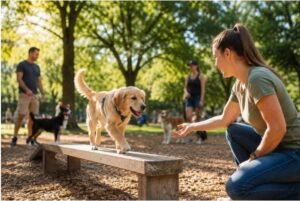
Simply exposing a puppy to new situations isn’t enough. The experience itself needs to feel positive.
Forcing a nervous puppy into a crowded environment or encouraging unwanted interactions can have the opposite effect. Instead of building confidence, it may increase fear.
Positive reinforcement makes a significant difference. Treats, praise, toys, and patience help puppies associate unfamiliar situations with something enjoyable. Over time, their confidence grows naturally because they learn that exploring the world leads to good outcomes.
This gradual approach also supports emotional resilience, making it easier for dogs to recover from unexpected situations later in life.
Everyday Life Is the Best Training Ground
Many owners focus on formal training classes while overlooking the learning opportunities already happening every day.
Simple routines often teach the most valuable lessons. Waiting calmly at a crosswalk, greeting visitors at home, hearing children play in a nearby park, or watching cyclists pass by all help puppies become more adaptable.
Even routine grooming appointments and veterinary visits become less stressful when puppies have already experienced gentle handling at home. Touching their paws, checking their ears, brushing their coat, and rewarding calm behavior prepare them for situations they’ll encounter throughout life.
These small moments often have a bigger long-term impact than occasional training sessions.
Common Mistakes That Slow Confidence

Good intentions don’t always produce good results. Some socialization mistakes can accidentally increase anxiety instead of reducing it.
The most common ones include:
- Introducing too many new experiences in a single day.
- Forcing interactions with unfamiliar dogs or people.
- Ignoring signs of stress, such as tucked tails, lip licking, or avoiding eye contact.
- Waiting until fear develops before beginning socialization.
- Assuming every puppy learns at the same pace.
Every dog develops differently. Moving at the puppy’s comfort level builds trust while preventing unnecessary setbacks.
If you’re also working on puppy confidence building, combining gradual socialization with reward-based training creates a stronger foundation than relying on exposure alone.
Confidence Doesn’t Stop Growing After Puppyhood
Although the earliest months are incredibly important, confident adult dogs continue learning throughout their lives.
Adolescence often brings temporary fear periods where familiar things suddenly seem unfamiliar. Remaining patient during this stage helps dogs work through those moments without creating lasting anxiety.
Continuing positive experiences, exploring new places, practicing good manners, and reinforcing calm behavior all strengthen the confidence built during puppyhood.
The goal isn’t raising a fearless dog. It’s raising one that knows how to recover, adapt, and stay curious when faced with something new.
FAQs: Why Socialization Before Adulthood Shapes a More Confident Dog
When should puppy socialization begin?
Most experts recommend beginning positive socialization between 3 and 16 weeks of age while following your veterinarian’s advice on safe exposure and vaccinations.
Can older puppies still be socialized?
Yes. While early development is especially important, adolescent and adult dogs can continue building confidence through gradual, positive experiences and consistent training.
Does socialization only involve meeting other dogs?
No. Puppies also benefit from experiencing different people, sounds, places, surfaces, objects, and everyday routines that help them feel comfortable in changing environments.
How can I tell if my puppy feels overwhelmed?
Watch for signs like tucked tails, excessive yawning, lip licking, hiding, freezing, or trying to move away. Creating distance and slowing the pace helps puppies rebuild confidence.
The Confidence They Carry Into Every New Experience
Every confident adult dog starts somewhere, and that journey usually begins with ordinary moments that don’t seem remarkable at the time. A short walk around the neighborhood, meeting a friendly stranger, hearing a lawn mower for the first time, or calmly visiting the veterinarian all become building blocks for a dog’s future behavior. Those experiences teach puppies that unfamiliar doesn’t always mean unsafe.
The time invested before adulthood often becomes the confidence they rely on for the rest of their lives.