Blog

  • Check Now: What Age Can Puppies Go Outside Safely? Vet Tips

    Check Now: What Age Can Puppies Go Outside Safely? Vet Tips

    Bringing home a new furry family member brings immense joy, but pet parents often wonder what age can puppies go outside safely. Balancing essential potty training against outdoor germs requires a simple, effective plan for every pet owner.

    Your new companion needs fresh air and fun experiences to grow up confident and happy. Knowing when your pup can touch the grass protects them from serious illnesses while helping them explore the world.

    Key Takeaways

    • Public outdoor areas require waiting until 18 to 22 weeks of age after full vaccination.
    • Private backyards are safe as early as 8 weeks old for quick potty training.
    • Early socialization works best by carrying young pups in slings or strollers.
    • Booster shots like DAPP require a two-week waiting period post-final dose.
    • Preventative care keeps young companions safe from outdoor hazards and parasites.

    Knowing When Can Puppies Go Outside Safely?

    Unlocking the secret of what age can puppies go outside safely keeps your dynamic little explorer healthy while they discover exciting outdoor sights and smells.

    Proper timing protects your fur-baby from invisible playground party-poopers like Parvovirus while allowing them to sniff out great neighborhood fun. Mastering this timeline lets you plan safe outdoor play dates, conquer potty training like a pro, and build wonderful memories together without any worries.

    Protecting Vulnerable Immune Systems

    Young puppies rely on temporary antibodies from their mother during their first few weeks of life. As these natural antibodies fade, your pup requires a series of core vaccinations to build their own immunity against dangerous canine diseases.

    Exposing an unvaccinated puppy to public areas puts them at risk of catching contagious viruses. Waiting for proper vaccine coverage ensures your dog stays healthy while enjoying outdoor activities.

    Building Early Behavioral Confidence

    Early experiences shape how your dog reacts to new environments as they mature. Socialization helps prevent fearfulness, barking, and anxiety around strange sounds, people, and other animals.

    Safely introducing your puppy to outdoor sights during their early months builds long-term confidence. Finding the right balance between health protection and social exposure sets your pet up for success.

    Vaccine Timelines and Core Immunity Milestones

    Medical guidelines determine when your puppy can safely transition from indoor play to public outdoor adventures.

    Veterinarians give core vaccines like DAPP in multiple rounds spaced several weeks apart. Each booster strengthens your puppy’s immune system until their final round is complete.

    Vaccine Timelines and Core Immunity Milestones

    Understanding Core Puppy Vaccines

    Core vaccines protect against severe illnesses including Distemper, Parvovirus, Adenovirus, and Parainfluenza. These diseases spread easily through direct contact or contaminated soil in public spaces.

    Puppies receive their first shots around 6 to 8 weeks of age, followed by boosters every three to four weeks. Staying on schedule with your veterinarian ensures complete coverage.

    The Final Booster Waiting Period

    Puppies can safely walk in public outdoor areas 18 to 22 weeks of age, which is two weeks after they finish their final round of core puppy shots. This critical two-week window allows the immune system to build complete protection.

    Walking on public grass before this milestone leaves your puppy unprotected against persistent environmental pathogens. Patience during this short waiting period guarantees lifetime health benefits.

    Private Backyards vs Public Spaces Safety Guide

    Knowing where your puppy can step helps you manage daily routines while keeping risk factors low.

    Different locations carry vastly different disease risks depending on which animals frequent the area. Tailoring your outings based on location ensures steady progress in training.

    Navigating Private Backyards

    However, they can go into a private, clean backyard as early as 8 weeks old for potty training if other unknown dogs cannot get in. Private yards offer a controlled environment free from unknown animal histories.

    Supervise your puppy during backyard visits to ensure they do not consume soil, mushrooms, or wild animal waste. Keep play sessions short and focused on positive rewards.

    Navigating Public Walks and Parks
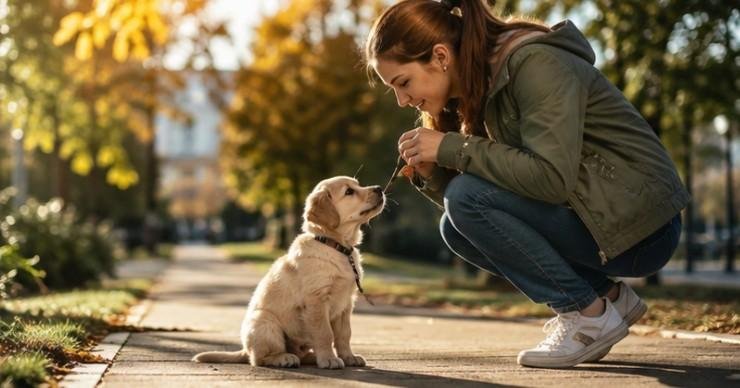
    Navigating Public Walks and Parks

    Public parks, sidewalks, and pet stores host hundreds of visiting dogs every week. These high-traffic zones present significant disease risks for young pets without full vaccine coverage.

    Avoid placing your puppy on public ground until two weeks post-final boosters. Stick to private spaces for early leash practice and exercise.

    Safe Early Socialization Hacks for Young Puppies

    Exposing your puppy to new sights does not require putting their paws on public ground. Creative transport solutions allow young pups to observe the world without coming into contact with dangerous germs. Early exposure helps your pet feel comfortable around everyday noises.

    Carrying Your Puppy Outdoors

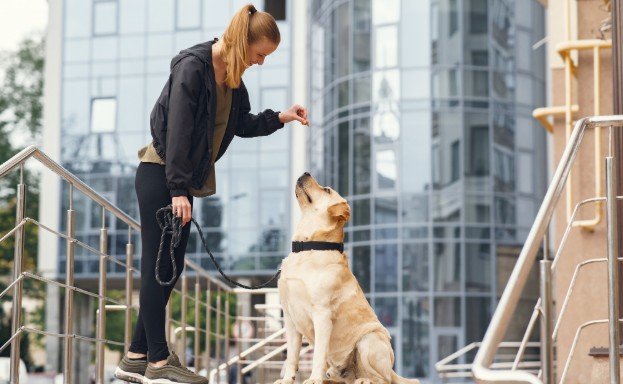
    You can take a young puppy out in a sling, stroller, or your arms to see the world safely before their shots finish. Carrying your pet lets them hear traffic, see strangers, and smell fresh air safely.

    Visit bustling neighborhood spots while holding your puppy securely in your lap or carrier. This simple habit builds curiosity without exposure to ground pathogens.

    Hosting Controlled Visits and Playdates

    Playdates are fine only with healthy, fully vaccinated adult dogs in clean, private areas. Friendly adult dogs teach puppies proper social manners and gentle puppy biting boundaries.

    Ensure all participating pets are fully up to date on their shots before scheduling a meeting. Use a private living room or enclosed yard for these safe play sessions.

    How to Safely Transition Your Puppy Outdoors

    Following a clear step-by-step approach ensures your puppy enjoys smooth outdoor adventures as they grow.
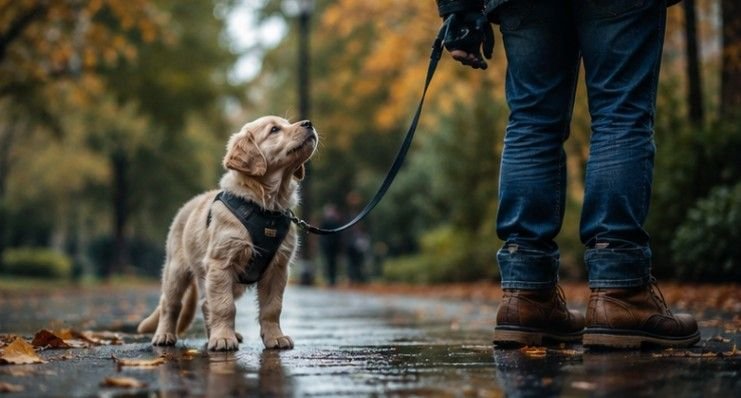
    How to Safely Transition Your Puppy Outdoors

    Introducing your pet to the outdoors gradually prevents sensory overload and keeps training sessions fun. Simple preparation turns everyday walks into wonderful bonding moments.

    First, fit your puppy with a light harness inside your home so they adjust to the feeling. Let them walk around the living room while dragging a short leash under your direct supervision.

    Second, begin outdoor training in your private backyard using delicious treats to encourage focus. Reward your puppy whenever they pay attention to you despite outdoor distractions like chirping birds.

    Third, venture onto quiet public sidewalks once your veterinarian clears your puppy after their final booster. Keep initial public walks short, positive, and focused on confidence building.

    Frequently Asked Questions

    1. Can I take my 8 week old puppy on a walk outside?

    No, you should avoid public walks at 8 weeks because your puppy lacks full vaccine protection against serious diseases. Stick to your private backyard for short potty breaks and fresh air.

    2. What is the 7 7 7 rule for puppies?

    The 7-7-7 rule encourages introducing your puppy to 7 different surfaces, 7 new sounds, and 7 friendly people by 7 weeks of age to foster great confidence and social skills.

    3. Can I let my 8 week old puppy in my backyard?

    Yes, your 8-week-old puppy can explore a private, enclosed backyard if no unvaccinated or unknown animals access the lawn. Always supervise your puppy closely during outdoor backyard sessions.

    4. Can my 12 week old puppy go outside?

    Your 12-week-old puppy can spend time in private yards and be carried through public areas. However, keep their paws off public ground until two weeks after their final core vaccines.

    Paws, Play, and Beyond with Your Puppy

    Mastering what age can puppies go outside safely gives your growing fur-baby the perfect head start in life. Combining safe backyard potty practice with carried public outings builds incredible confidence without risking your pup’s physical health. Stay consistent with your veterinarian’s recommended vaccine schedule, enjoy every small milestone together, and look forward to a lifetime of happy outdoor adventures with your best friend!
  • How to Train a Rescue Dog With Trust Issues

    How to Train a Rescue Dog With Trust Issues

    Bringing home a nervous rescue can feel joyful and overwhelming. I once expected affection to grow quickly, but I learned that trust develops only when a dog feels safe and free from pressure. Learning how to train a rescue dog with trust issues begins before formal obedience.

    Why Rescue Dogs May Struggle to Trust

    Fear does not automatically prove past abuse. Genetics, poor socialisation, pain, repeated moves, shelter stress, harsh handling, or unfamiliar surroundings can affect behaviour. 

    Hiding, freezing, barking, pacing, growling, guarding, and refusing food are communication, not stubbornness. Punishment may hide warning signs without changing the fear.

    Start With Safety, Not Commands

    Create a Quiet Retreat

    Provide a bed, crate, or calm corner away from busy doors, children, visitors, and loud appliances. Never drag the dog from this space. A dependable retreat gives the dog control.

    Build a Predictable Routine

    Feed, walk, rest, and train at consistent times. Keep the first days quiet and limit visitors. Use the 3-3-3 rule only as a flexible guide.

    Check Whether Your Dog Can Learn

    Before training, look for a loose body, normal breathing, interest in food, sniffing, and the ability to look away from a trigger. These signs suggest the dog can learn.

    A tucked tail, frozen posture, trembling, lunging, star gazing in a dog, or refusal of treats means the exercise is too difficult. Increase distance, reduce noise, shorten the session, or move somewhere quieter. A dog that will not eat may need safety, not a better treat.

    Nine Trust-Building Training Steps

    Nine Trust-Building Training Steps

    1. Let the Dog Approach

    Turn slightly sideways, soften your gaze, and avoid leaning over the dog. Toss a treat nearby instead of reaching toward its face. Voluntary approaches preserve choice.

    2. Discover the Best Reward

    Rewards may include food, toys, sniffing, praise, distance, or access to a safe place. Use what the dog values.

    3. Add a Calm Marker

    Choose a word such as “yes.” Say it when the dog performs the desired behaviour, then reward. This identifies the action that earned the result.

    4. Begin With Easy Wins

    Start with name recognition, hand targeting, eye contact, or one-step luring. These simple skills can also help stop dog from jumping on guests by redirecting attention toward calm, controlled behavior. Keep sessions under five minutes and finish comfortably.

    5. Reward Voluntary Check-Ins

    Reward the dog for looking toward you without being called. These check-ins create a habit of seeking guidance around distractions.

    6. Practise Consent-Based Touch

    Pet the chest or shoulder for three seconds, then pause. Continue only if the dog moves closer or stays relaxed. Stop if it turns away, freezes, lip-licks, or leaves.

    7. Introduce Triggers Gradually

    Present a mild version of a feared sight or sound from a comfortable distance and pair it with something pleasant. Move closer only while the dog remains relaxed.

    8. Socialise Without Overwhelming

    Let the dog calmly observe selected people, animals, surfaces, sounds, and environments. One controlled positive experience is better than several chaotic encounters.

    9. End on Success

    Finish after an easy response and allow the dog to rest. Frequent short sessions protect confidence, while long sessions may create frustration.

    A Simple First-Week Plan

    During days one and two, focus on decompression, meals, toilet breaks, quiet walks, and sleep. On days three and four, toss treats, say the dog’s name once, and reward calm attention. During days five through seven, add a marker word, hand targeting, and confidence games.

    Repeat an earlier stage whenever the dog appears worried.

    Signs Trust Is Growing

    Signs Trust Is Growing

    The dog may eat near you, sleep more deeply, enter voluntarily, initiate play, sniff during walks, or recover faster after sudden sounds. A loose body and regular check-ins also show progress. Track changes carefully from week to week.

    Mistakes That Can Damage Trust

    Avoid shouting, leash corrections, forced greetings, cornering, staring, and taking objects by force. Do not overwhelm the dog with visitors or expect cuddling as proof of gratitude.

    Never punish a growl. It gives you time to create distance. Suppressing the warning without resolving the fear can make future behaviour less predictable.

    When Professional Help Is Necessary

    Arrange a veterinary examination if behaviour changes suddenly, because pain or illness can cause fear or aggression. Seek qualified help if the dog bite infection, injures itself, cannot eat, panics when left alone, guards intensely, or makes little progress.

    Choose a reward-based trainer. Severe cases may require a veterinary behaviourist.

    Frequently Asked Questions

    1. How Long Does a Rescue Dog Take to Trust an Owner?

    There is no fixed timeline. Temperament, health, environment, and daily experiences matter most.

    2. Should I Ignore a Frightened Rescue Dog?

    Give the dog space without withdrawing care. Move calmly, follow a routine, and let interaction develop without pressure.

    3. What Is the Best Way to Learn How to Train a Rescue Dog With Trust Issues?

    Begin with safety, predictable routines, short reward-based sessions, voluntary interaction, gradual exposure, and professional guidance when fear or aggression creates risk.

    4. Can an Older Rescue Dog Learn to Trust?

    Yes. Adult and senior dogs can form secure relationships and learn new behaviours, although their pace should guide the plan.

    A Safer Bond Starts With Small Choices

    I have found that the biggest shift comes when I stop asking, “Why will this dog not obey?” and start asking, “What would help this dog feel safe enough to respond?” Trust grows through calm rewards and permission to step away.

    Stay patient and notice small victories. Obedience may be visible, but emotional safety makes lasting learning possible.

  • How to Stop a Dog From Jumping on Guests Without Shouting

    How to Stop a Dog From Jumping on Guests Without Shouting

    I know how embarrassing it can feel when I open the door and my dog immediately launches toward a visitor. Even when the jumping is friendly, guests may feel nervous, lose their balance or arrive with muddy paw prints on their clothes. Learning how to stop a dog from jumping on guests is not about punishing excitement. It is about showing the dog that calm behavior is the only reliable way to receive attention.

    The most effective approach combines preparation, consistent visitor rules and rewards for keeping all four paws on the floor. With regular practice, an uncontrolled doorway greeting can become a calm routine that both the dog and visitors understand.

    Why Dogs Jump on Visitors

    Dogs frequently jump because the behavior has worked before. A dog jumps, the person talks, pushes them away, makes eye contact or touches them. Although the reaction may be negative, it still gives the dog attention.

    Excitement also plays an important role. The sound of a doorbell, approaching footsteps or an opening door can signal that something interesting is about to happen. Dogs that have not learned another greeting behavior may respond by rushing forward and jumping.

    Some dogs jump because they naturally attempt to reach a person’s face. Others may be overstimulated, anxious or unsure about visitors. Understanding the reason helps owners choose the right response instead of treating every jump as deliberate disobedience.

    Prepare Before the Visitor Arrives

    Training is much easier when the dog cannot repeatedly practise the unwanted behavior. Before opening the door, attach a leash or place the dog behind a baby gate. Keep small, high-value treats nearby and prepare a mat or bed several feet away from the entrance.

    A short walk, play session or scent-based activity before visitors arrive may reduce excess energy. However, exercise alone will not solve the problem. The dog must still learn what to do when someone enters.

    Ask visitors to cooperate before they come inside. They should avoid speaking to, touching or making eye contact with the dog while the dog is jumping. Attention should begin only after the dog becomes calm.

    Use a Step-by-Step Doorway Routine

    Use a Step-by-Step Doorway Routine

    Prevent the First Jump

    Keep the dog on a leash at a comfortable distance from the doorway. The leash should prevent contact without becoming tight, as excessive restraint can contribute to barrier frustration in dog behavior.

    Ask the visitor to enter quietly and stand still. If the dog tries to jump, move farther away or guide the dog back without shouting, jerking the leash, or pushing the dog.

    Reward Four Paws on the Floor

    The moment all four paws remain on the ground, mark the behavior with a calm word such as “yes” and provide a treat. Rewards should be delivered low, near the dog’s nose or toward the floor. Holding food too high can encourage the dog to lift upward again.

    Repeat this several times before allowing the visitor to greet the dog.

    Allow a Controlled Greeting

    When the dog is calm, invite the visitor to offer brief attention. The visitor can gently stroke the dog’s chest or side rather than leaning over the head.

    If the dog jumps, attention must stop immediately. The visitor should stand upright, fold their arms and look away. Once four paws return to the floor, the greeting may resume.

    This teaches a simple pattern: calm behavior makes people approach, while jumping makes attention disappear.

    Teach an Alternative Greeting Behavior

    A sit can be helpful because a sitting dog cannot jump at the same time. Practise the cue in quiet rooms before expecting the dog to respond near an exciting visitor.

    Some dogs become too excited to hold a sit. For them, rewarding four paws on the floor may be more realistic. Another useful option is teaching the dog to go to a designated mat when the doorbell rings.

    Begin mat training without visitors. Reward the dog for looking at the mat, stepping onto it and eventually remaining there. Gradually add distance, door sounds and a familiar helper entering the home.

    A dog can also be taught to collect a toy before greeting. Carrying an object may redirect excitement and give the dog a predictable arrival task.

    Give Guests Clear Instructions

    Visitors often unintentionally weaken training by encouraging jumping. Some pat their chest, speak excitedly or say that they do not mind. However, occasional permission makes the rule confusing.

    Use a straightforward guest instruction: “Please ignore the dog until all four paws are down. Then you can calmly say hello.”

    Children, elderly visitors and anyone who feels nervous should not participate in early training sessions. Keep the dog behind a secure barrier until the greeting is reliably controlled.

    Try a Seven-Day Practice Plan

    Try a Seven-Day Practice Plan

    On the first two days, practise calm leash greetings with a household member. The person should step outside, knock and re-enter several times. On days three and four, use a familiar helper. Keep sessions short and repeat only a few successful greetings.

    On day five, practise the mat or place cue while the helper opens and closes the door. On day six, add realistic distractions such as a doorbell sound, a coat, a bag or more enthusiastic movement. 

    On day seven, combine the entire routine. The dog waits, the visitor enters, calm behavior is rewarded and a controlled greeting follows. Progress depends on repetition, not speed. If the dog becomes increasingly excited, make the exercise easier rather than continuing until the dog fails.

    Avoid Common Training Mistakes

    Do not knee the dog in the chest, step on the paws or hold the front legs. These methods can cause pain, fear or defensive behavior.

    Pushing the dog away may also feel like play. Repeating “down” while touching the dog can provide the attention the dog wanted. Following beginner leash training tips that reward calm behavior instead of reacting to jumping can help your dog learn better self-control.

    Another mistake is rewarding too late. If the treat appears after the dog has jumped again, the dog may associate the reward with the wrong action. Timing must be immediate and consistent.

    Family members must follow the same rule. Allowing jumping during some greetings but correcting it during others slows progress.

    Frequently Asked Questions

    1. How do I stop my dog from jumping on people at the door?

    Use a leash or gate, reward four paws on the floor and ask visitors to remove attention whenever jumping occurs.

    2. How long does greeting training take?

    Some dogs improve within several sessions, while highly excitable dogs may require weeks of consistent practice in different situations.

    3. Should visitors turn their backs when my dog jumps?

    Turning away can help, provided the visitor remains calm and the dog is not likely to scratch, mouth or knock them over.

    4. What is the best method for how to stop a dog from jumping on guests?

    Prevent access to the visitor, reward calm behavior immediately and allow attention only while the dog’s paws remain on the floor.

    5. When should I contact a professional trainer?

    Seek qualified help if the dog growls, lunges, snaps, guards the entrance, becomes panicked or is too strong to manage safely.

    A Calmer Welcome Starts With Consistency

    I would not expect my dog to understand polite greetings without teaching and practising them. The doorway is an exciting environment, so management is just as important as training.

    When I prevent jumping, reward calm choices and ask every visitor to follow the same rules, the dog receives a clear message. Jumping no longer opens the door to attention. Calm behavior does. That consistency creates safer arrivals, more relaxed visitors and a dog that knows exactly how to earn a friendly welcome.

  • Beginner Leash Training Tips for Dogs That Build Better Walks

    Beginner Leash Training Tips for Dogs That Build Better Walks

    When I first worked on leash manners, I thought success simply meant stopping a dog from pulling. I soon learned that calm walking depends on communication, reward timing, confidence, and consistency. These beginner leash training tips for dogs can help puppies, adopted adults, and dogs with frustrating walking habits.

    The goal is not a competition-style heel. A good everyday walk means the leash stays mostly loose, the dog checks in with you, and both of you move safely.

    Understand Loose-Leash Walking

    A loose leash forms a soft curve instead of remaining tight. Your dog may walk beside you, slightly ahead, or pause to sniff without dragging you. Everyday leash training allows freedom while still rewarding calm behavior and attention.

    This is different from formal heeling, which requires a dog to remain in a precise position. For normal walks, focus on safety, responsiveness, and a relaxed leash.

    Choose Comfortable Walking Equipment

    Start with a standard fixed-length leash. Retractable leashes can make early training harder because pulling often gives the dog more distance.

    A flat collar may suit a calm dog, while a well-fitted harness can provide better control and reduce neck pressure. A dog harness may redirect a strong puller, but no piece of equipment replaces consistent training.

    Check that everything is secure without restricting movement or breathing. Uncomfortable equipment can make a dog freeze, scratch, resist walking, or associate the leash with stress.

    Begin Training Indoors

    Begin Training Indoors

    Introduce the Leash Positively

    Let your dog inspect the leash, collar, or harness. Pair each item with treats, praise, play, or meals. Put the equipment on briefly, remove it, and repeat.

    If your dog freezes, bites the leash, scratches continuously, or tries to escape, slow down. The equipment may simply feel unfamiliar.

    Reward Attention and Proximity

    Begin in a quiet room with few distractions. Reward your dog for looking at you, standing nearby, and following one or two steps.

    Use a marker word such as “yes” when the correct behavior happens. Deliver the treat beside your leg rather than reaching forward. Treat placement teaches your dog that remaining near you is rewarding.

    Build a Simple Walking Pattern

    Choose a walking cue such as “let’s go.” Take two or three steps, mark the loose leash, and reward beside your leg. Gradually increase the number of steps between rewards.

    Keep early sessions between three and five minutes. Brief, successful practice is more useful than a long walk filled with pulling and frustration.

    Stop while your dog is still focused. Ending on a successful repetition helps make the next session easier.

    Stop Pulling Without Harsh Corrections

    When the leash tightens, stop moving. Avoid dragging your dog backward, shouting, or repeatedly jerking the leash.

    Wait for your dog to turn, step toward you, or release the tension. Mark that moment, reward beside you, and start walking again. This creates a clear rule: pulling stops progress, while a loose leash keeps the walk moving.

    You can also make a calm turn before the leash becomes fully tight. Direction changes encourage your dog to notice where you are going instead of charging toward every distraction.

    Everyone who walks the dog should follow the same rule. Allowing pulling occasionally can make the habit much harder to change.

    Add Outdoor Distractions Gradually

    Add Outdoor Distractions Gradually

    Progress from a quiet room to a yard, driveway, calm sidewalk, and eventually busier places. Do not move directly from indoor practice to a crowded park.

    Increase only one challenge at a time. You might practice for fewer minutes in a harder environment or remain somewhere familiar while asking for more loose-leash steps.

    If your dog ignores treats outdoors, move farther away from people, dogs, traffic, or exciting smells. A dog that cannot eat, respond, or look at you may be too overwhelmed to learn effectively.

    Use Sniffing as a Reward

    Many dogs value sniffing as much as food. Ask for several relaxed steps and then use a release cue such as “go sniff.”

    This creates a useful pattern in which calm walking earns access to interesting smells. Planned sniff breaks also make walks more enjoyable and reduce random zigzagging.

    A training walk should not prevent your dog from exploring. It should teach your dog how to earn that freedom without pulling.

    Follow a Seven-Day Starter Plan

    Days One and Two

    Practice wearing the equipment and following you indoors as you train a dog to walk without pulling. Reward every few steps and finish while your dog remains interested.

    Days Three and Four

    Move to a quiet outdoor space. Practice short straight lines, gentle turns, and stopping whenever the leash tightens.

    Days Five and Six

    Add mild distractions from a comfortable distance. Reward voluntary check-ins and use sniffing as a planned reward.

    Day Seven

    Try a short neighborhood session. Measure success by calm steps rather than distance. Five controlled minutes can be more productive than a stressful thirty-minute walk.

    Solve Common Beginner Problems

    Solve-Common-Beginner-Problems

    Your Dog Refuses to Walk

    Do not pull the dog forward. Encourage one small step with a treat, cheerful voice, or movement away from the dog. Check for fear, fatigue, hot asphalt in dogs, uncomfortable equipment, or possible pain.

    Your Puppy Bites the Leash

    Keep the leash still so it does not become a tug toy. Redirect the puppy with a treat, toy, or familiar cue, then reward calm walking before the biting restarts.

    Your Dog Pulls Toward People or Dogs

    Create distance before excitement becomes unmanageable. Reward attention while the person or dog remains far enough away. Avoid forced greetings during training sessions.

    Training Works Indoors but Fails Outside

    Choose a quieter location, use higher-value treats, and reward more frequently. Indoor success does not automatically transfer to distracting outdoor environments.

    Frequently Asked Questions

    1. How long do beginner leash training tips for dogs take to work?

    Some dogs improve within several sessions, while others need several weeks. Age, previous habits, confidence, environmental distractions, and training consistency all influence progress.

    2. Can an adult rescue dog learn loose-leash walking?

    Yes. Adult dogs can learn new walking habits. Fearful, reactive, or experienced pullers may need slower progression, greater distance from triggers, and professional support.

    3. Should leash training happen before or after exercise?

    A short training session may be easier after your dog has released some energy. However, avoid exhausting your dog before asking for focus and self-control.

    4. When should I seek professional help?

    Contact a qualified reward-based trainer, behavior consultant, or veterinarian if your dog lunges, panics, redirects aggression, cannot recover around triggers, or appears to experience pain.

    The Walk Ahead

    I have learned to measure leash-training progress through small wins rather than distance. A few relaxed steps, a voluntary check-in, or one calm response to a distraction can show that meaningful learning is happening.

    Clear rules, brief sessions, well-timed rewards, and realistic expectations create lasting improvement. With patience and consistency, daily walks can become safer, calmer, and more enjoyable for both ends of the leash.

  • How to Teach a Dog to Stay Home Alone Without Stress

    How to Teach a Dog to Stay Home Alone Without Stress

    When I help a dog adjust to time alone, I never begin by leaving for an hour and hoping everything works out. Independence is a skill that must be taught gradually.

    Learning how to teach a dog to stay home alone means creating short, positive separations before barking, pacing, destruction, or fear becomes a pattern. Each session should finish while the dog is still comfortable.

    Why Dogs Struggle With Being Left Alone

    Dogs are social animals, so many prefer staying near their people. Puppies may find separation unfamiliar, while adopted or adult dogs can struggle after a move, illness, schedule change, or long period of constant companionship.

    Briefly watching the door is normal. Continuous barking, panting, drooling, scratching exits, refusing food, or trying to escape can signal serious distress. Dogs showing panic or risking injury need help from a veterinarian or qualified behavior professional.

    Prepare Your Dog and Home

    Meet Physical Needs

    Provide an age-appropriate walk, bathroom break, and fresh water before training. Reduce restlessness without exhausting the dog. Puppies, seniors, and dogs with health conditions need more frequent breaks.

    Create a Safe Resting Area

    Choose a quiet, hazard-free space with a bed, water, and room to move. It may be a gated room, puppy pen, open crate, or familiar living area.

    Use a closed crate only when your dog already rests there willingly. Confinement can worsen distress in dogs that bite bars, scratch frantically, or try to escape. The right setup is one in which your dog genuinely relaxes.

    Set Up a Camera

    A camera reveals hidden behavior such as pacing, whining, panting, trembling, or abandoning a food toy. The footage shows whether to progress, repeat the duration, or make the next session easier.

    Build Independence While You Are Home

    Build Independence While You Are Home

    Reward your dog for relaxing on a bed or mat away from you. Move around and quietly give a treat whenever the dog stays settled.

    Next, step behind a baby gate or into another room for one or two seconds. Return before worry appears, then practise during normal activities such as cooking or working. Calm independence should become part of daily life.

    Practise Very Short Departures

    Pick up your keys, put on your shoes, open the door, step outside, and return after a few seconds. Keep your movements casual. Repeating these actions without a long absence reduces sensitivity to departure cues.

    Increase time in small, irregular steps: five seconds, ten, eight, fifteen, and then twenty. Moving up and down prevents every repetition from becoming harder. Return while your dog is calm. Letting a frightened dog “cry it out” can strengthen fear instead of teaching independence.

    Follow Behavior, Not a Calendar

    Use a simple traffic-light guide. Green behavior includes eating, sniffing, lying down, or calmly changing positions. Increase the next absence slightly.

    Yellow behavior includes repeatedly watching the exit, pausing a food toy, mild pacing, or one short whine. Repeat or shorten the duration. Red behavior includes nonstop barking, trembling, escape attempts, heavy panting, or refusing high-value food. End the exercise and return to an easier stage next time.

    Create Positive Departure Routines

    Create Positive Departure Routines

    Offer a stuffed food toy, lick mat, or safe chew reserved for training. Remove choking hazards. If your dog normally loves the item but ignores it after you leave, the session may be too difficult.

    Keep departures and reunions calm. Dramatic goodbyes can make leaving feel worrying, while excited greetings may increase the contrast between presence and absence.

    Background music may comfort dogs accustomed to household noise, but it cannot treat separation anxiety. It should support gradual training, not replace it.

    Manage Unavoidable Long Absences

    Training sessions and necessary absences should be handled separately. If your dog currently remains relaxed for twenty minutes, arrange a walker, sitter, trusted friend, or suitable daycare instead of testing an entire workday.

    There is no single safe duration for every dog. Age, health, bladder control, temperament, and training history matter. Puppies and anxious dogs usually need shorter periods and extra support.

    Frequently Asked Questions

    1. How long does training take?

    Some dogs improve within weeks, while others need months. Progress depends on history, sensitivity, consistency, and whether sessions stay below the stress threshold.

    2. Should I ignore my dog before leaving?

    No. Use a calm, ordinary goodbye without emotional speeches or repeated reassurance.

    3. What is the best method for how to teach a dog to stay home alone?

    Begin with separation inside the home, practise departures lasting seconds, use a camera, and increase time only when the dog remains relaxed. Seek professional guidance for panic, escape attempts, or self-injury.

    4. Will Getting Another Dog Solve the Problem?

    Usually not. Distress is often connected to a particular person leaving, so another dog may not resolve it. A second pet also creates new care and compatibility needs.

    Final Thoughts

    I believe calm behavior matters more than reaching a particular number of minutes. Successful alone-time training is built through patience, observation, and easy repetitions. Short sessions that preserve confidence are more valuable than one long, frightening absence. 

    By preparing the environment, respecting body-language signals, progressing gradually, and seeking expert support when needed, I can help a dog develop a safer and more comfortable relationship with time alone.

  • How to Train a Dog to Walk Without Pulling Fast

    How to Train a Dog to Walk Without Pulling Fast

    I once assumed leash pulling meant a dog was stubborn. In most cases, the dog is simply moving toward something rewarding and has never learned what a loose leash should feel like. 

    Once I understood that, walks became less frustrating. The clearest way to learn how to train a dog to walk without pulling is to reward calm movement beside you while making tight-leash walking unsuccessful.

    Why Dogs Pull on the Leash

    Dogs naturally walk faster than people and explore through scent. Pulling helps them reach trees, people, dogs, or interesting smells. Each time the handler follows, the dog learns that tension creates progress.

    Excitement, anxiety, excess energy, or unfamiliar leash pressure may also contribute. Understanding the cause helps you choose the right training environment and reward.

    What You Need Before Training

    A Fixed-Length Leash

    A standard leash gives predictable control and makes tension easy to notice. Retractable leashes can encourage pulling because dogs learn to move forward against pressure.

    Comfortable Equipment

    Use a properly fitted collar or harness that does not restrict breathing or movement. A front-clip harness may help manage a strong dog, but equipment should support training rather than replace it. Avoid tools that rely on pain or fear.

    High-Value Rewards

    Choose small treats your dog can eat quickly. Regular food may work indoors, while chicken, cheese, or another favourite reward may be needed outside. Praise and permission to sniff can also reinforce good walking.

    Step-by-Step Loose-Leash Training

    Step-by-Step Loose-Leash Training

    1. Begin Indoors

    Start in a quiet room. Reward your dog for looking at you, moving toward your side, or standing calmly near your leg. This builds attention before distractions are added.

    2. Reward the Correct Position

    Choose which side you want your dog to walk on. Take one or two steps and reward beside your leg while the leash remains loose. Feeding too far ahead may encourage rushing.

    Reward frequently at first, then gradually increase the number of steps.

    3. Add a Walking Cue

    Use a consistent phrase such as “let’s go” immediately before moving. The cue should predict calm forward movement.

    4. Stop When the Leash Tightens

    The moment your dog reaches the end of the leash, stop. Do not pull backward or keep walking. Wait for the dog to turn, step back, or loosen the leash.

    Mark the response with praise or a click, reward beside your leg, and continue. A loose leash creates progress, while pulling makes progress pause.

    5. Change Direction Early

    If your dog becomes focused on something ahead, turn smoothly before the leash becomes tight. Reward the dog for following. Direction changes improve attention and prevent pulling from becoming a repeated habit.

    6. Use Sniffing as a Reward

    Ask for several calm steps, then release your dog with a phrase such as “go sniff.” This gives the walk structure while still meeting the dog’s natural need to explore.

    Sniffing can be as rewarding as food for many dogs. Using it strategically helps your dog understand that calm walking provides access to interesting places.

    7. Add Distractions Slowly

    Move from indoors to a garden, quiet path, and busier location only after your dog succeeds at each stage. If the dog cannot respond near another animal, person, or bicycle, create more distance.

    Training too close to a distraction can make learning almost impossible. Begin where your dog can still look at you, accept treats, and respond to familiar cues.

    A Five-Minute Loose-Leash Training Routine

    A Five-Minute Loose-Leash Training Routine

    Spend the first minute rewarding eye contact and voluntary check-ins. Use the next two minutes for short sections of loose-leash walking with frequent rewards.

    Spend the fourth minute changing direction before tension develops. Finish with one minute of relaxed sniffing as a reward for calm behaviour.

    Short, successful sessions are often more useful than a long walk filled with pulling. This routine can be completed before a normal walk or practised separately in a quiet location.

    Common Mistakes That Encourage Pulling

    Inconsistent rules cause confusion. If pulling works when you are busy but not during training, the dog receives mixed information. Everyone who walks the dog should follow the same basic approach.

    Other mistakes include rewarding too late, choosing an area that is too distracting, and using food that is not valuable enough. Rewards should appear while the dog is in the desired position rather than after the dog has already moved ahead.

    Avoid expecting a strict heel for the entire walk. Loose-leash walking should allow comfortable movement, sniffing, and exploration without constant tension.

    Handling Dogs, People, and Wildlife

    Stay far enough from distractions for your dog to remain calm and accept rewards. Reinforce looking at the trigger and then checking back with you. This teaches the dog to notice exciting things without immediately pulling toward them. The same gradual, reward-based approach can also help you teach a dog to stay home alone without creating unnecessary stress.

    If the dog lunges, barks, freezes, or ignores treats, move farther away instead of forcing a close encounter. Increasing distance can restore focus and prevent the dog from becoming overwhelmed.

    For squirrels or other wildlife, turn before the chase begins and reward the dog for following. Early action is usually more effective than trying to regain attention after the dog has reached full excitement.

    How Long Does Training Take?

    How Long Does Training Take

    Some dogs improve within a few quiet sessions, but reliable walking around distractions can take weeks or months. Age, energy level, previous habits, environment, and consistency all affect progress.

    Look for smaller signs of success, including faster check-ins, fewer tight-leash moments, and quicker recovery after distractions. These improvements show that your dog is learning even before the behaviour becomes completely dependable.

    When to Seek Professional Help

    Seek professional support when a dog is strong enough to cause injury, reacts aggressively, chases vehicles, shows intense fear, or cannot recover around normal triggers.

    A qualified reward-based trainer or veterinary behaviour professional can identify the cause and develop a safer plan. Sudden changes in walking behaviour should also be discussed with a veterinarian because pain or illness may affect movement and reactions.

    Frequently Asked Questions

    1. What is the fastest way to reduce leash pulling?

    Begin in a quiet place, reward beside your leg every few steps, and stop whenever the leash tightens. Short daily sessions usually create better results than occasional long sessions.

    2. Should I use a harness for a dog that pulls?

    A well-fitted harness can improve comfort and control, especially for a strong dog. However, it should still be combined with consistent reward-based training.

    3. Can an older dog learn loose-leash walking?

    Yes. Older dogs can learn new walking habits, although a long history of pulling may require additional repetition and patience.

    4. How often should I practise how to train a dog to walk without pulling?

    Practise for five to ten minutes once or twice daily, or include short training sections within regular walks. Finish while your dog is still focused and successful.

    Final Thoughts

    I have found that calm walking improves fastest when I stop treating the leash as a contest of strength. I reward attention, pause when tension appears, and increase distractions only when the dog is ready.

    Progress may not always be steady, especially in unfamiliar places. However, short sessions, precise rewards, and regular opportunities to sniff can create dependable habits. With patience and consistency, everyday walks can become safer, calmer, and more enjoyable for both the dog and the person holding the leash.

  • Portuguese Water Dog Temperament and Personality Guide

    Portuguese Water Dog Temperament and Personality Guide

    A Portuguese Water Dog can be affectionate enough to follow you from room to room and clever enough to outthink your training plan. That combination makes the Portuguese Water Dog temperament and personality appealing, but it also creates challenges for an unprepared owner.

    When I assess this breed, I do not see a low-maintenance companion. I see an athletic working dog that needs movement, mental challenges, clear boundaries, and close family contact. The right household gets a loyal, funny, responsive partner. The wrong household may get barking, chewing, jumping, and constant demands for attention.

    What Is a Portuguese Water Dog Really Like?

    The typical Portuguese Water Dog is bright, lively, affectionate, confident, and eager to participate. These dogs rarely want to watch family life from a distant bed. They prefer to become part of every activity.

    The breed’s original work helps explain this attitude. Portuguese Water Dogs assisted fishing crews by retrieving objects, carrying messages between boats, moving fishing floats, and guarding equipment. Those jobs demanded athletic ability, initiative, and cooperation with people.

    That history still shapes the modern Portuguese Water Dog temperament and personality. The dog may no longer work beside fishermen, but it still expects physical activity and purposeful interaction.

    The Core Portuguese Water Dog Personality Traits

    The Core Portuguese Water Dog Personality Traits

    Affectionate and Closely Attached to Family

    Portuguese Water Dogs usually form strong connections with their people. Many follow family members around the home, seek physical contact, and become involved in daily routines.

    This devotion feels wonderful, but it can become excessive dependence. A puppy that receives constant attention may struggle when left alone. I would teach short, calm periods of independence from the beginning rather than waiting for separation problems to appear.

    Owners who work long hours away from home should plan for exercise, enrichment, and reliable daytime care. This breed generally does poorly when repeatedly isolated without an outlet.

    Intelligent, Trainable, and Sometimes Too Clever

    Intelligence is one of the most recognizable Portuguese Water Dog personality traits. These dogs can learn cues quickly, notice patterns, and anticipate what an owner will do next.

    Fast learning does not guarantee automatic obedience. A Portie may understand a command and still test whether following it is worthwhile. Repetitive drills can also cause boredom.

    The Portuguese Water Dog Club of America warns that these intelligent dogs learn unwanted behavior as quickly as desirable behavior. The club recommends early training and puppy classes that combine manners, basic cues, and socialization.

    I would keep sessions short and varied. A five-minute exercise involving recall, impulse control, and retrieving can achieve more than a long session of repeated sits.

    Energetic, Athletic, and Ready to Work

    High energy sits at the center of the Portuguese Water Dog temperament and personality. The American Kennel Club describes the breed as athletic and active, with a need for vigorous daily exercise.

    A casual walk around the block may not satisfy a healthy young adult. These dogs often enjoy swimming, hiking, retrieving, agility, scent games, obedience work, and structured play.

    Exercise should involve more than frantic movement. Endless ball throwing can create a fitter dog that remains mentally restless. I prefer a balanced routine that combines aerobic activity, sniffing, training, and calm recovery.

    Swimming can be an excellent outlet, but owners should introduce water safely. Not every individual automatically feels confident in every pool, lake, or ocean setting.

    Playful, Mouthy, and Highly Communicative

    Porties often use their mouths to investigate, carry toys, or initiate interaction. This tendency reflects their retrieving history, but it can become uncomfortable when an excited adolescent grabs hands, sleeves, or household items.

    They can also be expressive. Some bark, grumble, whine, or make amusing muttering sounds. Vocal behavior does not always signal aggression. Owners should read the dog’s full body language and the situation.

    I would redirect inappropriate mouthing toward a toy, reward four paws on the floor, and teach “drop,” “leave it,” and “settle” early. Punishment may stop a behavior momentarily without teaching the dog what to do instead.

    Are Portuguese Water Dogs Good Family Dogs?

    Are Portuguese Water Dogs Good Family Dogs?

    The Portuguese Water Dog temperament and personality can work beautifully in an active family. However, “family-friendly” does not mean suitable for every family.

    Behavior Around Children

    A well-socialized Portie can become an affectionate and enthusiastic playmate for respectful children. The dog’s stamina may suit families that enjoy outdoor adventures and interactive games.

    Young Portuguese Water Dogs can be bouncy. They may jump or collide with a small child during play. The breed club suggests that active homes with well-behaved children over roughly five to seven years old can be a good fit, although individual dogs and children differ.

    Adults should supervise every interaction. Children must learn not to climb on the dog, disturb meals, or chase a dog that is trying to leave.

    Compatibility With Dogs and Cats

    Many Portuguese Water Dogs live peacefully with other dogs and cats, particularly when introduced carefully and socialized early. Another playful dog may even provide companionship and an appropriate outlet for social play.

    Compatibility still depends on personality, age, training, and the resident pet. I would use gates, leashes, separate feeding areas, and gradual introductions rather than expecting instant friendship.

    Reactions to Strangers

    Most Porties are alert and may bark when someone approaches. This trait can make them effective announcers, but they are not typically valued as aggressive guard dogs.

    A properly socialized dog may remain watchful at first and then greet a visitor enthusiastically. Early exposure to different people, sounds, surfaces, and environments can help prevent suspicion or uncontrolled excitement.

    Common Portuguese Water Dog Behavior Problems

    Most unwanted behaviors come from unmet needs rather than a fundamentally bad Portuguese Water Dog temperament and personality. Common problems include destructive chewing, digging, jumping, attention barking, stealing objects, leash pulling, and ignoring recall around distractions.

    The first question I would ask is not, “How do I stop this?” It is, “What is the dog gaining from it?”

    A bored dog may steal a sock because it triggers a chase. A lonely dog may bark because barking brings attention. A restless dog may dig because the yard offers no structured activity. Management must remove the reward while training provides a better option.

    How I Would Train and Manage This Breed

    How I Would Train and Manage This Breed

    Positive reinforcement suits this intelligent, people-focused breed. I would reward the behaviors I want before unwanted habits become established.

    My priorities would include recall, loose-leash walking, polite greetings, handling tolerance, impulse control, independence, and settling on a mat. I would also rotate food puzzles and training games rather than leaving every toy available all day.

    Consistency matters more than harshness. If jumping sometimes earns affection, the dog will keep trying it. Every family member should follow the same rules.

    A responsible breeder also matters. The PWDCA recommends looking for puppies raised in a household environment, exposed to normal sights and sounds, and born to a dam with a good temperament.

    My Body, Brain, and Bond Compatibility Test

    I use three questions to evaluate whether a household suits the Portuguese Water Dog temperament and personality:

    Body: Can the family provide meaningful daily physical activity?

    Brain: Will someone offer training, problem-solving games, or purposeful work?

    Bond: Can the dog receive regular companionship while also learning safe independence?

    A household does not need a swimming pool or a professional dog trainer. It does need time, consistency, and an active plan. Meeting only one of these three needs often produces an unbalanced dog.

    For example, running three miles may satisfy the body but leave the brain underused. Puzzle toys may exercise the brain but cannot replace movement. Constant companionship may strengthen the bond but create dependence unless the dog also practices being alone.

    Who Should Own a Portuguese Water Dog?

    This breed may suit an active owner who enjoys training and wants a highly involved companion. It can also thrive with families interested in swimming, hiking, obedience, agility, rally, or scent work.

    A Portie may be a poor choice for someone seeking a quiet, independent, sedentary dog. The breed club is direct about this mismatch. It states that people wanting minimal grooming, little exercise, limited mental stimulation, or a naturally passive dog should consider another breed.

    Prospective owners should also research grooming and health screening. The breed has curly or wavy coat varieties, and both require consistent maintenance. The Orthopedic Foundation for Animals maintains breed-specific screening guidance through its CHIC program.

    Frequently Asked Questions

    1. Are Portuguese Water Dogs calm in the house?

    They can settle indoors after enough exercise and mental work, but young or under-stimulated dogs may remain restless and demanding.

    2. Is a Portuguese Water Dog good for first-time owners?

    A committed first-time owner can succeed with professional training support, although the breed’s energy and cleverness create a steep learning curve.

    3. Can Portuguese Water Dogs be left alone?

    They can learn to stay alone for reasonable periods, but gradual independence training is essential because they often form strong family attachments.

    4. Does Portuguese Water Dog temperament and personality suit children?

    It often suits active families with respectful children, although supervision is needed because a young Portie may jump or play too forcefully.

    Sass, Splash, and the Final Verdict

    The Portuguese Water Dog temperament and personality offers intelligence, devotion, athleticism, humor, and an unmistakable desire to participate. Those same qualities demand more effort than many families expect.

    Before choosing one, test your household against the Body, Brain, and Bond framework. Plan one realistic weekday that includes exercise, training, grooming, rest, and alone time. If that schedule feels exciting rather than exhausting, this spirited water dog may be your ideal match.

  • West Siberian Laika Size and Breed Characteristics Guide

    West Siberian Laika Size and Breed Characteristics Guide

    The West Siberian Laika looks lean, alert, and ready to move before it takes a single step. When I examine the west siberian laika size and breed characteristics, I see a dog shaped by function rather than exaggerated appearance. Its strong frame, insulating coat, sharp senses, and independent nature all support demanding work in forests and severe weather.

    This Russian hunting breed falls between a medium and large dog. However, its athletic proportions often make it appear lighter and faster than other dogs of a similar height.

    West Siberian Laika Size at a Glance

    West Siberian Laika Size at a Glance

    Official breed standards emphasize clear differences between males and females. Males should look distinctly masculine, while females should retain a lighter, more feminine build.

    The Fédération Cynologique Internationale places male height at 55 to 62 centimeters. That converts to roughly 21.5 to 24.5 inches. Female height ranges from 51 to 58 centimeters, or about 20 to 23 inches. The United Kennel Club lists a similar range, placing males at 21 to 23.5 inches and females at 20.5 to 23 inches.

    Male Height and Weight

    An adult male usually stands about 21 to 24 inches at the shoulder. A typical healthy weight falls near 50 to 55 pounds, although working condition and body structure affect the number.

    A well-conditioned male should look powerful without appearing bulky. I would expect visible muscle through the shoulders and hindquarters, but not the heavy outline of a mastiff or livestock guardian.

    Female Height and Weight

    An adult female generally stands 20 to 23 inches tall and weighs approximately 40 to 50 pounds. Females usually appear slightly finer through the head, neck, and body.

    These measurements show why the west siberian laika size and breed characteristics suit endurance work. The dog has enough strength for difficult terrain without carrying unnecessary weight.

    Athletic Build and Body Proportions

    The West Siberian Laika has a strong, dry, and muscular body. “Dry” describes a firm working physique without loose skin, excessive fat, or heavy features.

    Its body is slightly longer than its height. The chest reaches close to the elbows, while the abdomen rises moderately toward the rear. A strong back and well-developed hindquarters help the dog accelerate, turn, and cross uneven ground.

    One useful way I assess this breed is through a function test. Each feature should help the dog travel, locate game, or cope with weather. A broad, heavy body would reduce speed. An overly fine body would reduce stamina. The correct Laika sits between those extremes.

    That balance is one of the most useful insights behind the west siberian laika size and breed characteristics. The breed was developed for practical performance, not merely for a wolf-like silhouette.

    Wolf-Like Head, Eyes, Ears, and Tail

    Wolf-Like Head, Eyes, Ears, and Tail

    The Laika’s head and expression create much of its distinctive appearance. However, these features also support hearing, scenting, communication, and environmental awareness.

    Head and Facial Expression

    The head is wedge-shaped when viewed from above. It narrows gradually toward a pointed muzzle without appearing weak or excessively sharp.

    Its almond-shaped eyes sit at a slight angle. Official standards favor brown or dark brown eyes, which create an attentive and intelligent expression. Amber shades may appear in some dogs, but very pale or blue eyes do not represent the preferred breed-standard appearance.

    The lips remain tight and clean. Strong jaws and a complete scissor bite reflect the breed’s hunting background.

    Ears and Curled Tail

    The ears are erect, high-set, mobile, and usually V-shaped. Their upright position helps the dog detect faint sounds while searching through dense woodland.

    The tail forms a tight curl over the back or hip. It carries thick hair and contributes to the classic northern spitz outline. A curled tail is not just decorative. Northern dogs can use a heavily furred tail to cover the nose and face while resting in cold conditions.

    These details make the west siberian laika size and breed characteristics easy to distinguish from those of heavier shepherds or streamlined sighthounds.

    West Siberian Laika Coat Colors and Texture

    West Siberian Laika Coat Colors and Texture

    The coat protects the dog from snow, moisture, wind, brush, and rapid changes in temperature. Owners should expect a natural working coat rather than a soft, flowing ornamental one.

    A Double Coat Built for Cold Weather

    The outer coat consists of harsh, straight guard hairs. Beneath it sits a dense, soft undercoat that provides insulation.

    Hair grows longer around the neck, shoulders, cheeks, and tail. This creates a modest ruff, particularly in males. The coat should stand away from the body rather than hanging flat.

    The FCI standard describes the breed as having a hard, straight outer coat with a well-developed undercoat. This texture explains why routine brushing matters, especially when the dog releases its seasonal undercoat.

    Frequent shaving can damage the coat’s protective function. I would manage shedding with brushing, bathing when necessary, and thorough drying instead.

    Accepted Colors and Markings

    Common colors include gray, red, fawn, reddish brown, and white. Dogs may also display combinations of these colors with patches.

    Wolf gray remains one of the breed’s most recognizable shades. Gray coats can range from pale silver to deep, dark gray. White markings may appear on the chest, legs, face, or body.

    Color attracts attention, but structure and movement matter more. A striking coat cannot compensate for weak proportions or poor working condition.

    Movement, Endurance, and Hunting Ability

    The West Siberian Laika should move freely and efficiently. Its normal working gait often alternates between a trot and a gallop, allowing it to cover large areas without wasting energy.

    Strong, compact feet support movement over rough ground. Flexible toes and firm pads help the dog manage woodland floors, snow, and uneven trails.

    This movement explains another practical point about west siberian laika size and breed characteristics: the breed is not designed for short bursts alone. Its moderate weight and balanced frame support sustained activity.

    A Laika may track, search, listen, and work independently at a distance from its handler. Therefore, physical endurance works alongside alertness and decision-making ability.

    Temperament Behind the Athletic Appearance

    The breed’s physical features cannot be separated from its behavior. This dog was developed to hunt with initiative, so blind obedience should not be expected.

    A West Siberian Laika often forms a deep attachment to one household. It can be affectionate, loyal, watchful, and calm indoors after receiving enough activity. However, it may remain reserved with unfamiliar people.

    Its prey drive can be intense. Small pets, wildlife, and unsecured outdoor areas may create problems. Secure fencing and carefully managed introductions are essential.

    Training should remain firm, calm, and fair. Harsh corrections can damage trust and increase resistance. For a fuller behavioral profile, read about west siberian laika temperament and personality before deciding whether this breed suits your experience.

    Is This Breed Suitable for an American Home?

    The west siberian laika size and breed characteristics suit active owners better than casual pet households. A large yard helps, but space alone does not meet the dog’s needs.

    This breed benefits from hiking, scent games, tracking activities, controlled running, and structured exploration. A short walk around the block will rarely satisfy a mature working Laika.

    Family suitability depends on much more than a dog’s height, weight, or available yard space. Dog ownwers comparing primitive breeds may also consider is a Carolina Dog a good family pet to see how socialization, independence, exercise needs, and household structure influence everyday compatibility.

    Warm climates require extra care because of the dense double coat. Exercise should take place during cooler hours, with constant access to shade and water. Air-conditioned indoor rest may be necessary during hot summers.

    Apartment ownership is possible only with exceptional daily commitment. The greater concerns are prey drive, independence, boredom, and escape behavior rather than body size alone.

    Before choosing a puppy, I would evaluate fencing, exercise time, training experience, climate, and nearby wildlife. Those factors matter as much as height or weight.

    Frequently Asked Questions

    1. How big does a West Siberian Laika get?

    Most adults stand 20 to 24 inches tall and weigh approximately 40 to 55 pounds, with males usually larger than females.

    2. Is a West Siberian Laika considered a large dog?

    It is generally described as a medium-to-large breed with a lean, athletic build rather than a heavy frame.

    3. What are the main West Siberian Laika size and breed characteristics?

    Key traits include an athletic body, wedge-shaped head, erect ears, curled tail, dense double coat, high endurance, and strong hunting instinct.

    4. Does a West Siberian Laika look like a wolf?

    Yes. Its gray coloring, pointed muzzle, erect ears, slanted eyes, and balanced proportions create a noticeably wolf-like appearance.

    Final Verdict: A Wolfish Look With a Working Heart

    After studying the west siberian laika size and breed characteristics, I would never choose this dog for appearance alone. The curled tail and wolf-gray coat may win attention, but the working instincts define the breed.

    This Laika needs movement, meaningful training, secure boundaries, and a respectful relationship. Measure your daily routine as carefully as you measure the dog. When its physical and mental needs are met, the breed can become a devoted, capable, and impressive companion.

  • Portuguese Water Dog Size and Appearance Explained

    Portuguese Water Dog Size and Appearance Explained

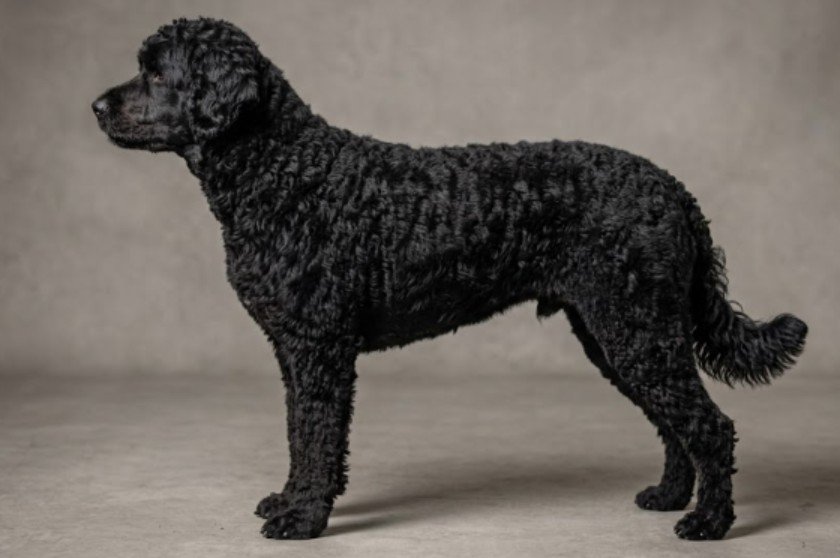
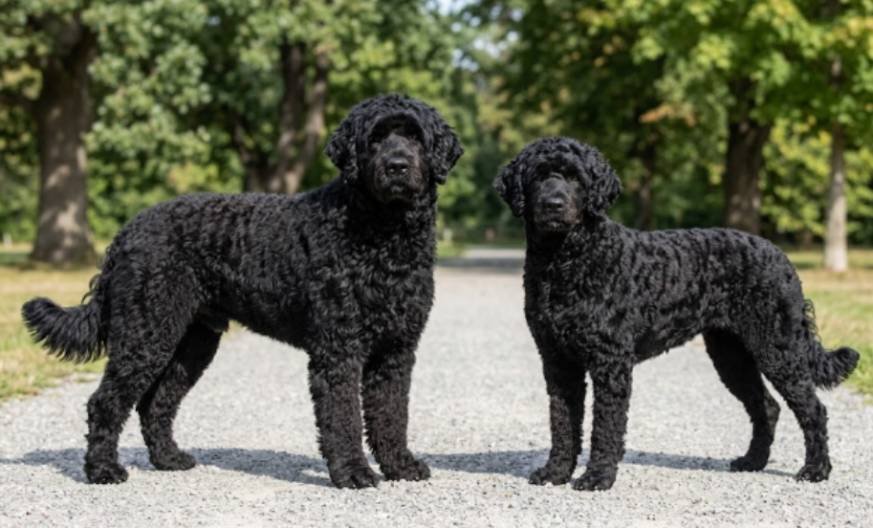
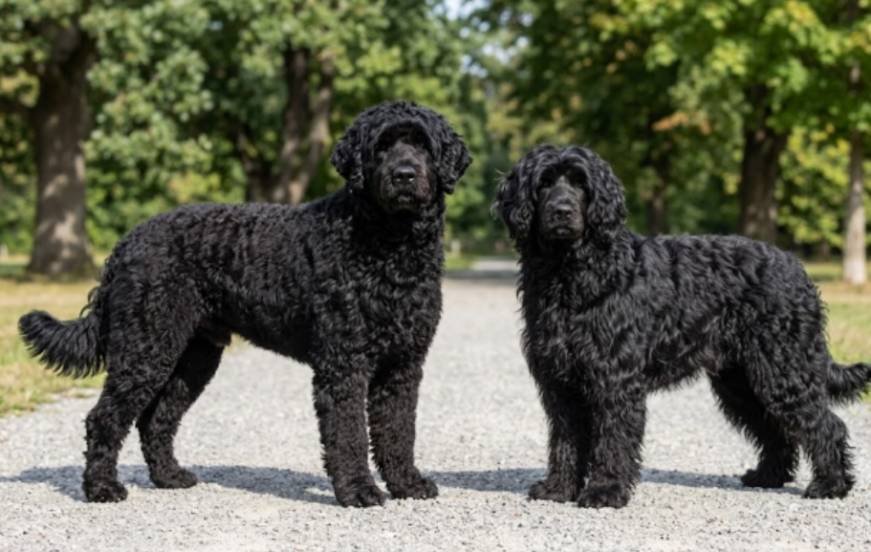
    The Portuguese Water Dog size and appearance can surprise people who have only seen the breed in photographs. Beneath that thick, curly coat is a strong, athletic dog with substantial bone, powerful legs, and a body shaped for demanding water work.

    When I first looked closely at the breed, I noticed that it appeared sturdier than a Poodle but more compact than many retrievers. That balance between strength, agility, and manageable size defines the Portuguese Water Dog.

    Portuguese Water Dog Height and Weight

    Portuguese Water Dog Height and Weight

    The Portuguese Water Dog is officially classified as a medium-sized working breed. However, its muscular frame and dense coat can make it appear larger than its measurements suggest.

    The American Kennel Club breed standard gives separate height and weight ranges for males and females. Height is measured at the withers, which is the highest point of the shoulder blades.

    Male Portuguese Water Dog Size

    An adult male normally stands between 20 and 23 inches tall at the shoulder. The ideal height listed in the breed standard is 22 inches.

    Males generally weigh between 42 and 60 pounds. A well-conditioned male should look powerful without appearing heavy, bulky, or slow.

    Female Portuguese Water Dog Size

    An adult female usually stands between 17 and 21 inches tall. The breed standard identifies 19 inches as the ideal female height.

    Females normally weigh between 35 and 50 pounds. They may look slightly finer than males, but they should still have strong bone and visible athletic substance.

    Individual dogs can mature at different rates. Genetics, nutrition, exercise, and overall health may influence adult weight, although a healthy dog should remain within a proportionate range.

    What Does a Portuguese Water Dog Look Like?

    What Does a Portuguese Water Dog Look Like?

    The most important feature of the Portuguese Water Dog size and appearance is balance. The dog should not resemble a fragile, narrow athlete or an oversized, heavy retriever.

    Its entire structure reflects endurance, swimming ability, and the strength once needed to work beside fishermen.

    Body Shape and Muscular Build

    The official breed standard describes the body as “off-square.” This means the dog is slightly longer from chest to rear than it is tall from shoulder to ground.

    The difference is subtle. A Portuguese Water Dog should still look compact and balanced rather than long-backed.

    The body includes a deep chest, strong shoulders, muscular hindquarters, and substantial bone. Its build is more solid than many people expect beneath the coat. The Royal Kennel Club also describes the breed as robust, well-balanced, and strongly muscled through the shoulders.

    A useful visual test is to imagine the coat removed. The remaining silhouette should show a powerful working dog, not a narrow or delicate companion breed.

    Head, Eyes, and Expression

    The head is broad, large, and well proportioned to the body. A strong muzzle and developed jaws add to the breed’s workmanlike appearance.

    The eyes are medium-sized and set well apart. They may be black or various shades of brown, although darker eyes are preferred under the AKC standard.

    The expression should appear steady, alert, and attentive. Heart-shaped ears hang close to the head and contribute to the breed’s distinctive outline.

    This focused expression often matches the breed’s alert nature. Readers interested in how physical presence connects with behavior can also explore portuguese water dog temperament and personality.

    Webbed Feet and Rudder-Like Tail

    Portuguese Water Dogs have noticeable skin between their toes, commonly described as webbing. This feature helps increase the surface area of the feet during swimming.

    Their feet alone do not create swimming ability. Strong shoulders, muscular rear legs, balance, conditioning, and confidence in water also matter.

    The tail is thick at its base and narrows toward the tip. It is carried in a ring when the dog is alert and helps with balance and direction in water. The breed’s webbed feet and water-working ability remain among its best-known physical characteristics.

    Portuguese Water Dog Coat Types and Colors

    Portuguese Water Dog Coat Types and Colors

    The coat has a major influence on the Portuguese Water Dog size and appearance. A full coat can hide the waist, broaden the chest, and make the legs look thicker.

    The breed has a profuse, single coat without the typical undercoat found in many double-coated working dogs. It sheds minimally but continues growing and requires consistent maintenance.

    Curly Coat

    The curly variety has compact, cylindrical curls. Its texture may appear dense and somewhat matte rather than glossy.

    Curls can differ slightly across the body. Hair around the ears may appear softer or more wavy than the coat along the back.

    Wavy Coat

    The wavy coat falls in loose, flowing waves instead of forming tight curls. It may have a slight sheen and often creates a softer outline.

    Neither coat type receives preference under the American breed standard. A curly dog and a wavy dog can both represent the breed correctly.

    Accepted Coat Colors

    Recognized colors include black, white, and various shades of brown. Black-and-white and brown-and-white combinations are also accepted.

    White Portuguese Water Dogs are not albino when they have correct dark pigment around the nose, mouth, and eyelids. Coat color does not determine the dog’s adult size, working ability, or personality.

    Although the coat is often marketed as hypoallergenic, no dog breed is completely allergy-free. Dog allergens can come from saliva, dander, and urine, not simply loose hair. The American College of Allergy, Asthma and Immunology advises allergy-sensitive families to evaluate their response to individual dogs before making a commitment.

    Lion Clip vs Retriever Clip

    Grooming can dramatically change the perceived Portuguese Water Dog size and appearance.

    The retriever clip trims the entire body to follow its natural outline. The coat must remain no longer than one inch, while the hair at the end of the tail stays full. This clip reveals the dog’s athletic proportions clearly.

    The lion clip leaves the coat longer over the front of the body. The muzzle, middle section, hindquarters, and base of the tail are clipped closely. A full plume remains at the tail tip.

    Both presentations are accepted equally under the AKC standard. The lion clip creates a dramatic, traditional outline, while the retriever clip offers a practical and even appearance.

    How Large Does a Portuguese Water Dog Look Indoors?

    How Large Does a Portuguese Water Dog Look Indoors?

    Measurements do not always explain how much physical space a dog occupies.

    A 50-pound Portuguese Water Dog may look larger than a short-coated dog of equal weight because the coat adds visual volume. Its active movement, long tail, and strong body also require more practical room than the term “medium-sized” might suggest.

    I use a simple space test when evaluating this breed. Picture a dog standing beside a standard kitchen counter. Its back remains well below the counter, but its head may approach the surface when it stretches upward.

    This breed can fit into many homes, including apartments, but floor space alone should not drive the decision. Daily activity, training, coat care, and access to safe exercise matter more.

    Owners should also learn how to introduce your dog to unfamiliar environments, especially when taking an energetic Portuguese Water Dog to new parks, homes, training facilities, or travel destinations.

    How to Recognize the Breed at a Glance

    A quick silhouette check can help distinguish a Portuguese Water Dog from a Standard Poodle, Labradoodle, or another curly-coated dog.

    Look for three features together:

    1. A compact body that is slightly longer than tall
    2. Strong bone with a broad, substantial head
    3. A curly or wavy coat paired with an athletic working outline

    A Poodle usually presents a more refined, square profile with a narrower impression. A Portuguese Water Dog should appear rugged, muscular, and ready for physical work.

    Coat texture alone is not enough for identification. Mixed breeds can inherit similar curls, colors, or facial furnishings without sharing the Portuguese Water Dog’s proportions.

    Appearance Changes From Puppy to Adult

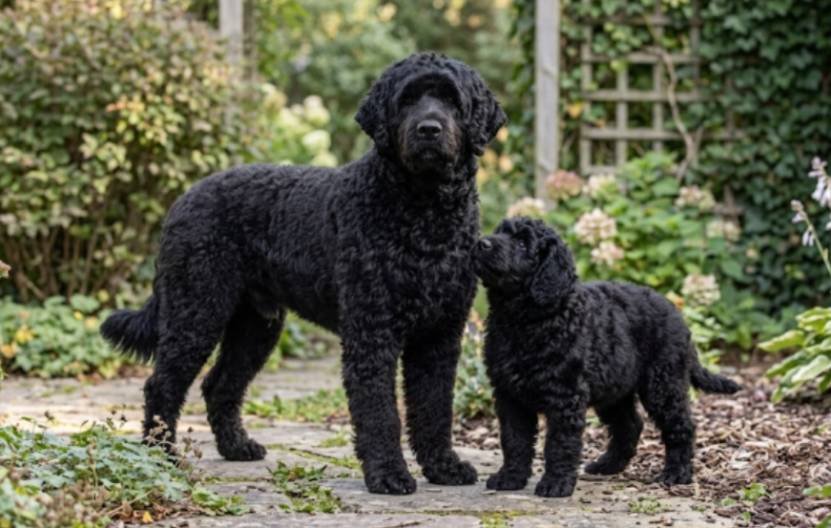
    A puppy may look round, fluffy, and somewhat short-legged because its coat and body proportions are still developing.

    As the dog matures, the chest deepens, the head broadens, and the limbs gain muscle. Many Portuguese Water Dogs reach close to adult height during their first year, but their chest and overall substance may continue developing afterward.

    Owners should avoid judging final Portuguese Water Dog size and appearance from an eight-week-old puppy. The parents’ structure, pedigree, sex, and growth pattern offer better clues.

    Regular body-condition checks are also important. Thick curls can hide ribs, a narrowing waist, or gradual weight gain. I prefer using my hands to assess the ribs and waist instead of relying only on the dog’s outline.

    Frequently Asked Questions

    1. Is a Portuguese Water Dog considered a medium or large dog?

    It is officially a medium-sized dog, although its muscular frame and full coat can make it look larger.

    2. How big does a full-grown male Portuguese Water Dog get?

    A mature male usually reaches 20 to 23 inches and weighs between 42 and 60 pounds.

    3. Does a Portuguese Water Dog have hair or fur?

    It has a continuously growing, low-shedding coat that may be curly or wavy and requires regular grooming.

    4. Does grooming change Portuguese Water Dog size and appearance?

    Grooming changes the visible outline significantly, but it does not alter the dog’s actual height, weight, or body structure.

    Final Splash: Built for More Than Good Looks

    The Portuguese Water Dog size and appearance tell the story of a genuine working breed. Its muscular body, broad head, strong legs, webbed feet, and functional coat were shaped by demanding work around water.

    I would never choose this breed based only on its curls or stylish haircut. The coat may attract attention, but the athlete underneath defines the dog.

    Before bringing one home, meet several adult Portuguese Water Dogs in person. Watch them move, feel the density of the coat, and compare males with females. That experience will give you a far more accurate picture than photographs alone.

  • When Do Puppies Start Sleeping Through Night? Full Age Guide

    When Do Puppies Start Sleeping Through Night? Full Age Guide

    Every new puppy owner asks the same tired question at 3 a.m.: when do puppies start sleeping through night without waking everyone up? The honest answer is that most puppies settle into full nighttime sleep by around 16 weeks of age, though the exact timing shifts between 10 and 16 weeks depending on bladder development and breed size. This guide breaks down exactly what to expect at each stage and what you can do to speed things along.

    Why This Question Actually Matters?

    Sleep deprivation is no joke, even when the reason behind it is unbearably cute. Knowing when do puppies start sleeping through night helps you set realistic expectations instead of panicking over every midnight whine. 

    It also stops you from blaming your training when the real culprit is simply an immature bladder that hasn’t caught up yet. A little patience paired with the right information turns a stressful phase into a manageable one.

    Age Milestones And Bladder Growth

    When wondering when puppies start sleeping through the night, it’s important to understand that urinary incontinence develops gradually rather than overnight. Every puppy grows at a slightly different pace, but most follow a predictable timeline. Knowing what to expect at each stage helps you plan nighttime potty breaks and avoid unrealistic expectations during house training.

    8 to 10 Weeks: Frequent Nighttime Potty Breaks

    At 8 to 10 weeks old, puppies can typically hold their bladder for only 3 to 4 hours. Because of this limited bladder capacity, one or even two overnight potty trips are completely normal. Waking up during the night at this age doesn’t mean your puppy is misbehaving or that your training isn’t working—it simply reflects their physical development.

    10 to 12 Weeks: Longer Sleep Stretches

    As puppies reach 10 to 12 weeks, bladder control begins to improve noticeably. Most can comfortably hold their urine for 4 to 5 hours, reducing the need for multiple nighttime wake-ups. Many owners find that a single scheduled potty break before dawn is enough to prevent accidents while helping their puppy build healthy sleeping habits.

    16 Weeks and Beyond: Sleeping Through the Night

    16 Weeks and Beyond: Sleeping Through the Night

    By 16 weeks (around 4 months) and older, most healthy puppies have developed enough bladder capacity to sleep 6 to 8 hours without needing a bathroom break. This aligns much more closely with a typical human sleep schedule, making uninterrupted nights far more realistic. 

    While individual breeds and puppies may progress slightly faster or slower, veterinarians and trainers generally consider the 16-week milestone the point when most puppies are physically capable of consistently sleeping through the night. Patience and a consistent bedtime routine during the earlier weeks help make this transition much smoother.

    Breed Size And Bladder Development

    Breed Size And Bladder Development

    Breed Size Influences Nighttime Bladder Control

    Not all puppies develop at the same pace, and breed size is one of the biggest factors affecting when they can sleep through the night. While every puppy is unique, larger and smaller breeds often reach this milestone on different timelines.

    Learning how to socialize a puppy before vaccinations early through safe, controlled experiences can also reduce nighttime stress, helping some puppies settle more confidently at bedtime.

    Large vs. Small Breeds

    Larger breeds, such as Labradors and Golden Retrievers, often develop bladder control slightly earlier because their muscles and internal organs mature more quickly relative to their overall growth. In contrast, toy breeds like Chihuahuas or Yorkshire Terriers have much smaller bladders and may not consistently hold their urine overnight until 5 to 6 months of age. 

    As a result, two puppies receiving the same training may achieve uninterrupted nighttime sleep weeks or even months apart. Understanding these natural differences helps you set realistic expectations and avoid comparing your puppy’s progress with others.

    How To Help Your Puppy Sleep Through Night

    How To Help Your Puppy Sleep Through Night

    Create a Predictable Evening Routine

    If you’re wondering when puppies start sleeping through the night, one of the best ways to encourage longer sleep is by following a consistent bedtime routine. Puppies thrive on repetition, and predictable habits develop thinking skills and help them understand when it’s time to settle down for the night.

    Limit Food and Water Before Bed

    Avoid giving your puppy a large meal or unrestricted access to water about two hours before bedtime. This helps reduce the likelihood of a full bladder during the night while still ensuring they stay properly hydrated throughout the day.

    Don’t Skip the Final Potty Break

    Always take your puppy outside for one last bathroom break immediately before bedtime. Keep this outing calm, quiet, and purposeful so your puppy associates it with sleeping rather than playtime or excitement.

    Keep Nighttime Potty Trips Boring

    If your puppy wakes up and needs to go outside, keep the interaction brief and uneventful. Avoid talking, cuddling, or playing. A quick potty break followed by a return to bed teaches your puppy that waking at night won’t lead to extra attention or fun.

    A calm how to teach a puppy to sit routine before the final potty trip can help your puppy pause, focus, and return to bed with less excitement.

    Stay Consistent Every Night

    Consistency is more important than perfection. Stick to the same bedtime, follow the same evening routine, and respond to nighttime wake-ups in the same calm manner. Within a few weeks, most puppies begin recognizing basic manners, sleep for longer stretches, and settle back to sleep much more quickly.

    Frequently Asked Questions

    1. At what age can a puppy sleep through the night without peeing? 

    Most puppies reach this point around 16 weeks old, once their bladder can comfortably hold urine for 6 to 8 hours. Some smaller breeds may need a few extra weeks before reaching this same level of control. 

    2. What is the hardest month for a puppy? 

    The second month at home, usually covering weeks 8 through 12, tends to be the toughest stretch. Bladder control is still limited during this time, and adjusting to a new environment often adds extra restlessness at night. 

    3. Can I let my 9 week old puppy sleep through the night? 

    It is not recommended at this age, since a 9 week old puppy can typically only hold urine for 3 to 4 hours. Skipping nighttime bathroom breaks this early usually leads to accidents rather than progress. 

    4. What time should a puppy go to bed for the night? 

    Somewhere between 8 and 10 p.m. tends to work well for most households, as long as that same bedtime stays consistent every night. A predictable schedule helps a puppy’s internal clock adjust much faster.

    Sweet Dreams Ahead: The Countdown To Full Nights

    Figuring out when do puppies start sleeping through night doesn’t have to feel like a mystery anymore. With bladder capacity improving steadily between 8 and 16 weeks, a bit of patience, a calm bedtime routine, and boring nighttime bathroom breaks, most puppies settle into full nights of sleep by the four month mark. Better rest for your puppy means better rest for you too, and that finish line is closer than those exhausting early weeks make it feel.