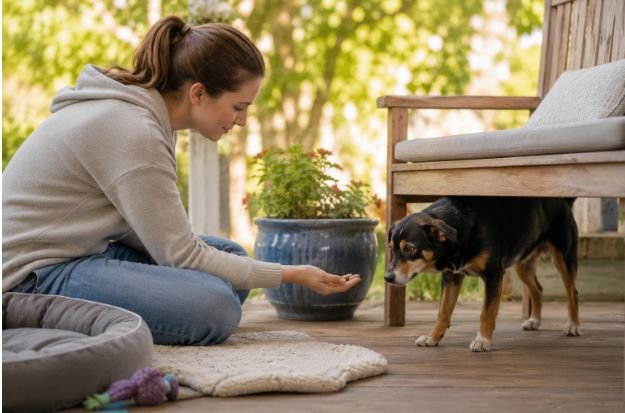
I’ve always believed that dogs tell us more with their actions than their bark. The shy ones, especially, have a quiet way of asking for patience. I’ve met dogs that hid behind furniture when someone new walked into the room, froze during walks, or refused to make eye contact. At first, it looked like stubbornness, but spending time with them made me realize they weren’t being difficult. They simply didn’t feel safe yet.
What surprised me most was that confidence never came from pushing them to “get over it.” It came from slowing down, giving them space, and celebrating the smallest moments. A hesitant step toward a new person or a curious sniff of an unfamiliar object became a bigger victory than any training command. Those little moments reminded me that trust isn’t something you teach. It’s something you earn.
Why Some Dogs Struggle With Confidence
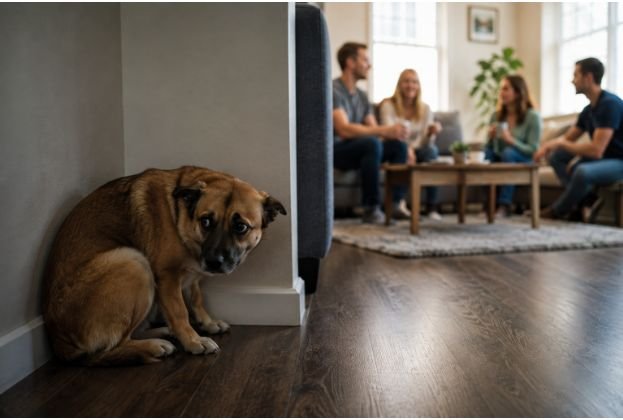
Not every shy dog has experienced trauma. Some dogs are naturally cautious because of their genetics, while others missed important socialization during puppyhood. Rescue dogs may also carry emotional baggage from past experiences that make unfamiliar situations feel overwhelming.
A lack of confidence usually shows up in subtle ways before it becomes obvious. Your dog might avoid eye contact, stay behind you during walks, hesitate before entering a new room, or become unusually quiet around strangers. These behaviors don’t mean your dog is refusing to cooperate. They’re signs that the world feels uncertain.
Understanding the difference between a shy dog and a fearful dog also matters. A shy dog may warm up after observing from a distance, while a fearful dog may panic or try to escape when they feel trapped. Recognizing those differences helps you respond with patience instead of frustration.
Let Your Dog Move at Their Own Pace
One of the biggest mistakes people make is trying to speed up confidence-building. It’s tempting to introduce a shy dog to lots of new people, places, and experiences in the hope they’ll adjust more quickly. In reality, too much pressure often has the opposite effect.
Instead, allow your dog to make the first move. If they’re meeting someone new, let them approach when they feel ready. Avoid leaning over them, staring directly into their eyes, or reaching toward their head. Those actions can seem intimidating, even when your intentions are kind.
When dogs feel they have a choice, they’re more likely to become curious instead of fearful.
Build Trust Before You Focus on Training
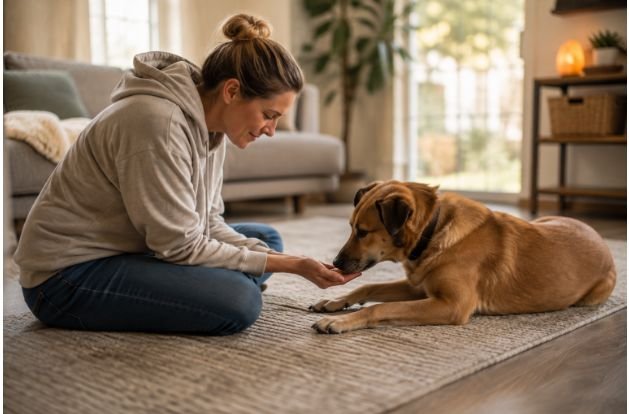
Training works best when trust comes first.
Before worrying about perfect manners, spend time creating positive interactions. Sit quietly together, reward calm behavior, and let your dog discover that being near you always feels safe.
If your dog isn’t comfortable taking treats from your hand, gently toss a high-value treat a short distance away. This removes pressure while helping your dog associate your presence with something positive.
Over time, those repeated experiences become the foundation for confidence.
Turn Everyday Moments Into Small Wins
Confidence grows through repetition, not dramatic breakthroughs.
Simple activities can help your dog feel more capable every day:
- Let them investigate a new walking route without rushing.
- Reward them for calmly watching unfamiliar people from a comfortable distance.
- Introduce puzzle feeders or snuffle mats that encourage problem-solving.
- Play gentle games where your dog has a chance to succeed and even “win.”
These experiences teach your dog that trying something new often leads to a positive outcome.
Learn to Read Your Dog Before They React
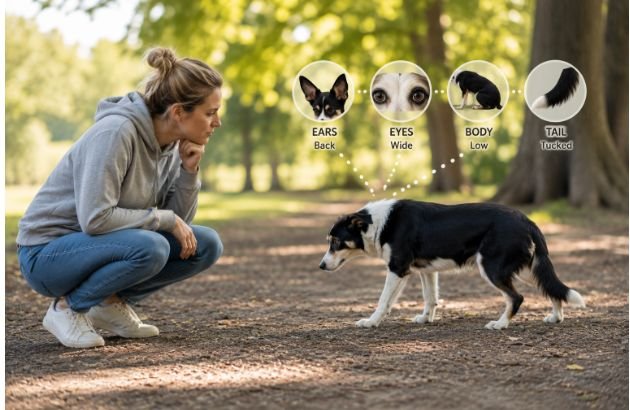
Dogs rarely become overwhelmed without giving subtle signals first. Learning to recognize those signs allows you to step in before fear escalates.
Lip licking, yawning when not tired, turning the head away, lifting a paw, slowing down during walks, or avoiding eye contact can all indicate discomfort. Paying attention to these behaviors helps you adjust the situation before your dog feels the need to bark, lunge, or hide.
If you’d like to recognize these early warning signs more clearly, understanding dog stress signals can make everyday interactions much easier and help you respond before your dog becomes overwhelmed.
The better you understand your dog’s body language, the more secure they’ll begin to feel around you.
Give Your Dog a Safe Space
Every confident dog starts with a place where they know they can relax.
A quiet crate, comfortable bed, or peaceful corner of the house gives your dog somewhere to retreat whenever life feels overwhelming. That space should never be used as punishment. Instead, it should always represent safety and comfort.
Knowing they have an escape option often makes dogs more willing to explore because they don’t feel trapped.
Celebrate Progress You Can Easily Miss
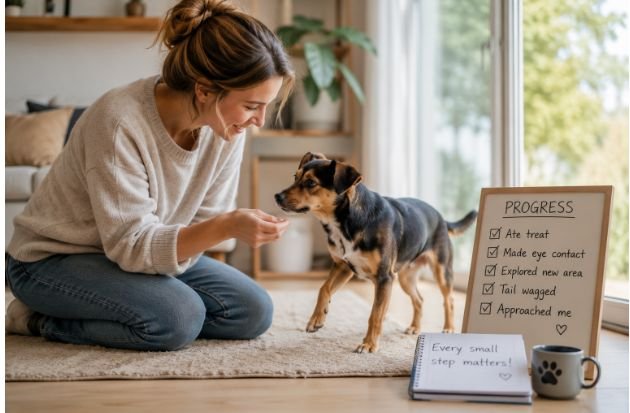
Many owners expect confidence to appear all at once, but that’s rarely how it happens.
Your dog may walk a little farther today than yesterday. They might sniff a visitor instead of hiding behind you. They may recover from a loud noise in seconds instead of minutes.
Those changes might seem small, but together they tell a much bigger story. Confidence isn’t measured by dramatic transformations. It’s built through hundreds of tiny successes that slowly replace uncertainty with trust.
Mistakes That Can Hold Your Dog Back
Even with the best intentions, certain habits can slow progress:
- Forcing greetings with strangers or other dogs.
- Punishing fearful behavior instead of reassuring your dog.
- Moving too quickly through new experiences.
- Ignoring subtle body language that shows your dog feels uncomfortable.
- Comparing your dog’s progress to another dog’s personality or timeline.
Patience almost always produces better results than pressure.
FAQs: How to Build Confidence in a Shy Dog by Earning Their Trust
How long does it take for a shy dog to gain confidence?
Every dog is different. Some improve within weeks, while others need several months. Consistency, patience, and positive experiences matter far more than speed.
Should I force my shy dog to meet new people?
No. Let your dog decide when they’re comfortable approaching someone. Giving them control often builds trust much faster than forced interactions.
Can older dogs become more confident?
Yes. While puppies often learn more quickly, adult and senior dogs can still build confidence through reward-based training, predictable routines, and gentle exposure to new experiences.
When should I seek professional help?
If your dog shows severe fear, aggression, or anxiety that doesn’t improve, speak with your veterinarian or a qualified behavior professional who uses positive reinforcement methods.
Trust Is the Confidence Your Dog Is Really Looking For
The most confident dogs aren’t the ones that never feel nervous. They’re the ones who know they have someone they can rely on when the world feels uncertain. Every calm interaction, every patient pause, and every small success tells your dog they’re safe enough to keep exploring. That’s the kind of confidence that lasts because it’s built on trust instead of pressure.
Sometimes the biggest step forward is simply giving your dog the time they need to take the next one.