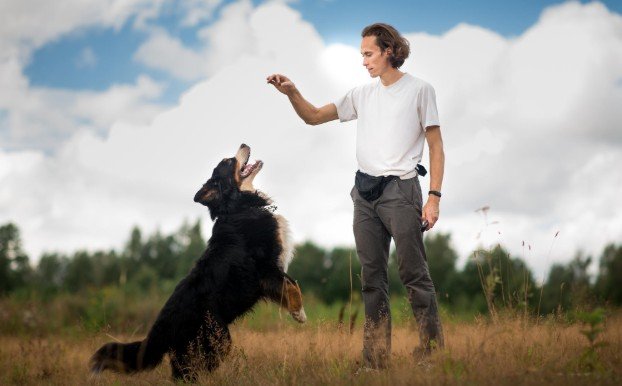
I have learned that progress rarely comes from becoming louder, stricter, or more repetitive. It comes from finding what the dog values and making the correct choice easy.
Positive reinforcement training for stubborn dogs replaces conflict with communication through clear cues, precise timing, and worthwhile rewards. A dog labelled stubborn may be confused, distracted, anxious, uncomfortable, or poorly motivated. Identify the obstacle first.
Is Your Dog Really Stubborn?
Dogs do not ignore instructions to prove a point. Their behavior reflects what has worked before and what feels rewarding now. A dog may sit in the kitchen but fail outdoors because scents, movement, people, and animals are more exciting than an ordinary biscuit.
Unclear communication also resembles defiance. Repeating “come” can teach the dog that the first cue is optional. Changing words, gestures, or expectations makes learning harder.
An overwhelmed dog may be unable to focus even when it knows the cue. Sudden resistance, stiffness, sensitivity, appetite changes, or withdrawal may indicate discomfort and deserve veterinary attention.
Why Rewards Change Behavior
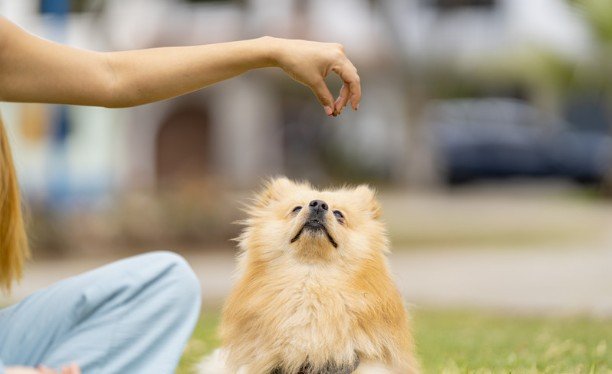
Positive reinforcement means giving something the dog values immediately after a desired behavior, making that response more likely to happen again. Food helps, but praise, toys, play, sniffing, and access can also work.
This approach suits independent dogs because it creates a predictable connection between the cue, the response, and a worthwhile outcome.
Timing is crucial. Mark success immediately with “yes” or a clicker, then deliver the reward. The marker identifies the exact action that earned it.
Choose a Better Reward
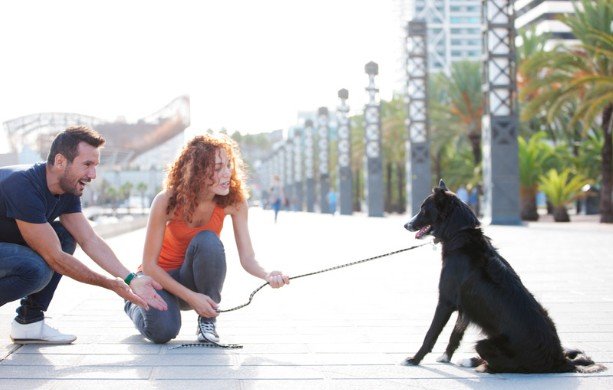
Kibble may work in a quiet room yet fail beside an exciting trail. Test safe options and watch which one wins attention.
Higher-value choices may include tiny pieces of cooked chicken, cheese, or soft training treats. Keep portions small to avoid excessive calories.
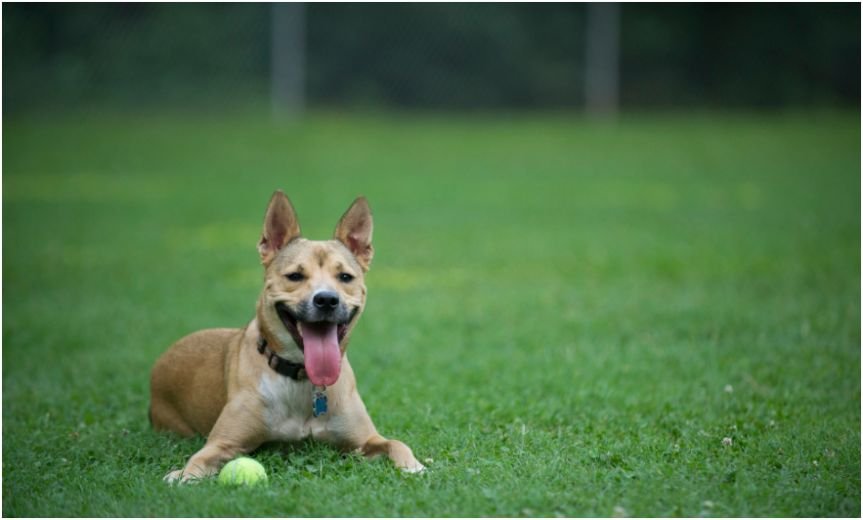
Some dogs prefer a ball, tug game, praise, or permission to sniff. Sitting before a door opens also teaches that calm behavior earns outdoor access.
Build Skills Step by Step
Begin Where Success Is Easy
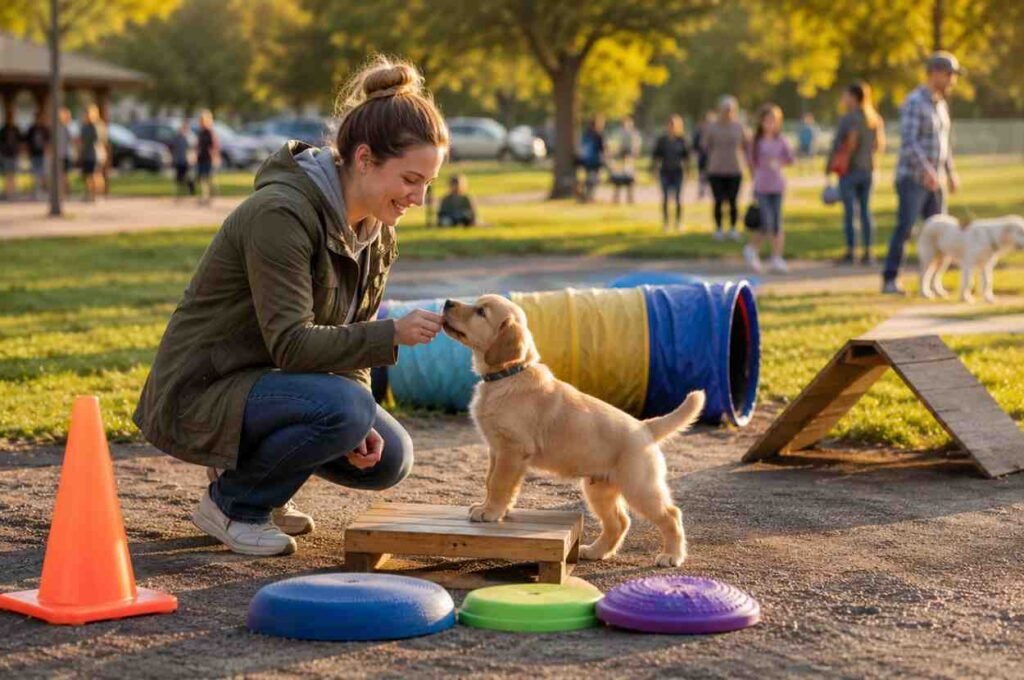
Start somewhere quiet. Ask for a simple behavior, such as eye contact or sitting. Mark the response and reward it immediately.
Keep sessions between three and five minutes. Finish after success while the dog remains interested.
Divide Difficult Behaviors
Do not demand a finished skill immediately. For “stay,” reward one second of stillness before adding time. Increase distance only after the first stage is reliable.
Build recall indoors from a few steps away, then increase distance gradually. Practise outdoors on a long line in a controlled location rather than risking failure in an open space.
Add One Challenge at a Time
Raising duration, distance, and distraction together often causes failure. Change one factor at a time and reduce the others.
When the dog struggles, simplify the exercise rather than repeating the cue. Repeated failure means the task is too difficult, especially when trying to stop puppy from biting during play.
Avoid Common Training Mistakes
Bribing and rewarding are different. With bribery, food appears before the response. In effective training, the cue comes first and the reward follows success. A lure can introduce a movement, but it should gradually disappear.
Delayed rewards create confusion. If the dog sits, then stands before receiving food, it may believe standing earned the treat.
Owners can accidentally reward unwanted actions. Attention after jumping, opening a door during scratching, or throwing a toy to stop barking may strengthen those behaviors. Reward four paws on the floor, quiet waiting, or another suitable alternative instead.
Say each cue once. Pause and reduce the difficulty if necessary. Constant repetition weakens the cue and teaches the dog to wait for multiple instructions.
When Treats Do Not Work
A dog refusing food may be full, stressed, frightened, overheated, unwell, or too distracted to learn. Move away from the trigger or return to a quieter place. Better treats cannot fix an overwhelming environment.
Training before a normal meal may improve interest, but food should never be withheld to create hunger. Try softer rewards, toys, movement, or access to an enjoyable activity.
Gates, leads, closed doors, and chosen practice areas can prevent rehearsal of unwanted behavior while a new habit develops.
Frequently Asked Questions
1. Does positive reinforcement training for stubborn dogs Work for Every Breed?
Reward-based methods suit every breed, but pacing should match the individual. Independent dogs may need shorter sessions, stronger motivation, and opportunities to sniff, chase toys, or solve simple problems.
2. Should I Reward Every Correct Response?
Reward every success while introducing a skill. Once the response is reliable, vary rewards while keeping occasional high-value surprises. Praise, play, and everyday privileges can replace some food.
3. How Quickly Should I Expect Improvement?
Simple behaviors may improve within several sessions, while reliable responses around distractions can take weeks or months. Progress depends on consistency, environment, health, reinforcement history, and difficulty.
4. When Should I Seek Professional Help?
Contact a qualified reward-based trainer when progress remains stalled, fear or aggression appears, or safety is at risk. Ask a veterinarian about sudden behavioral changes or possible pain.
A Better Way Forward
I no longer see a so-called stubborn dog as an opponent to defeat. I see a learner whose motivation, surroundings, or instructions need adjustment. Clear cues, valuable rewards, accurate timing, and achievable steps create cooperation without intimidation.
Progress will not always be steady. A dog may succeed at home and struggle somewhere new. That does not erase the learning; it shows where more practice is needed. By lowering difficulty, rewarding genuine effort, and remaining consistent, I can help the dog choose the desired behavior with confidence.