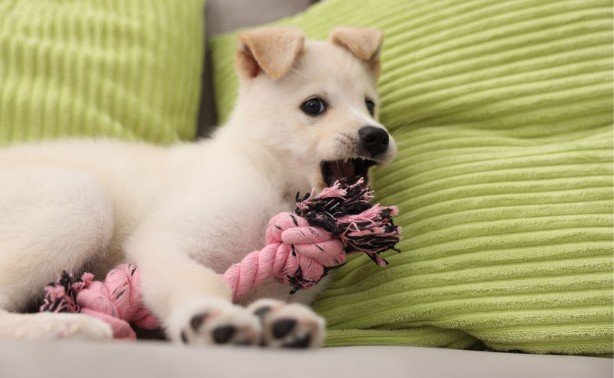
When I first played with an excited puppy, I expected bouncing, chasing, and a few clumsy tumbles. I did not expect tiny teeth to grab my hands, sleeves, and ankles every few seconds. Although puppy biting can feel aggressive, it is usually a normal part of learning, teething, and exploring the world.
Learning how to stop a puppy from biting during play begins with understanding that puppies repeat behaviors that keep games moving. If biting makes people squeal, wave their hands, or chase them, they may see the reaction as part of the fun. Calmly ending attention and rewarding appropriate play teaches a much clearer lesson.
Why Puppies Bite During Play
Puppies use their mouths much like young children use their hands. They investigate textures, communicate with littermates, and test what happens when they apply pressure. During early development, mouthing is one way they learn bite inhibition, which means controlling the strength of their bite.
Teething can also increase biting. As baby teeth loosen and adult teeth emerge, chewing may relieve discomfort in the gums. A puppy may therefore target fingers, shoes, furniture, or clothing whenever excitement and teething happen at the same time.
Fatigue is another common cause. An overtired puppy may become frantic, jump repeatedly, ignore toys, and bite harder than usual. In these situations, more active play is rarely the solution. The puppy may need a potty break, a calm activity, or a nap.
What to Do When Your Puppy Bites
The moment your puppy’s teeth touch skin or clothing, stop moving. Pulling your hand away quickly can activate the puppy’s chase instinct and make the game more exciting.
Remain still for a moment, calmly remove your attention, and step away if necessary. You can cross your arms, turn your back, or move behind a puppy gate for a brief pause. The goal is not to frighten or punish the puppy. It is to show that biting immediately ends access to play.
After several seconds of calm behavior, return with an appropriate toy. Resume the game only when the puppy engages with the toy rather than your body. This creates a simple pattern: teeth on people stop the game, while teeth on toys keep it going.
Use the Game-Over Method Consistently
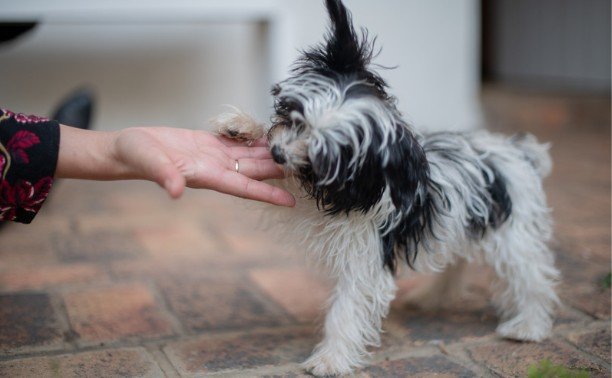
A reverse time-out is one of the clearest ways to respond to play biting. Instead of placing the puppy somewhere as punishment, you briefly remove yourself from the interaction.
Keep the pause short. Puppies may not connect a long isolation period with the bite that happened earlier. A brief, immediate break is easier to understand.
Everyone in the household should follow the same rule. If one person stops play while another allows the puppy to wrestle with hands, progress will be slower. Consistency helps the puppy predict which behaviors earn attention.
Redirect Biting to the Right Toys
Keep suitable toys within reach before play begins. Long tug toys, soft puppy-safe toys, and lightweight fetch toys create distance between teeth and hands.
Move the toy away from the puppy rather than pushing it toward the face. Prey-like movement often makes the toy more interesting. When the puppy grabs it, continue the game and offer praise.
Do not repeatedly wave fingers near the puppy’s mouth or encourage hand wrestling. Even when it seems harmless, it teaches the puppy that human skin is an acceptable play target.
When practicing how to stop a puppy from biting during play, introduce the toy before the puppy becomes overexcited. Prevention is usually easier than interrupting a puppy that is already jumping, growling playfully, and grabbing clothes.
Keep Play Sessions Calm and Short
Long, intense games can push a puppy beyond its ability to control impulses. Several short play sessions are often more productive than one exhausting session.
Watch for early signs of overstimulation, such as faster movements, repeated jumping, sudden zooming, harder bites, barking, or an inability to respond to familiar cues. End the game before the behavior becomes chaotic.
Alternate active play with calmer activities. Sniffing games, food puzzles, supervised chewing, and simple training exercises can provide mental stimulation without creating the same level of excitement.
Puppies also need substantial sleep. A young puppy that suddenly becomes unusually mouthy may simply be tired. Guide the puppy to a quiet, comfortable resting area without treating the break as punishment.
Should You Yelp When a Puppy Bites?
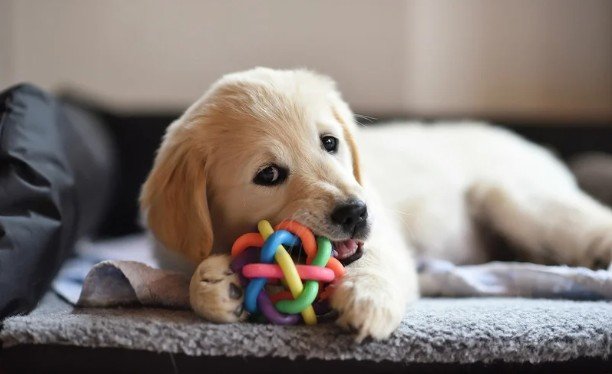
Some training advice recommends making a brief yelping sound when a puppy bites too hard. This imitates feedback puppies may receive from littermates, while basic obedience commands can help redirect the puppy toward calmer, more controlled behavior.
However, yelping does not work for every puppy. Sensitive puppies may pause, while highly excitable puppies may become more interested and bite again. A loud reaction can sound like a squeaky toy.
Try one calm verbal interrupter if needed, but observe the result. If the puppy becomes more excited, stop making sounds and use quiet disengagement instead.
How to Handle Biting Hands, Ankles, and Clothes
Biting Hands
Keep hands still and avoid pushing the puppy away. Redirect to a toy, then reward the puppy for choosing it. Practice gentle handling separately when the puppy is calm.
Biting Ankles
Stop walking as soon as the puppy targets your feet or pant legs. Movement encourages chasing. Keep a long toy nearby and reward the puppy for following the toy instead of grabbing clothing.
Pulling Clothes
Do not tug the fabric back because this turns clothing into a game. Freeze, calmly release the material if possible, and step away. Resume interaction only after the puppy settles.
Helping Children Play Safely
Children should always be supervised during puppy interactions. Running, squealing, waving hands, and sitting on the floor can trigger chasing and mouthing.
Teach children to become still when the puppy gets too rough. Adults should manage the situation using gates, leashes, and long toys rather than expecting a child to train the puppy alone.
Short, structured games such as tossing treats, rolling a ball, or practicing simple cues are generally safer than wrestling.
Puppy-Biting Mistakes to Avoid
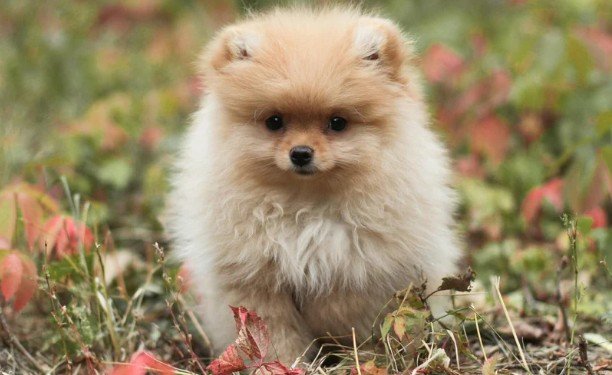
Avoid hitting the puppy, holding the muzzle closed, yelling, or using physical intimidation. These reactions can create fear without teaching an appropriate replacement behavior.
Do not use the crate as an angry punishment. A crate or playpen should remain a comfortable resting space. If the puppy needs a nap, guide it there calmly after meeting its bathroom and comfort needs.
Avoid expecting instant results. Puppies learn through repetition, and teething may temporarily increase mouthing even when training is progressing.
When Puppy Biting May Be Concerning
Most play biting occurs with a loose body, bouncing movement, and easy redirection. Seek professional guidance when biting is accompanied by stiffness, prolonged freezing, guarding, repeated skin-breaking bites, or intense reactions to handling.
A sudden behavior change can also indicate pain or illness. Contact a veterinarian when biting appears unexpectedly or occurs when a particular body area is touched.
A qualified positive-reinforcement trainer or veterinary behavior professional can evaluate patterns that are difficult to manage safely.
Frequently Asked Questions
1. How can I learn how to stop a puppy from biting during play quickly?
Use the same response every time. Freeze, remove attention briefly, return with a toy, and reward appropriate play. Consistent repetition is more effective than punishment or emotional reactions.
2. At what age do puppies stop biting?
Many puppies improve as teething ends and impulse control develops, but there is no exact age for every dog. Training, sleep, exercise, breed tendencies, and household consistency all influence progress.
3. Why does my puppy bite harder in the evening?
Evening biting often results from fatigue, accumulated excitement, or overstimulation. A potty break followed by a calm chew and scheduled rest may help more than additional energetic play.
4. Can tug games make puppy biting worse?
Tug can be safe when the puppy targets the toy, follows clear start-and-stop rules, and releases when asked. End the game whenever teeth contact skin or clothing.
A Gentler Path to Better Play
I have found that puppy biting becomes much easier to handle once every interaction follows the same predictable rule. I do not need to scare, overpower, or punish a puppy to change the behavior. I only need to make rough biting unrewarding and appropriate toy play worthwhile.
With calm pauses, well-timed redirection, shorter games, enough rest, and consistent household rules, most puppies gradually develop better control. The process takes patience, but each successful play session helps build safer habits and a more trusting relationship.