
When I first started learning about dog socialization, I honestly thought it meant introducing a puppy to as many people and dogs as possible. Every wagging tail felt like a sign that things were going well, so I believed more interactions would naturally build confidence. It seemed simple enough until I realized that excitement and comfort aren’t always the same thing.
I’ve also noticed that many well-meaning dog owners make the same assumption. They put enormous effort into giving their puppies new experiences, but sometimes the way those experiences happen creates the very behaviors they’re hoping to avoid. Socialization isn’t about doing more. It’s about creating positive experiences that teach a dog the world is safe without becoming overwhelming.
Why Dog Socialization Is Often Misunderstood

Dog socialization isn’t about making a puppy greet every person, play with every dog, or feel comfortable in every situation overnight. The real goal is helping a puppy experience new sights, sounds, places, and people in a calm, positive way.
Veterinary behavior experts and animal organizations describe socialization as building confidence through controlled exposure. Puppies learn best when they’re curious and relaxed, not when they’re frightened or overstimulated. Small, successful experiences repeated over time create stronger behavioral foundations than a single event packed with excitement.
Mistake #1: Thinking Every Walk Should Include Greetings
One of the most common mistakes during dog socialization happens on everyday walks. Many owners encourage their puppy to greet every passing dog or stranger because it seems friendly and social.
Over time, this can create unrealistic expectations. Instead of walking calmly, the puppy begins pulling toward everyone they see. If they aren’t allowed to greet someone, frustration builds, which may eventually develop into leash reactivity or excessive barking.
A healthier approach is rewarding calm observation. Let your puppy notice people, cyclists, or other dogs while remaining relaxed beside you. This teaches that not every encounter requires interaction.
Mistake #2: Introducing Too Much Too Quickly

It’s tempting to expose a puppy to busy parks, outdoor events, crowded sidewalks, and noisy environments as early as possible. While the intention is good, too much stimulation at once can overwhelm a developing nervous system.
Behaviorists often refer to this as flooding. Instead of creating confidence, overwhelming experiences may teach a puppy that unfamiliar places feel unpredictable or unsafe.
Short visits work much better. Introduce one new environment at a time, keep sessions brief, and pair those experiences with treats, praise, or play. Positive associations build gradually, giving puppies time to process what they’re learning.
Mistake #3: Waiting Too Long to Begin
Some owners delay socialization until every vaccination is complete because they want to protect their puppy from illness. While health precautions are important, waiting too long can mean missing one of the most valuable learning periods.
The early socialization window closes surprisingly quickly. During those first few months, puppies naturally accept new experiences more easily than they do later in life.
That doesn’t mean taking unnecessary health risks. Carrying a puppy through busy areas, sitting together outside a café, or watching the world from a stroller or cart can safely introduce everyday sights and sounds while reducing exposure to unknown dogs.
Socialization also shouldn’t stop after puppyhood. Adolescence brings new challenges, making continued positive experiences just as important.
Mistake #4: Mistaking Overexcitement for Happiness
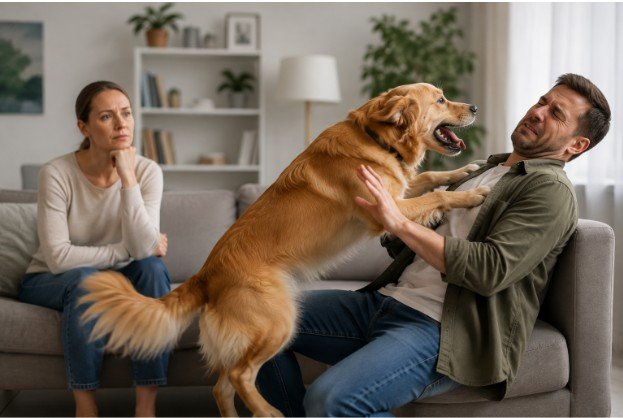
A bouncing puppy often looks happy, which makes this mistake easy to overlook.
If a puppy constantly spins, lunges, whines, or strains toward people and dogs, they’re not always showing confidence. In many cases, they’re becoming emotionally overwhelmed.
High arousal raises adrenaline levels and makes it harder for dogs to think clearly. Repeated over time, those intense emotional responses can become deeply ingrained habits that are difficult to change.
Teaching calm behavior before allowing interaction helps puppies develop better emotional regulation. A few seconds of patience before greeting someone can become an important life skill.
Mistake #5: Ignoring Your Puppy’s Individual Comfort Level
Every puppy has a different personality. Some approach new experiences confidently, while others need more time to observe before joining in.
Comparing one puppy to another often creates unnecessary pressure. A quieter puppy isn’t necessarily fearful, and an energetic puppy isn’t automatically confident.
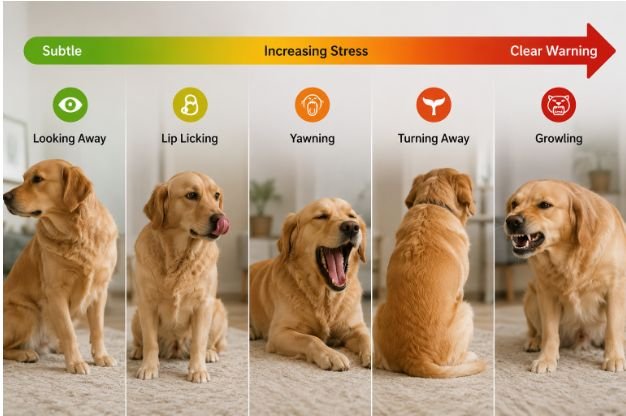
Pay attention to body language instead. Loose muscles, soft eyes, and curiosity usually signal comfort. Tucked tails, repeated yawning, lip licking, or attempts to move away suggest it’s time to slow down.
Following your puppy’s pace builds trust while making future experiences much easier.
Mistake #6: Forgetting That Socialization Includes Everyday Life

Many people focus only on meeting dogs and people, but socialization covers much more than social interaction.
Household appliances, bicycles, elevators, grooming tables, veterinary clinics, different walking surfaces, thunderstorms, traffic sounds, and children playing all become part of a dog’s understanding of the world.
Creating positive experiences around these everyday situations helps prevent unnecessary fear later in life. If you’re also learning how to prevent fear-based behaviors in dogs, you’ll notice that thoughtful socialization is often the first and most important step.
Small Decisions Today Shape Adult Behavior Tomorrow
Every socialization experience teaches something. Puppies remember whether the world feels predictable, overwhelming, exciting, or safe. That’s why thoughtful exposure matters much more than the number of experiences they have.
Slowing down often leads to better results. Calm introductions, realistic expectations, and patience give puppies the confidence to handle new situations long after those early months have passed.
FAQs: Common Mistakes During Dog Socialization That Can Affect Behavior for Years
When should puppy socialization begin?
Most puppies benefit from gentle, controlled socialization as early as their veterinarian recommends. Safe exposure during the first few months supports healthy behavioral development.
Can older dogs still be socialized?
Yes. Adult dogs can learn new behaviors, although progress may take longer. Positive reinforcement and gradual exposure remain the most effective approach.
Should every dog meet other dogs during walks?
No. Teaching calm observation is often more valuable than encouraging greetings with every dog your pet sees.
How can I tell if my puppy feels overwhelmed?
Watch for signs like a tucked tail, excessive panting, freezing, repeated yawning, lip licking, or trying to move away. These signals usually mean your puppy needs more space and a slower introduction.
Confidence Grows One Positive Experience at a Time
The biggest mistake during dog socialization isn’t missing a single outing or introducing one unfamiliar place. It’s believing that confidence develops through constant exposure instead of thoughtful experiences. Puppies don’t need to experience everything at once. They need enough positive moments to believe new situations are worth exploring.
A calm puppy today is far more likely to become a confident adult tomorrow, and that journey starts with the choices made during those early months.