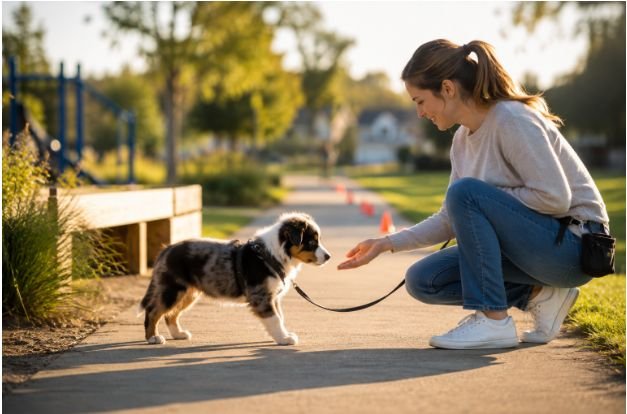
I still remember meeting a young rescue dog that wouldn’t walk past a parked bicycle. At first, I assumed it was just being stubborn. After spending a little more time watching its body language, I noticed the tiny signs I had completely missed. The dog licked its lips, looked away, and froze before taking a single step. That moment changed the way I looked at fearful behavior.
Since then, I’ve realized that fear rarely appears out of nowhere. It usually starts with quiet signals that are easy to overlook until they grow into barking, lunging, or avoiding everyday situations. Learning to notice those early moments has helped me understand that preventing fear is much easier than trying to undo months of anxious behavior.
Why Fear Turns Into a Lasting Habit
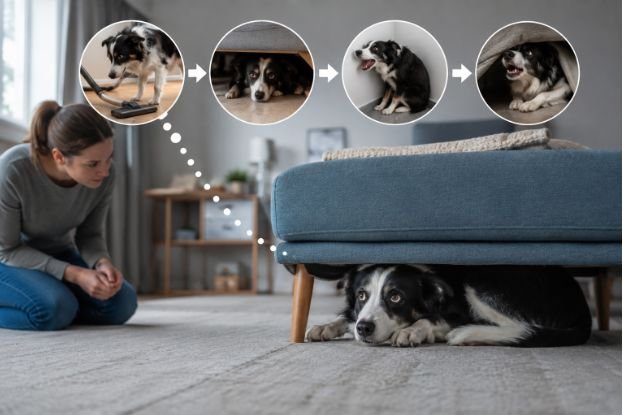
Every dog experiences fear at some point. A loud thunderstorm, an unfamiliar person, or a strange object can make even a confident dog hesitate. The problem begins when those experiences are repeated without helping the dog feel safe again.
When a frightening situation keeps happening, the brain starts connecting that trigger with danger. Over time, the reaction becomes automatic. A dog that once backed away from strangers may eventually bark as soon as someone approaches. Another may refuse to enter certain places because of one unpleasant experience.
That is why early intervention matters. The goal is not to eliminate fear completely but to prevent it from becoming your dog’s default response.
Learn to Recognize the Small Signs First
Many owners wait until their dog barks, growls, or tries to run away before realizing something is wrong. In reality, dogs usually communicate long before reaching that point.
Some of the earliest signs include lip licking, yawning when they are not tired, turning their head away, lowering their body, freezing, pinning their ears back, or tucking their tail. You may also notice muscle tension or wide, alert eyes.
If you spot these signals, create more distance from whatever is making your dog uncomfortable. Giving them space before panic sets in helps them stay below their emotional threshold, making it easier for them to recover.
Help Your Dog Build Positive Associations
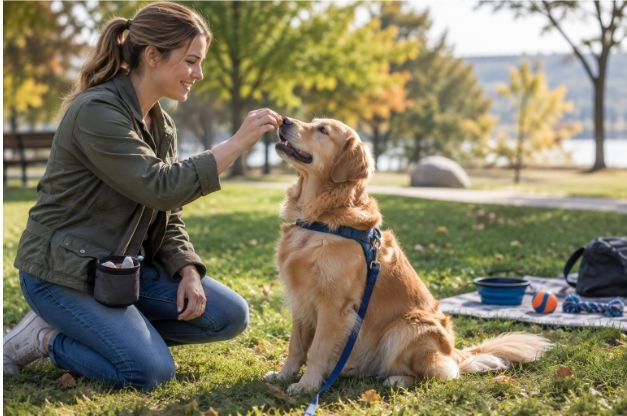
One of the most effective ways to prevent fear-based behaviors in dogs is by changing how they feel about unfamiliar situations instead of forcing them through those situations.
This approach combines gradual exposure with positive reinforcement. Start far enough away from the trigger so your dog notices it without becoming distressed. The moment they stay calm, reward them with something they truly enjoy, such as a favorite treat or toy.
As your dog becomes more comfortable, reduce the distance little by little over several training sessions. There’s no need to rush. Progress happens faster when your dog feels safe throughout the process.
Never Force Confidence
It’s natural to want your dog to “get used to it,” but pushing them into stressful situations often has the opposite effect.
Dragging a nervous dog toward strangers, forcing greetings with other dogs, or ignoring signs of discomfort teaches them that their concerns won’t be respected. Instead of building confidence, it increases anxiety and reduces trust.
A better approach is allowing your dog to make choices. When they feel they can move away, observe from a distance, and approach at their own pace, they begin developing genuine confidence instead of learned helplessness.
Create an Environment That Feels Safe
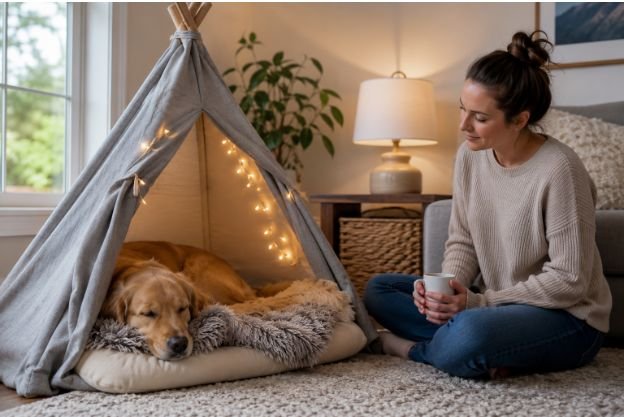
Confidence doesn’t only come from training sessions. It also develops at home.
Every dog benefits from having a quiet retreat where they can relax without interruption. This might be a crate with the door left open, a comfortable bed in a peaceful room, or a favorite corner where they know nobody will disturb them.
Daily routines also play an important role. Regular meal times, predictable walks, and consistent training sessions reduce uncertainty, helping dogs feel more secure in their surroundings.
If you’re working on building your dog’s confidence outdoors, learning how to introduce your dog to unfamiliar environments can make new experiences feel much less overwhelming.
Use Play to Build Confidence
Training isn’t the only way dogs learn to trust themselves.
Puzzle toys, scent games, and simple problem-solving activities encourage dogs to think independently while succeeding at small challenges. Every success gives them another reason to approach new situations with curiosity instead of hesitation.
Short training sessions using reward-based methods also strengthen communication between you and your dog. Over time, that trust becomes one of the strongest tools for preventing fear-based behavior.
Mistakes That Often Make Fear Worse

Even well-meaning owners can accidentally reinforce fear. Some common mistakes include:
- Punishing fearful behavior with yelling or leash corrections.
- Introducing new experiences too quickly.
- Ignoring early body language.
- Expecting immediate progress instead of gradual improvement.
Patience almost always produces better results than pressure.
FAQs: How to Prevent Fear-Based Behaviors in Dogs Before They Become Habits
Can fear-based behavior be prevented completely?
Not always. Every dog reacts differently, but early socialization, positive experiences, and gentle training greatly reduce the chance of long-term fear.
Should I comfort my dog when they’re scared?
Yes. Staying calm and offering reassurance is fine. Avoid rewarding panic, but never punish fear or ignore your dog’s need for security.
How long does confidence training take?
It depends on your dog’s age, history, and personality. Some improve within weeks, while others need several months of consistent practice.
When should I seek professional help?
If your dog regularly growls, lunges, shuts down, or cannot recover after stressful situations, consult a veterinarian or certified behavior professional for personalized guidance.
Confidence Is Built One Good Experience at a Time
Fear doesn’t disappear because a dog is told to be brave. It fades when enough positive experiences replace the scary ones. Every calm introduction, every successful training session, and every moment your dog chooses curiosity over fear helps shape future behavior. Those small victories may not seem dramatic today, but they create lasting confidence over time.
Helping a dog feel safe is one of the most rewarding parts of living with them. The patience you invest today often becomes the confidence they carry for years.