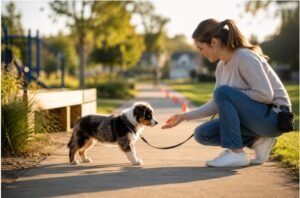
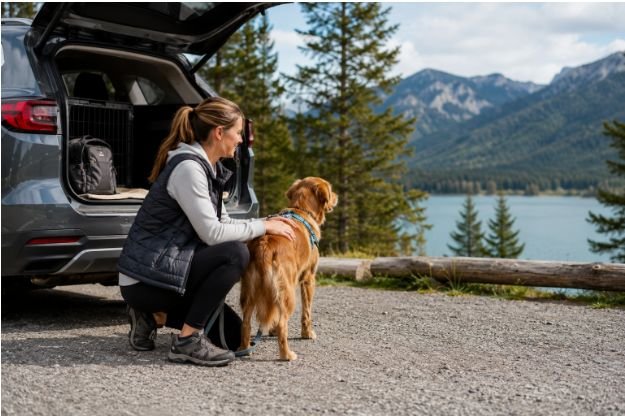
The first time I took a dog into a completely new place, I expected curiosity. Instead, I got hesitation. Every sound seemed louder, every movement caught their attention, and even a simple walk became a stop-and-go adventure. That experience taught me something important. What feels ordinary to us can feel overwhelming to a dog seeing it for the first time.
I’ve also learned that confidence doesn’t happen because a dog is forced into new situations. It grows when they have the chance to explore at their own pace. A little patience, a familiar routine, and plenty of encouragement can turn an unfamiliar environment into a place where your dog feels relaxed instead of anxious.
Why New Places Can Feel Overwhelming
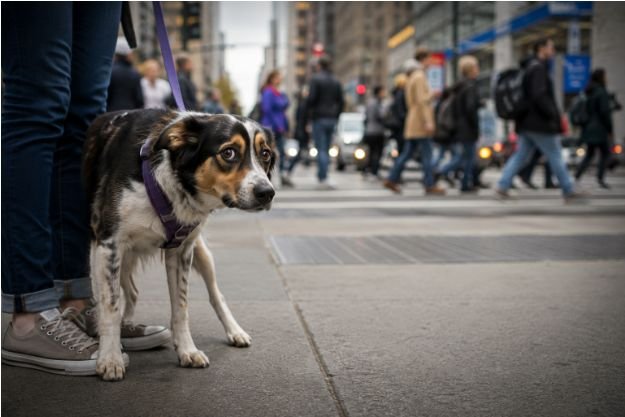
Dogs experience the world through their senses, especially their nose. A new park, neighborhood, friend’s house, or pet-friendly store introduces unfamiliar smells, sounds, people, animals, and surfaces all at once. While some dogs adapt quickly, others need more time to process everything around them.
A nervous reaction doesn’t always mean your dog is fearful. They’re simply gathering information. Giving them the space to observe before expecting them to interact helps build trust and prevents unnecessary stress.
Start Small Instead of Rushing the Process
One of the biggest mistakes owners make is expecting too much too soon. A long outing filled with new experiences can leave a dog feeling mentally exhausted.
Instead, keep the first visit short. Spend just a few minutes letting your dog sniff, look around, and become familiar with the surroundings before heading home. As your dog becomes more comfortable, gradually increase the length of each visit.
This slow approach helps to build a strong bond instead of overwhelming them.
Bring a Piece of Home Along
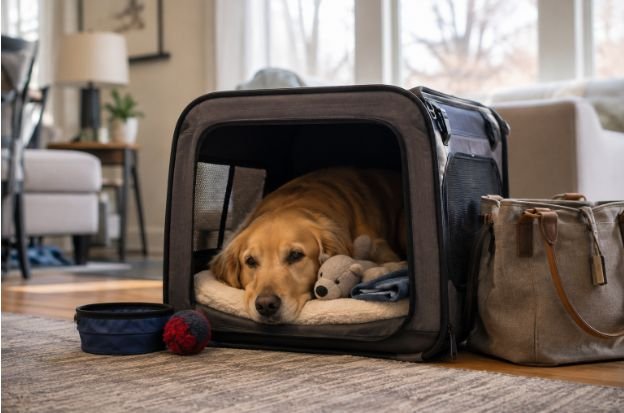
Something as simple as a favorite blanket, toy, or even a shirt that smells like you can make a surprising difference.
Dogs find comfort in familiar scents. Having something recognizable nearby provides reassurance when everything else feels unfamiliar. Many owners notice their dogs settle more quickly when they have access to an object that reminds them of home.
Comfort items won’t solve every problem, but they often make the transition much smoother.
Reward Calm Behavior
Positive reinforcement remains one of the most effective training methods because it helps dogs associate new experiences with good outcomes.
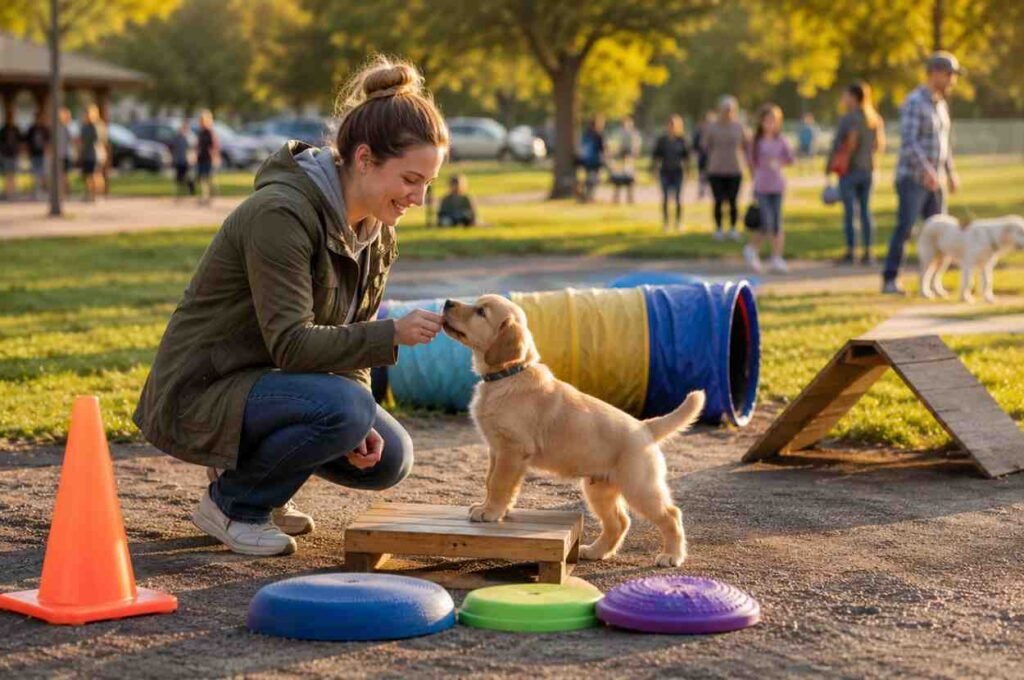
Whenever your dog stays relaxed, chooses to investigate something calmly, or checks in with you instead of reacting nervously, offer praise or a small treat. These rewards teach your dog that staying calm leads to positive experiences.
Try to reward relaxed behavior naturally instead of waiting until your dog becomes anxious. Preventing fear is usually easier than trying to reverse it.
Stick to Your Dog’s Daily Routine
Dogs thrive on consistency. Even if you’re exploring a new location, keeping familiar routines helps reduce uncertainty.
Whenever possible:
- Feed meals at the usual times.
- Keep regular walking schedules.
- Allow normal rest periods.
- Continue familiar bedtime routines.
These predictable moments create stability while your dog adjusts to everything else around them.
Learn to Read Your Dog’s Body Language
Your dog communicates long before barking or pulling on the leash.
Watch for signs such as:
- Frequent lip licking
- Yawning when they’re not tired
- Tucked tail
- Pinned-back ears
- Avoiding eye contact
- Freezing in place
These behaviors often indicate your dog needs more time or a little extra distance from whatever is making them uncomfortable.
Respecting these signals helps prevent fear from becoming panic.
Let Your Dog Explore at Their Own Pace
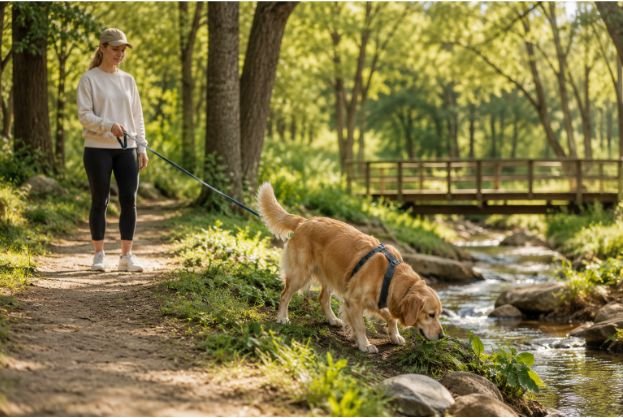
Many owners unintentionally rush introductions by pulling the leash or encouraging interactions too quickly.
Instead, allow your dog to sniff, pause, and observe. Sniffing is how dogs gather information, and giving them time to investigate helps them feel more confident about their surroundings.
If your dog chooses to move away from something unfamiliar, avoid forcing another interaction right away. A little extra patience usually produces much better results.
If you’re working on socialization alongside confidence building, our how to build confidence in a shy dog naturally article explores additional techniques that complement gradual exposure to new environments.
Avoid Sensory Overload
Busy festivals, crowded markets, loud sporting events, or packed dog parks aren’t the best places for first introductions.
Choose quieter environments where your dog can focus without facing dozens of new experiences at once. Once they’re comfortable with smaller challenges, gradually introduce busier locations over time.
Building confidence step by step helps your dog develop resilience without feeling overwhelmed.
Celebrate Progress Instead of Perfection
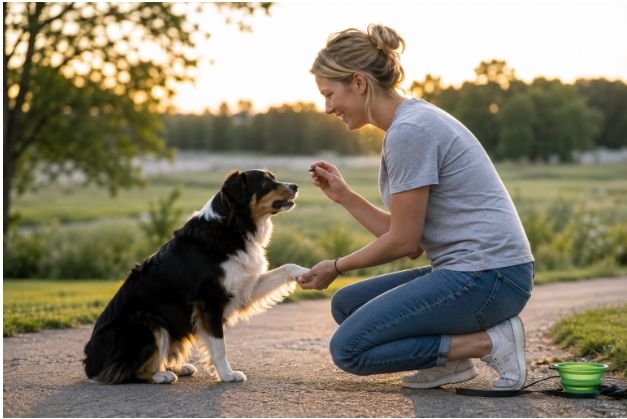
Every dog learns differently. Some happily explore new places within minutes, while others need several visits before they begin to relax.
Comparing your dog’s progress with another pet rarely helps. Focus on small improvements instead. Maybe today your dog walked a little farther, accepted treats in a new place, or remained calm when someone walked past. Those small wins add up much faster than most people expect.
FAQs: How to Introduce Your Dog to Unfamiliar Environments and Help Them Feel Safe
How long does it take a dog to adjust to a new environment?
Every dog is different. Some adapt within a few visits, while others need several weeks of gradual exposure before feeling completely comfortable.
Should I comfort my dog if they’re scared?
Yes. Calm reassurance is helpful, but avoid forcing interactions. Let your dog move at a pace they can handle while rewarding relaxed behavior.
Can treats really help with new experiences?
Absolutely. Treats create positive associations, helping your dog connect unfamiliar places with rewards instead of fear or uncertainty.
What if my dog refuses to move in a new place?
Give them time to observe. Avoid pulling the leash. If they remain uncomfortable, leave and try again another day with a shorter, quieter visit.
Confidence Grows One Experience at a Time
Helping your dog feel comfortable in unfamiliar environments isn’t about removing every challenge. It’s about introducing those challenges in ways that build trust instead of fear. With patience, consistency, and positive experiences, most dogs become more confident every time they step into a new place.
The goal isn’t to make every environment feel familiar overnight. It’s to help your dog believe they can handle whatever comes next.